Ready to find the right home in the Triangle? Let’s talk strategy before you tour a single property.
Schedule My Home ConsultationQuick Takeaways
- Riparian rights decide how you use the water — verify them before you fall for the view, because they don't automatically come with the deed.
- Your dock isn't yours to build on a whim. On Jordan Lake and other federal reservoirs, the U.S. Army Corps of Engineers controls permits and placement.
- Check FEMA flood maps and price the insurance before you write an offer. On the water, that premium can move your monthly payment.
- Order a professional survey and a water-quality report. Water levels shift, property lines get complicated, and lake health drives future value.
I'm Tim Clarke, and I lead the Tim M. Clarke Team here in the Raleigh-Durham Triangle. Over 18 years, I've walked clients across a lot of shorelines — and I've watched people fall in love with a dock and forget to ask who actually controls it. Lakefront living is worth the effort. It also carries a due-diligence list that a landlocked house never will.
This is the guide I give buyers before we ever tour a property. Water rights, dock permits, wells and septic, flood risk, inspections, and the maintenance nobody mentions until they own it. Get these right and the morning coffee on the water is exactly as good as you pictured.
Why Triangle Lakefront Is Worth It — and What It Costs You
The Triangle sits close to some of the best water in the state. Jordan Lake spreads across roughly 14,000 acres a short drive from Raleigh, Durham, and Chapel Hill, so you get the shoreline without giving up the job market that made you move here. Falls Lake, Harris Lake, and the bigger reservoirs on the Virginia line — Lake Gaston and Kerr Lake — round out the options.
Waterfront land is finite. There's only so much shoreline, and steady demand keeps pressure under prices. That's the upside. The trade is a longer, sharper set of questions before you buy, and I'd rather you ask them now than at the closing table.
The Dream You're Buying
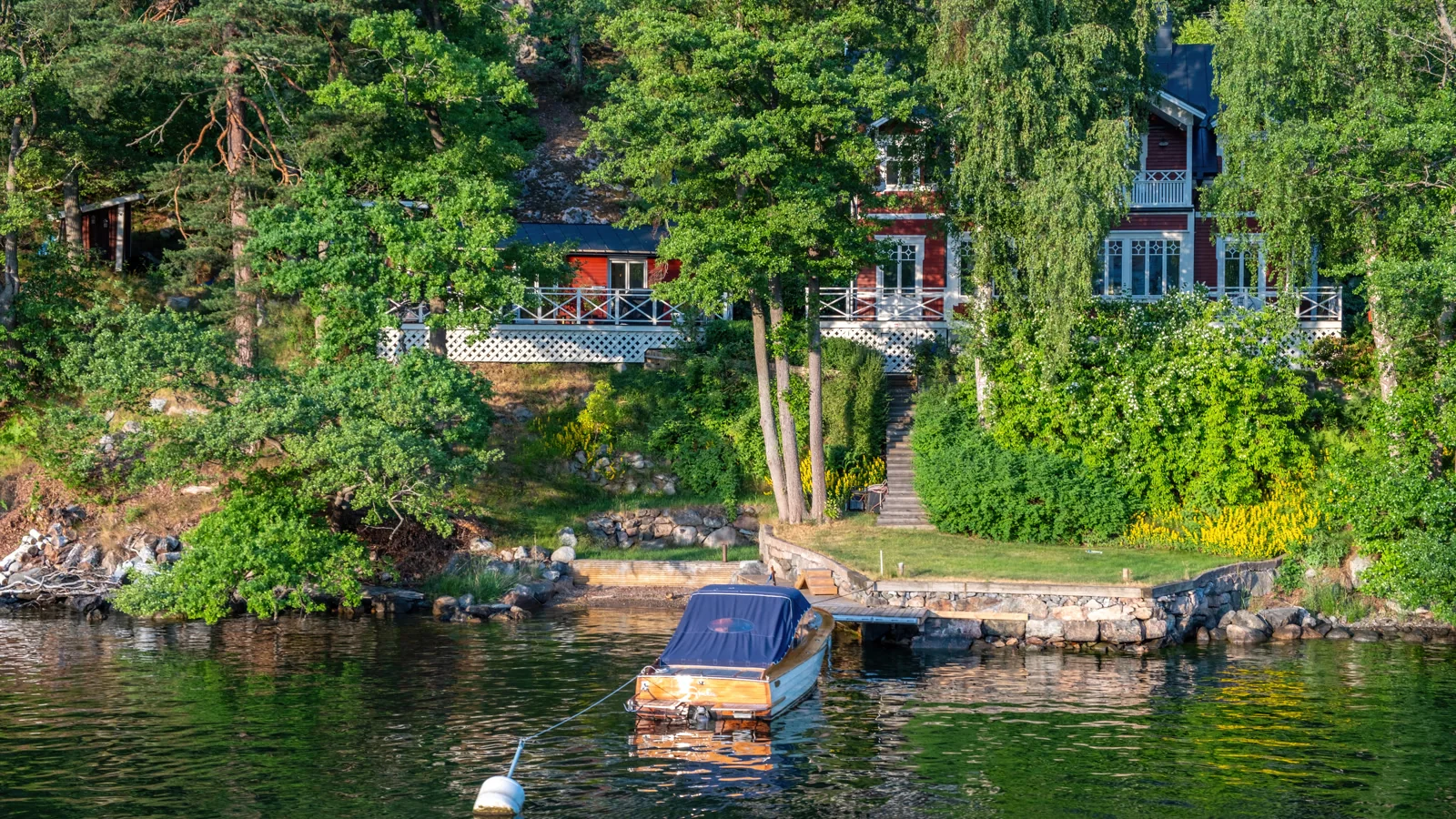
- Waking up to water off your own dock
- Fishing and boating steps from the back door
- Land that holds value because shoreline is limited
- A weekend retreat or a full-time home on the water
What You Must Verify First
- Riparian rights and exactly how you may use the water
- Who issues dock permits on that specific lake
- FEMA flood zone and the insurance it triggers
- Well and septic condition where there's no city utility
Water Access and Rights
Riparian Rights
Riparian rights determine your access to and use of the water, and they're the first thing I check. In North Carolina, these rights generally let property owners reach the water for reasonable use — but "generally" isn't a guarantee. Verify the specific rights tied to the property you're considering. Two lots on the same cove can carry different rights, and the difference shows up the day you want to launch a boat or build a pier.
Dock Permits and Regulations
If you want your own dock, understand the permitting process before you assume it's possible. Different lakes carry different rules for dock construction and placement. On Jordan Lake, you work with the U.S. Army Corps of Engineers, which oversees what goes in the water and where. That approval isn't a formality — it decides whether the dock you're picturing can exist at all.
People fall in love with the view and forget to ask who controls the water in front of it. Ask first.
Environmental and Structural Due Diligence
Flood Zones and Insurance
Flood risk is the number I make every client run before they get attached. Check the FEMA flood maps and understand what they mean for your insurance. Some lakefront areas require additional flood coverage, and that premium can move your total cost of ownership in a way a landlocked buyer never has to think about. Price it into the offer, not after.
Erosion and Shoreline Management
Shoreline erosion is a natural process that reshapes lakefront property over time. Learn the erosion pattern of the specific lake and the rules that govern it. Some lakes, Jordan Lake among them, operate under shoreline management plans that owners must follow — those plans dictate what you can and can't do at the water's edge.
Wells, Septic, and Inspections
Away from municipal lines, many lakefront homes run on a private well and septic system. Both need their own inspection, separate from the standard home inspection. A survey matters more here than almost anywhere else: water levels fluctuate, and property lines around a shoreline get complicated fast. I always have clients order a professional survey to head off boundary disputes before they start. And check recent water-quality reports — the health of the lake is part of what you're buying, and it feeds directly into future value.
Ready to find the right home in the Triangle? Let’s talk strategy before you tour a single property.
Schedule My Home ConsultationZoning, Setbacks, and Building Codes
Waterfront property carries building codes that inland lots don't. Expect limits on the size and height of what you build and how close to the water's edge you can put it. Setbacks are common — on many reservoirs, structures must sit a set distance back from the full pond level, often around 50 feet, though it varies by lake and local rule. If you're buying vacant land to build, confirm the zoning and building regulations before you sign, not after you've drawn plans.
Financing a Lakefront Home
Conventional vs. Specialty Loans
Plenty of lakefront homes finance through a conventional mortgage. Higher-value properties or ones with unusual features sometimes need a jumbo loan or a portfolio loan instead. I work with local lenders who understand waterfront specifically, because a lender who's never underwritten a lake property will slow you down at the worst time.
Down Payment
Plan for a larger down payment. Lenders often want 20 to 30 percent on waterfront, more than a typical inland purchase, because of the unique nature of these homes and the market swings that can come with them. Know that number before you shop so your budget is real.
Owning It: Maintenance and Rental Income
Shoreline and Seasonal Upkeep
Your shoreline needs tending — for the lake's health and your property's value. Rip-rap (rock barriers) and native plantings help control erosion and keep the water clean. Lakes with management plans set specific rules for how you do it. Beyond the shoreline, expect dock upkeep, aquatic plant control, and prep for seasonal water-level changes. It's more work than a standard house, and I make sure clients know the list before they commit, not after.
Short-Term Rental Income
Some owners offset costs by renting the property short-term. Rules vary a lot between lake communities — some areas restrict short-term rentals, others allow them freely. Confirm the local regulation for your exact spot before you count on that income. If you do rent, the features that sell are the concrete ones: a private dock, the view, the fishing.
- Confirm riparian rights. Get in writing exactly how you may access and use the water for this specific lot.
- Verify dock permitting. Find out who controls docks on that lake — the Army Corps of Engineers on Jordan Lake — and whether your dock is even permittable.
- Pull the FEMA flood map. Identify the flood zone and get a real insurance quote before you write the offer.
- Inspect well, septic, and structure. Add well and septic testing to the standard inspection where there's no city utility.
- Order a survey and water-quality report. Nail down the property lines and the lake's health before closing.
- Line up the right financing. Plan for 20 to 30 percent down and a lender who knows waterfront.
Ready to look at the water seriously? My team and I know these Triangle lakes — the rights, the permits, the maintenance realities — and we'll walk you through every check on this list before you commit a dollar. Reach out and let's find the right lakefront property for your goals.
Ready to find the right home in the Triangle? Let’s talk strategy before you tour a single property.
Schedule My Home Consultation