Thinking about selling? I’ll tell you what your property is really worth — no obligation.
Get My Free Home EvaluationAs the founder of the Tim M. Clarke Team, one of the top real estate teams in the Raleigh-Durham Triangle area, I've seen my fair share of home inspections. With 17 years under my belt in this bustling market, I can tell you that a thorough inspection is worth its weight in gold. Let's dive into why these inspections are so crucial in the Tar Heel State.
Understanding the North Carolina Due Diligence Period
What Sets North Carolina Apart
Here in North Carolina, we've got a unique ace up our sleeve: the due diligence period. This isn't just some fancy real estate jargon; it's a game-changer for buyers and sellers alike.
The Nuts and Bolts of Due Diligence
Think of the due diligence period as your golden ticket to really get to know a property inside and out. It typically spans two to four weeks, giving you plenty of time to:
- Schedule a comprehensive home inspection
- Review important documents
- Get a feel for the neighborhood
- Make an informed decision about your purchase
The best part? During this time, you can walk away from the deal for any reason. It's like having a get-out-of-jail-free card in Monopoly, but for real estate.
Why Home Inspections Matter During Due Diligence
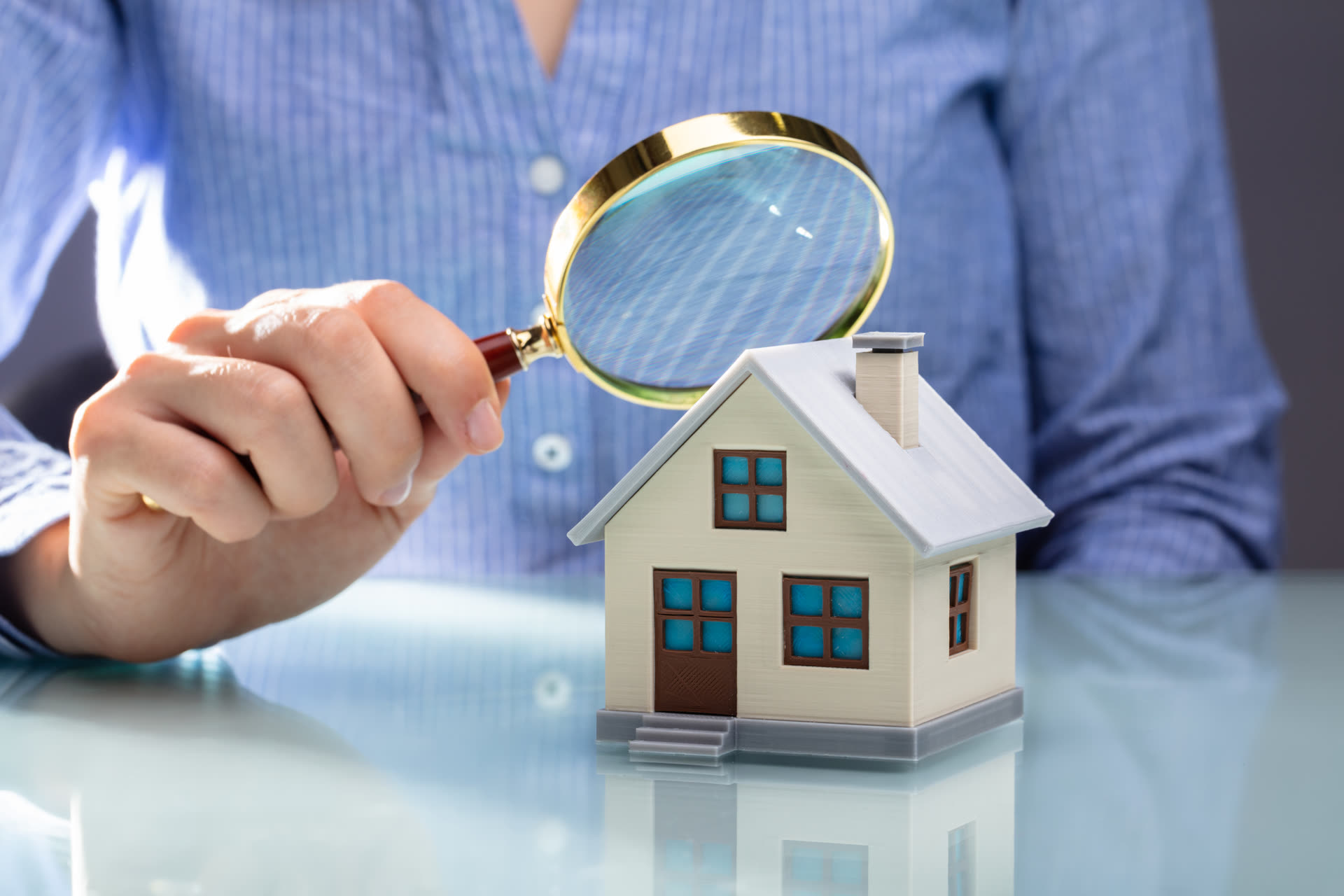
As a real estate agent who's been around the block a few times, I always tell my clients to make the most of this period. Whether you're eyeing a custom-built home in Cary or a charming bungalow in Durham, a thorough inspection can reveal:
- Hidden issues that could cost you big bucks down the road
- Potential safety hazards
- The true condition of major systems like HVAC and plumbing
- Areas that might need some TLC in the near future
The Home Inspection Process: What to Expect
Choosing Your Inspector
First things first: you need a top-notch inspector. In North Carolina, we don't mess around. Home inspectors here must be licensed by the North Carolina Home Inspector Licensure Board. When you're picking your inspector, look for someone who:
- Has a solid reputation in the Triangle area
- Brings years of experience to the table
- Uses the latest technology in their inspections
- Provides clear, detailed reports
The Big Day: Inspection Time
On inspection day, here's what you can expect:
- Duration: The inspection usually takes 2-4 hours, depending on the size and condition of the home.
- Comprehensive Review: Your inspector will leave no stone unturned, examining everything from the roof to the foundation.
- Your Role: I always encourage my clients to be present during the inspection. It's a great chance to learn about your potential new home and ask questions on the spot.
- Report Delivery: Within 24-48 hours, you'll receive a detailed report outlining the inspector's findings.
What's Covered in a North Carolina Home Inspection
A thorough home inspection in the Old North State should cover:
Structural Elements
- Foundation
- Framing
- Roof
Exterior Components
- Siding
- Windows
- Doors
Interior Features
- Walls
- Ceilings
- Floors
- Stairs
Major Systems
- Electrical
- Plumbing
- HVAC
Insulation and Ventilation
- Attic
- Crawl spaces
Fireplaces and Chimneys (if applicable)
Garages and Carports
- Structure
- Door operation
Benefits for Buyers: Knowledge is Power
As a buyer in the Triangle market, a home inspection is your secret weapon. Here's why it's so valuable:
1. Uncovering Hidden Issues
I once had a client whose inspection revealed significant termite damage in a seemingly pristine Chapel Hill home. Without that inspection, they would have been in for a nasty surprise down the road.
2. Negotiation Leverage
If issues are found, you've got cards to play. In a recent Raleigh transaction, my buyers saved $15,000 after the inspection revealed an aging HVAC system.
3. Future Planning
Understanding the home's condition helps you budget for future repairs and maintenance. It's like having a crystal ball for your new home.
4. Peace of Mind
Knowing the true condition of the home allows you to make an informed decision about your purchase. It's the difference between buying with confidence and crossing your fingers.
Thinking about selling? I’ll tell you what your property is really worth — no obligation.
Get My Free Home EvaluationAdvantages for Sellers: Be Proactive, Not Reactive
As a seller in North Carolina, you might be tempted to skip the inspection and hope for the best. But trust me, that's a risky move. Here's why sellers should consider a pre-listing inspection:
1. Address Issues Early
Fix problems before they become deal-breakers. I had a client in Apex who discovered and repaired a minor roof leak before listing, avoiding a major negotiation hurdle later.
2. Accurate Pricing
Knowing your home's true condition helps you price it appropriately. No surprises means smoother negotiations.
3. Transparency Builds Trust
Providing a pre-inspection report to potential buyers demonstrates honesty and can lead to smoother negotiations. It's like laying all your cards on the table.
4. Faster Sales Process
With fewer surprises, you're less likely to face delays or deal with buyers backing out. It's the fast track to closing day.
Navigating Inspection Results: What Comes Next?
Once the inspection is complete, it's time to roll up your sleeves and review the findings. Here's how to approach this crucial step:
1. Read the Report Carefully
Don't just skim the summary. Dive into the details to fully understand the home's condition. It's like studying for a test, but the subject is your potential new home.
2. Prioritize Issues
Not all problems are created equal. Focus on major issues that affect:
- Safety
- Structural integrity
- Expensive systems (like HVAC or plumbing)
3. Consult with Your Agent
As your real estate agent, I can help you understand which issues are typical for homes in the area and which might be deal-breakers. It's like having a translator for home inspection lingo.
4. Develop a Strategy
Decide whether to:
- Request repairs
- Ask for credits
- Adjust your offer based on the findings
Additional Inspections to Consider in North Carolina
While a general home inspection is comprehensive, there are additional specialized inspections that can be valuable in our neck of the woods:
1. Pest and Termite Inspection
Given our humid North Carolina climate, this is crucial. Wood-destroying insects can cause significant damage, and you don't want to be caught off guard.
2. Radon Testing
Radon, a naturally occurring radioactive gas, is present in some areas of North Carolina and can pose health risks. It's odorless and invisible, so testing is the only way to detect it.
3. Mold Inspection
Our climate can be a breeding ground for mold, which can affect air quality and health. If you've got allergies or respiratory issues, this inspection is a must.
4. Chimney Inspection
If the home has a fireplace, a specialized chimney inspection can ensure it's safe to use. Don't let your cozy nights by the fire turn into a hazard.
Thinking about selling? I’ll tell you what your property is really worth — no obligation.
Get My Free Home EvaluationLegal Considerations and Disclosure Requirements
In North Carolina, sellers are required to provide a Residential Property Disclosure Statement. This document asks sellers to disclose known defects in the property. A home inspection can help ensure you're meeting your legal obligations as a seller and protect you from future liability.
As a buyer, the inspection report becomes a valuable legal document. If issues arise after the purchase that were clearly noted in the inspection report, you'll have limited recourse against the seller. It's like having an insurance policy for your home purchase.
Leveraging Technology in Home Inspections
The world of home inspections is evolving, with new technologies making the process more thorough and efficient:
1. Thermal Imaging
Infrared cameras can detect hidden moisture issues or insulation problems. It's like having X-ray vision for your home.
2. Drone Inspections
For hard-to-reach areas like steep roofs or tall chimneys, drones can provide a bird's eye view without putting the inspector at risk.
3. Digital Reports
Modern inspection reports often include photos, videos, and interactive elements for easier understanding. It's like having a multimedia guide to your home's condition.
Maximizing the Value of Your Home Inspection
To get the most out of your home inspection, consider these tips:
1. Attend the Inspection
If possible, be present during the inspection. It's a great opportunity to learn about the home and ask questions on the spot.
2. Ask Questions
Don't be shy about asking the inspector to explain their findings. There's no such thing as a dumb question when it comes to your potential new home.
3. Take Notes
Jot down any concerns or areas you want to revisit later. Your future self will thank you.
4. Follow Up
If the inspector recommends further evaluation by a specialist, take that advice seriously. It could save you from headaches down the road.
Thinking about selling? I’ll tell you what your property is really worth — no obligation.
Get My Free Home EvaluationThe Tim M. Clarke Team Approach to Home Inspections
At the Tim M. Clarke Team, we believe in empowering our clients with knowledge. We work closely with a network of trusted, licensed inspectors across the Triangle area. Our team will:
- Guide you through the inspection process
- Help you interpret the results
- Advise on the best course of action based on the findings
For our clients building custom homes, we take inspections a step further. We recommend phase inspections throughout the construction process to ensure quality at every stage. This proactive approach has helped our clients avoid costly issues and ensure their dream homes are built to the highest standards.
Conclusion: Your Path to a Confident Real Estate Transaction
Home inspections are more than just a routine step in the buying or selling process. They're a powerful tool that can save you money, protect your investment, and give you peace of mind. In the dynamic North Carolina real estate market, knowledge truly is power.
Whether you're a first-time homebuyer in Cary, selling your family home in Durham, or building a custom dream house in Wake Forest, a thorough home inspection is your ally in making informed decisions.
Don't leave your real estate transaction to chance. Partner with the Tim M. Clarke Team to navigate the inspection process with confidence. We're here to ensure you have all the information you need to make the best decisions for your real estate journey in the Triangle area.
Ready to take the next step? Contact the Tim M. Clarke Team today to learn more about how we can help you navigate the home inspection process and achieve your real estate goals in North Carolina. Let's work together to make your next real estate transaction a success!
Frequently Asked Questions about Home Inspections
What's the first step I should take?
The first step is getting pre-approved for a mortgage, so you know your budget before looking at homes. Pre-approval involves having a lender verify your finances.
How does the offer process work?
Your real estate agent will help you submit an offer including the purchase price, proposed closing date, and other terms. The seller can accept, reject, or counter your offer. Negotiation goes back and forth until both parties agree on the terms.
What expenses come with homeownership?
Ongoing costs include your mortgage payment, property taxes, homeowners insurance, HOA fees if applicable, utilities, maintenance, repairs, and improvements over time. Budget accordingly.
What are closing costs?
Closing costs include lender fees, appraisal fees, title insurance, escrow deposits, and other expenses tied to finalizing the purchase. They typically range from 3-5% of the home price.
How do I determine my price range?
Your pre-approval letter will state the mortgage amount you qualify for. Target a price range that fits comfortably within your income, existing debts, and down payment savings.
What down payment do I need?
You can do as little as 3% down with an FHA loan. Conventional loans typically require at least 5% down. The more you put down, the better the loan terms will be.
Should I use a real estate agent?
Yes - agents have essential expertise on the home buying process, local market conditions, negotiation strategies, and ensuring proper paperwork. First-timers especially benefit from having an agent.
How do I find the right home?
Your agent will set up a customized MLS search based on your wish list. They will also proactively look for off-market opportunities and preview homes to ensure they match your criteria.
When should I get a home inspection?
After an offer is accepted, you will arrange for a professional inspection during your due diligence period. Assume you'll need repairs and negotiate accordingly.
How long does the process take?
Expect the entire process to take around 45-60 days from getting pre-approved to closing day. The timeline can vary based on market conditions. Your agent will provide guidance on the process.
Thinking about selling? I’ll tell you what your property is really worth — no obligation.
Get My Free Home EvaluationWatch this on video
The video version of this guide.