Ready to find the right home in the Triangle? Let’s talk strategy before you tour a single property.
Schedule My Home Consultation- The friendly face at the model home works for the builder, not for you — they sell homes at the best price for the builder.
- Builder contracts run long and dense. Your own agent decodes the fine print and negotiates upgrades, incentives, and closing-cost help.
- New homes have issues too. A pre-drywall inspection and a final walk-through catch framing, electrical, plumbing, and HVAC problems before they get sealed behind walls.
- Tell the on-site agent you have your own representation on the first visit — before you say a word about your budget or timeline.
As founder of the Tim M. Clarke Team in Raleigh-Durham, I've walked plenty of buyers through the excitement of a brand-new home. The modern floor plan. The energy-efficient systems. The finishes you get to pick yourself. It's a real pull, and I understand it.
Here's what most buyers miss. When you buy from a builder in North Carolina, the person greeting you at the model home represents the builder. Not you. Over 18 years in the Triangle, I've seen that one fact reshape a deal — so let me show you why your own agent belongs on your side of the table from the first visit.
Why New Construction Pulls Buyers In
The appeal is real
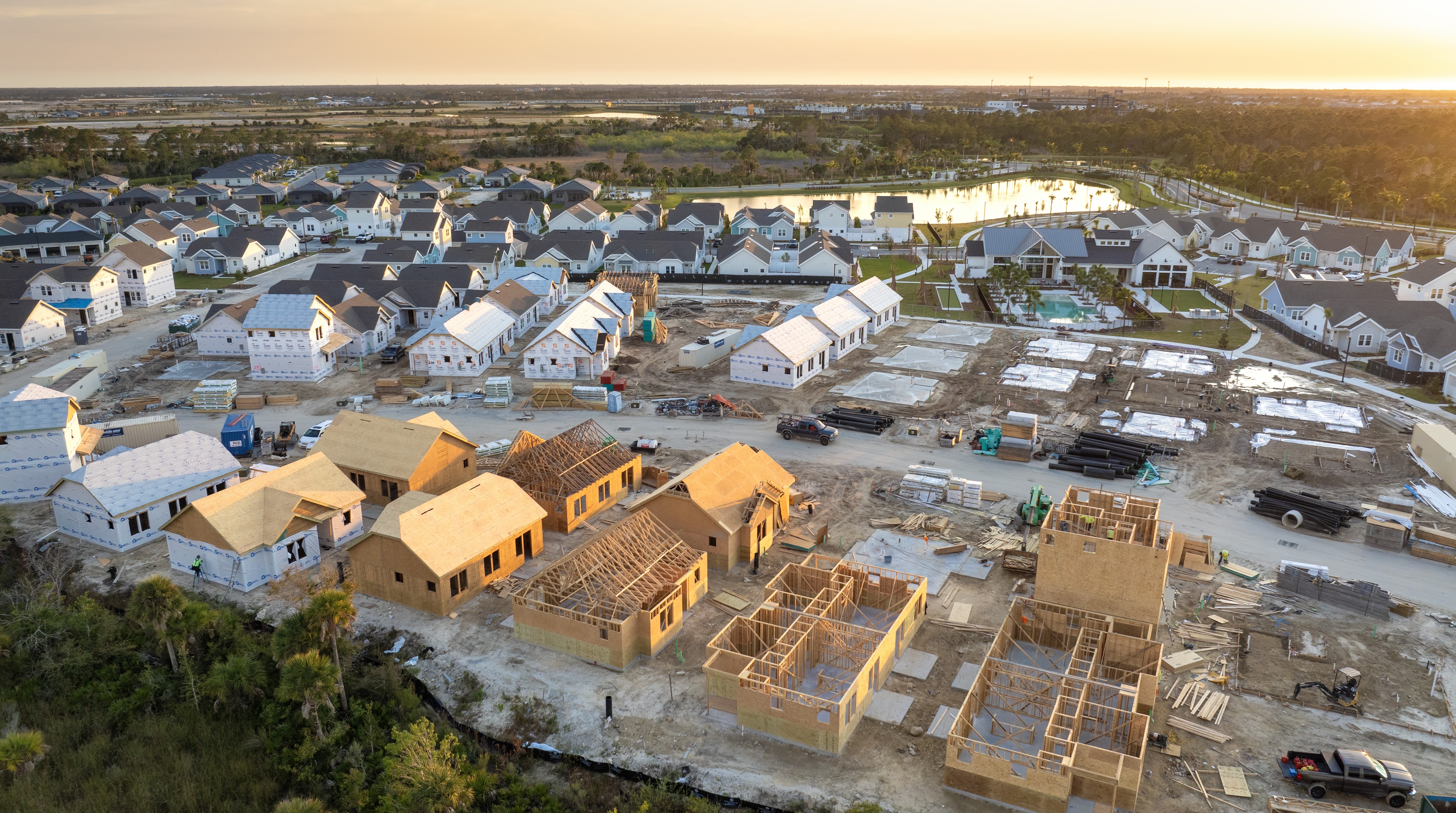
Being the first to live in a home carries weight. New construction gives you modern design, energy-efficient systems, and the chance to shape your own space. Walk into a model home in a new Triangle development and you start imagining your life in it — picking finishes, choosing a lot, standing in a house nobody has ever lived in.
Lower maintenance in the early years is another draw. Brand-new appliances, systems, and structures mean fewer repairs at the start. That's often true. It's not a guarantee. New homes have defects too, and that's exactly where an experienced agent earns their place beside you.
The builder's sales agent has one job
The on-site rep knows the floor plans, the available lots, and every upgrade option cold. Useful information, all of it. But their primary responsibility is to the builder, not to you. Their goal is to sell homes for the builder at the best possible price.
You feel the limits the moment price, upgrades, or a construction concern comes up. The builder's agent can't negotiate against the builder. That's the gap your own agent fills.
The builder's agent works for the builder
- Sells the builder's homes at the highest price the builder can get
- Answers to the builder on price, upgrades, and lot premiums
- Presents the builder's contract as "standard" and "fixed"
- Offers no unbiased advice and no one to negotiate on your behalf
- Has no duty to flag a bad lot, a weak warranty, or a missing contingency
Your agent works for you
- Decodes the builder contract line by line before you sign
- Negotiates upgrades, incentives, premium lots, and closing-cost help
- Runs a comparative market analysis so you don't overpay
- Guides your pre-drywall inspection and final walk-through
- Protects your representation, warranty terms, and contingencies start to finish
What Your Own Agent Does on a Builder Deal
Decoding the contract and negotiating
Builder contracts are long, dense, and full of industry language the average buyer never sees. I've worked through countless new construction contracts and can walk you through the fine print so you know every term before you sign.
Builders like to call their prices "fixed." There's usually room to move, especially on upgrades and incentives. An experienced agent knows which upgrades are worth pursuing and pulls real value your way — closing cost assistance, a premium lot, upgraded finishes.
Builders like to call their prices "fixed." There's usually room to move — especially on upgrades, lot premiums, and closing costs.
Overseeing the build
The pre-drywall inspection lets you see the bones of your home before the walls close up. It's your window into the framing, electrical, plumbing, and HVAC. I guide you through it, point out what needs attention, and make sure concerns get handled before construction moves on.
The final walk-through is where an experienced eye pays off. I've been through hundreds of new home inspections and know what to look for — every promised upgrade installed correctly, every last-minute defect or oversight caught. You move into a home that matches the builder's promises and your expectations.
Market Knowledge, Pricing, and the Right People
Are you paying a fair price
One of the most valuable things I provide is a comparative market analysis. This look at similar Triangle properties makes sure you're paying a fair price. Builders price homes off their costs and profit margins, which don't always match current market value.
I also weigh future resale. You're focused on today's needs, and you should be — but how your home sells in 5, 10, or 15 years matters. Lot location within the development, floor plan popularity, and finish quality all shape long-term value.
Coordinating inspectors and lenders
A new construction purchase pulls in inspectors, lenders, and more. I coordinate those relationships so everyone moves toward the same goal — getting you into the right home.
For inspections, I lean on a network of professionals experienced in newly built homes. They know what a general inspector can miss on new construction. On financing, I work with lenders who specialize in new construction loans and understand the pieces unique to a home that doesn't exist yet — construction-to-permanent loans, extended rate locks.
Ready to find the right home in the Triangle? Let’s talk strategy before you tour a single property.
Schedule My Home ConsultationWhat You Risk Going in Alone
The details that get overlooked
Lot premiums can move the price of your home a lot, and their long-term impact isn't always clear. A lot backing to green space commands a premium today — then future development changes the view and the value.
HOA and community guidelines are another blind spot. These rules reach the color you paint your house and whether an RV can sit in your driveway. I make sure you understand every restriction before you commit.
The protections you miss
Contingencies and clauses protect you, and buyers working directly with a builder skip right past them. An appraisal contingency protects you if the home doesn't appraise for the purchase price. A home sale contingency matters if you have to sell your current home before closing.
Warranty coverage is critical and it varies. New homes come with a builder's warranty, but the terms differ from builder to builder. I help you review yours — what's covered, for how long, and what you must do to keep the coverage in force.
Visiting Model Homes Without Tipping Your Hand
Explore freely, but protect your representation
Go tour the communities. Talk to the on-site agents, build rapport, learn the builder and the community features. These visits are informative and they help you narrow what you want. That part I encourage.
Here's the one piece of advice I give every client: be upfront about working with your own agent from the start. When you arrive, tell the on-site rep something simple — "We're excited to learn more about your homes. Just so you know, we're working with our own agent who represents us in any purchase." If you don't have an agent yet, call us before you discuss your budget or your intentions.
Declaring your agent up front does four things:
- Transparency — it sets clear communication from the first handshake, which always helps in a real estate deal.
- Protecting your representation — it keeps the builder from being tempted to cut the buyer's agent out, which would leave you without an advocate.
- Professional courtesy — it respects the on-site agent's role while clarifying yours.
- Preserving your advocate — your agent is there to protect you through every step and every surprise the transaction throws at you.
The on-site agent works for the builder. They give you good information about the homes and community, but they can't offer unbiased advice or negotiate for you. Tour the inventory homes, ask your questions, gather everything you can — then bring it to your own agent, who turns it into the best terms on your new home.
Choosing the Right Agent for New Construction
Builder experience and local relationships
Look for a proven track record in new construction. An agent who has worked extensively with builders reads the process and heads off problems before they land on you.
Relationships with local builders matter too. Over the years I've built strong connections with builders across the Raleigh-Durham area. Those relationships let me advocate harder for my clients and sometimes surface early word on upcoming developments or special incentives.
Command of the construction process
An agent fluent in building phases helps you read the timeline and know what to expect at each stage — which keeps your move on track and the builder on schedule. Familiarity with the common issues of new construction is just as valuable, whether it's a construction delay, a quality concern, or a last-minute change.
Ready to find the right home in the Triangle? Let’s talk strategy before you tour a single property.
Schedule My Home ConsultationTiming and Upgrades That Actually Pay Off
When to buy
Timing moves the deal. Seasonal cycles play a part — builders negotiate more freely during slower stretches, typically late fall and winter. End-of-quarter pushes add up too, as builders chase sales targets with extra incentives or price flexibility. I track those cycles and tell you when to make your move.
Which upgrades are worth it
Prioritize structural changes that are hard or impossible to add later — extra windows, an expanded room, plumbing roughed in for a future bathroom. Those belong in initial construction.
Then balance upgrades against resale value. It's tempting to go all-out, but some customizations never pay back. I steer you toward the improvements that add to your enjoyment now and still appeal to the next buyer.
| Stage | What your agent does |
|---|---|
| First model home visit | Declares your representation so the builder can't cut your agent out |
| Contract | Decodes the fine print; negotiates price, upgrades, incentives, and closing costs |
| Pre-drywall inspection | Reviews framing, electrical, plumbing, and HVAC before the walls close |
| During the build | Coordinates inspectors and new construction lenders; tracks the schedule |
| Final walk-through | Confirms every promised upgrade and catches last-minute defects |
| Closing and beyond | Reviews warranty terms and keeps protecting your interests |
How to Bring Your Agent In
- Line up your agent before you tour. Pick someone with a real new construction track record and builder relationships in the Triangle.
- Declare your representation on the first visit. Tell the on-site agent you're already working with an agent before you discuss budget or timeline.
- Send your agent the details. Share the floor plans, lots, and upgrade options you gathered so your agent can weigh them.
- Let your agent handle the contract and negotiation. Decode the fine print together and push for upgrades, incentives, and closing-cost help.
- Attend the pre-drywall inspection and final walk-through with your agent. Catch framing, systems, and finish issues before you close.
Frequently Asked Questions
Ready to find the right home in the Triangle? Let’s talk strategy before you tour a single property.
Schedule My Home Consultation