Building or buying new? Let’s make sure the builder’s contract works for you — not just for them.
Schedule a New Construction ConsultationThe 30-second version
- The rep answers to the builder. The friendly person in the model home is licensed to sell that builder's homes and sell them fast — their loyalty sits with the construction company, not with you.
- Information runs one way. They know about coming price changes, open lots, and future plans. They share what moves inventory and hold back what doesn't.
- The contract is written for the builder. New construction agreements are complex and skewed toward the seller. Nobody at the sales office is negotiating those clauses down for you.
- You need your own advocate. I've helped Triangle buyers save thousands on upgrades, closing costs, and terms — because I answer to the buyer and no one else.
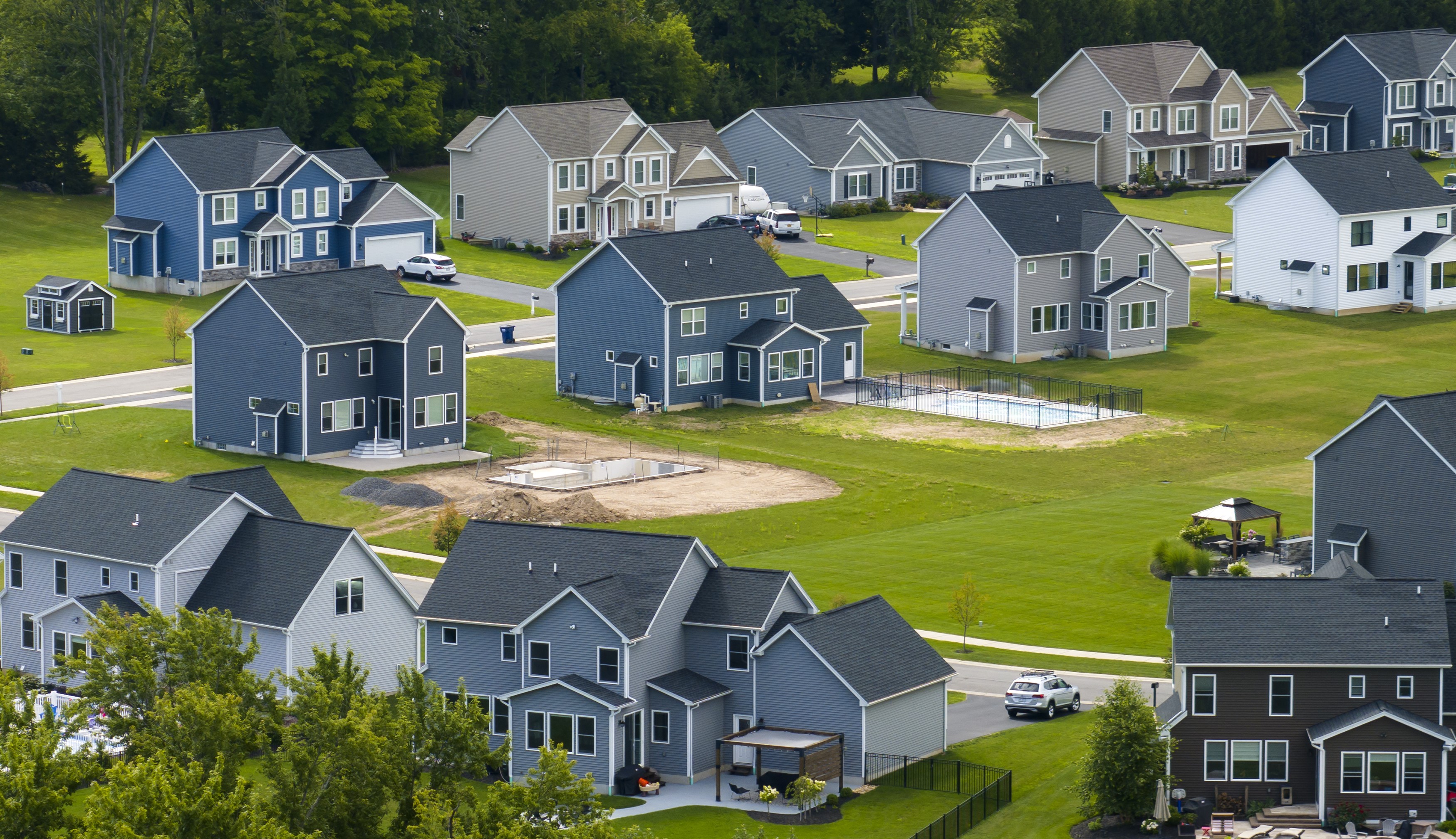
Here's the moment I want you to picture. You walk into a model home in a new Raleigh subdivision, the rep greets you by name, hands you a floor plan, and walks you through upgrades like an old friend. Helpful? Absolutely. On your side? That's a different question — and one most buyers never think to ask.
In my 17+ years across the Raleigh-Durham Triangle, I've watched countless buyers assume the on-site agent is a neutral guide. They're not. They're a paid representative of the builder, and understanding who they answer to is the difference between buying on the builder's terms and buying on yours.
Who the builder's agent actually works for
A licensed rep for the seller, not a neutral guide
A builder's agent is a licensed real estate professional who represents the home builder in new construction sales. Their job is to facilitate sales on the builder's behalf — they're the liaison between the construction company and every buyer who walks through the door.
These agents know the builder's offerings cold: floor plans, upgrade menus, the construction timeline. You'll find them staffing the model home or the sales trailer at a new development. The relationship with the builder is tight. In many cases they're direct employees of the builder or hold an exclusive contract to sell its homes. That structure decides where their loyalty lives — with the builder, not with the person across the table.
The person handing you the floor plan is paid to sell that floor plan. That's not a flaw in the system. That IS the system.
What the rep is actually paid to do
The builder's agent has one primary goal: sell homes, and sell them quickly. They're moving inventory and hitting sales targets the builder sets. That runs straight into what most buyers want — time to think, room to negotiate, space to compare options.
They also manage the builder's inventory and pricing strategy. They know about upcoming price changes, which lots are still open, and where the community is headed. Useful information — if you get it. When a detail doesn't serve the builder's sales goals, there's no obligation to volunteer it.
Two people, two masters: who serves whom
The cleanest way to see the conflict is side by side. Same transaction, two very different jobs.
Who the builder's rep serves
- The builder who employs them or contracts them exclusively
- The builder's sales targets and inventory schedule
- The builder's set pricing and upgrade packages
- Their own commission, which climbs when you spend more
- Bonuses tied to closing deals fast
Who your agent serves
- You, the buyer, and no one else in the deal
- Getting you a better price on upgrades, closing costs, or base price
- Unbiased comparison of builders, communities, and floor plans
- Reviewing the contract and negotiating the clauses down
- Your due diligence, deposit protection, and contingencies
The commission math nobody explains at the sales office
Builder's agents typically earn a commission based on the sale price of the homes they sell. Read that again. The more you spend on premium lots and upgrades, the more they earn — even when those upgrades aren't the smart call for you. Many builders sweeten it further with bonuses for meeting or beating sales targets. Those bonuses get substantial, and they nudge an agent toward closing fast over making sure your home fits your life.
Information asymmetry: what they know that you don't
This is the quiet part. Builder's agents sit on information the public never sees — future development plans, upcoming price moves, known issues with certain lots or floor plans. Ethical agents disclose what's relevant. But there's always a risk that a detail gets left out when sharing it might cost the sale.
I've seen it play out in the Triangle. A rep talks up the coming community pool and clubhouse with real enthusiasm, then goes quiet on the commercial development planned two streets over or the zoning change working through the county. Both facts matter to your purchase. Only one gets volunteered.
The two myths that cost buyers the most
The first myth: the builder's agent is an impartial advisor. Buyers assume they'll hear an even-handed rundown of pros and cons. In reality, that advice tilts toward the builder's interests by design.
The second: the builder's agent will advocate for you. These agents are generally helpful and genuinely informative — that's not the issue. The issue is their duty runs to the builder. They're not positioned to negotiate hard on your behalf or point out the drawbacks of a lot, a floor plan, or the development itself.
Building or buying new? Let’s make sure the builder’s contract works for you — not just for them.
Schedule a New Construction ConsultationWhy your own representation changes the math
What an independent buyer's agent does that the rep can't
A buyer's agent who knows new construction is worth their weight in the negotiation. We understand how builders price and where the give is — on upgrades, on closing costs, sometimes on the base number itself. My team has helped clients save thousands through negotiation the sales office was never going to start on its own.
An independent agent also gives you unbiased advice across builders, communities, and options, plus a read on local market trends so you can judge the long-term value of the buy. That's the vantage point you simply can't get from someone paid to sell one builder's inventory.
The contract is where representation pays for itself
New construction contracts are complex and heavily skewed toward the builder. Your agent reviews the agreement, explains what each clause actually means, and negotiates for terms that protect you — not the seller. We advise on the contingencies that matter, like financing and home-sale contingencies, and make sure your deposit is properly protected.
Due diligence is the other half. A good buyer's agent helps you vet the builder's reputation, review past projects, and arrange independent inspections during construction — before problems get drywalled over.
North Carolina disclosure, in plain terms
Disclosure rules vary by state. In North Carolina, builders are required to provide a written warranty and disclose certain information about the property and the construction process. Builder's agents carry legal and ethical obligations to disclose material facts — but "material facts" leaves room for interpretation. A local agent who knows these rules makes sure you get every required disclosure and asks the questions that surface what a general walkthrough won't. Consumer protection laws also apply to new home purchases, from deposit protection to warranty requirements, and your agent makes sure your contract lines up with them.
How to protect yourself at the model home
You don't have to avoid the sales office. You just have to walk in clear-eyed. Here's the order I'd run it in.
- Name the relationship out loud. Ask the rep directly: do you work for the builder, and can you represent my interests in this deal? Get the answer on the record before anything else.
- Set your expectation. Understand their primary loyalty is to the builder, and treat their advice as a sales conversation — helpful, but not neutral.
- Ask the tough questions anyway. The builder's track record, known issues with similar homes, future plans for the community. A reputable rep will answer honestly or point you to where the answer lives.
- Watch for high pressure. If you're being rushed to sign before you're ready, that's the sales target talking, not your best interest. A new home is a major buy — you never owe anyone a fast yes.
- Demand the paperwork. Specs, warranties, contract terms. Reluctance to hand over documentation is a red flag. Real builders and real agents put it in writing.
- Bring your own agent before you sign. Loop in independent representation early, so someone who answers to you reviews the contract and negotiates the terms.
Buy with your eyes wide open
New construction is one of the most exciting buys you'll make. The builder's agent can hand you real, useful detail about a specific home and community — that's genuinely valuable. Just keep the one fact front of mind: their allegiance is to the builder.
Most builders in the Raleigh-Durham Triangle are used to working with buyer's agents and respect your choice to have one. With an advocate in your corner, you walk in with confidence and walk out with terms that hold up. If you're weighing a new construction home in the Triangle, my team and I will help you read the fine print, price the upgrades honestly, and buy on your terms — reach out for a free consultation.
Building or buying new? Let’s make sure the builder’s contract works for you — not just for them.
Schedule a New Construction ConsultationFrequently Asked Questions
Building or buying new? Let’s make sure the builder’s contract works for you — not just for them.
Schedule a New Construction Consultation