Ready to find the right home in the Triangle? Let’s talk strategy before you tour a single property.
Schedule My Home ConsultationThe 30-second version
- Get your own agent. The builder’s on-site rep works for the builder. A buyer’s agent is your fiduciary, and the builder pays the commission.
- Vet the builder like an investor. Verify the license with the North Carolina Licensing Board for General Contractors and walk their communities that closed 1–2 years ago.
- The pre-drywall inspection is your one shot. Once insulation and drywall go up, the framing, wiring, and ductwork disappear. Inspect before they’re hidden.
- Budget past the base price. Lot premiums, upgrades, closing costs, and a 3–5% contingency fund are all real line items.
I’ve run new-construction purchases across the Raleigh-Durham Triangle for more than 18 years, from production communities in Wake County to custom builds on private lots. A brand-new home is a strong buy. The trap is treating it like a resale — because a new build is a phased project with contract deadlines, and the builder wrote the contract.
This is the checklist I hand my buyers. Work it in order and you protect your earnest money, your rate lock, and the years of value that come after you get the keys.
Why new construction is worth it
You’re the first person to live in the house, and every major system is brand new and under warranty. A 2-10 Home Buyers Warranty covers you from the HVAC to the structure, so you’re not writing a five-figure check for a failed system in year two. Newer homes also hit higher performance standards — a verified HERS Index score, low-E windows, high-SEER HVAC — which shows up on your power bill every month.
The parts that catch people off guard
Delays happen. Supply chains, weather, and subcontractor scheduling all push move-in dates, and a slipped date can blow past your mortgage rate lock. The design center is where budgets run wild — it’s easy to over-buy on upgrades that never come back at resale. And a new lot is dirt: landscaping and hardscaping to meet HOA guidelines is a post-closing cost most buyers forget to budget.
Do the homework before the model home
The work you do before you tour decides how the whole thing goes. Start with a design brief that separates the non-negotiables from the nice-to-haves — a main-floor owner’s suite, a home office, distance to your commute, the school assignment. Then project it 3–5 years out. The floor plan has to still fit you when the family or the job changes.
Vet the builder
In a market this competitive, builder due diligence is the task that matters most. Don’t stop at online reviews.
- Verify the license with the North Carolina Licensing Board for General Contractors.
- Search public records for past litigation.
- Ask for references from recent buyers.
- Walk communities the builder completed 1–2 years ago and see how the work is holding up.
A house that looks perfect on move-in day tells you nothing. A house that’s two years old tells you everything.
Get the money right
The base price is the start, not the number. Budget for lot premiums, which run high for cul-de-sac and conservation-backed sites, and for every upgrade and finish. Then add closing costs — origination fees, title insurance, appraisal, prorated taxes, and HOA capital contributions. On top of that, hold a contingency fund of 3–5% of the purchase price for what you didn’t see coming.
Line up financing first
Pre-approval isn’t optional. It sets your ceiling and tells the builder you’re a serious buyer. Builders push their preferred lender with closing-cost credits attached — take the incentive seriously, but put their Loan Estimate next to an independent broker’s before you commit. For a custom build, ask about a construction-to-permanent loan.
Ready to find the right home in the Triangle? Let’s talk strategy before you tour a single property.
Schedule My Home ConsultationWho is actually on your side
This is the part that costs buyers the most when they get it wrong.
Your buyer’s agent
- Legally your fiduciary
- Commission paid by the builder
- Reads the builder’s purchase agreement line by line
- Negotiates contingency periods and earnest money
- Guides you on zoning, CC&Rs, and code
The builder’s on-site agent
- Fiduciary duty to the builder
- Paid to sell you the builder’s inventory
- Great on floor plans, lots, and amenities
- Not there to protect your interests
- Built-in conflict of interest
Use the on-site agent for what they know — floor plans, available lots, the construction process. Just know whose side they’re on. Your own representation is what balances the table.
Read the contract like it bites
A new-construction purchase agreement is a dense legal document written to favor the builder. Read the property specs, the deposit schedule, the change-order protocol, the timeline, the warranty language, and the default remedies.
Red flags to stop on
- Vague completion dates like “Fall 2024” instead of a firm date.
- A clause letting the builder substitute materials without your written consent.
- Any language waiving your right to independent inspections or legal recourse.
Have a real estate attorney review it before you sign. Not after.
What’s negotiable
The base price on a production home is often firm, but plenty else moves. Push on who pays the owner’s title insurance, ask for a closing-cost credit, and get items like appliances, blinds, or a fencing allowance written into the price. Bring comparable sales data to back every ask, and keep it collaborative — you’re working with this builder for months.
Spend on upgrades that hold value
Put your money into what’s expensive or disruptive to change later — the structural and foundational work.
Prioritize these
- Added square footage and moved interior walls
- Electrical and plumbing rough-ins (floor outlets, EV charging, gas lines)
- High-quality windows and insulation packages
- Kitchen cabinets and countertops
Change later, cheaply
- Custom paint colors
- High-end light fixtures
- Cosmetic finishes you can swap yourself
Ready to find the right home in the Triangle? Let’s talk strategy before you tour a single property.
Schedule My Home ConsultationInspect while you still can
The pre-drywall inspection
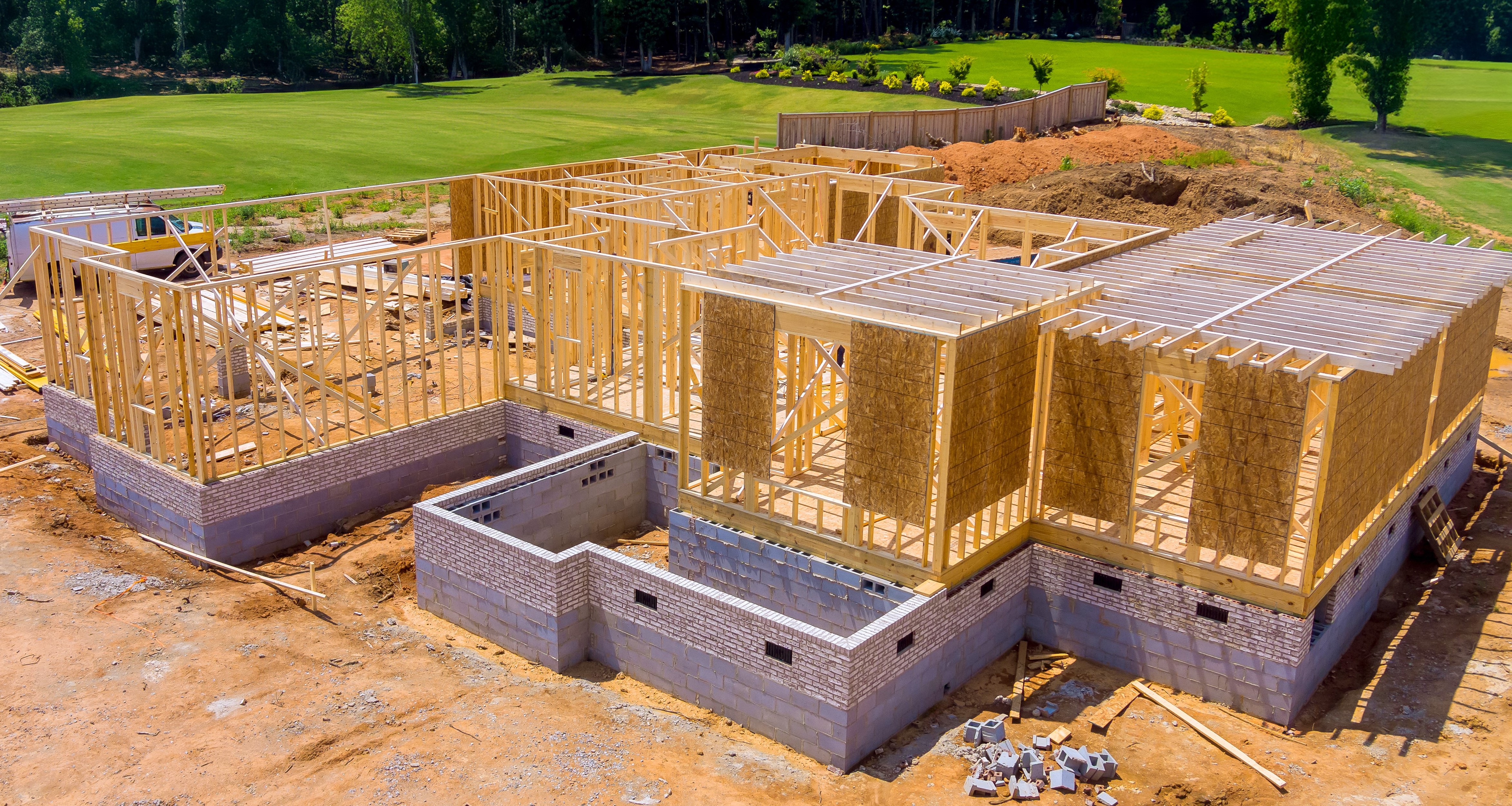
This is the most important inspection you’ll run, because it’s the only time you can see the bones — framing, electrical wiring, plumbing lines, HVAC ductwork — before insulation and drywall hide them. Your independent inspector confirms everything is to code and matches your blueprints, down to proper flashing and structural header installation. Find a defect, photograph it, and hand it to the site supervisor that day. Fixing framing now is cheap. Fixing it after the walls close means demolition.
The final walk-through
Walk the finished home with your agent and a third-party inspector and build a punch list — every item that’s damaged, incomplete, or not working, from paint flaws to a dead appliance. Be exhaustive, because your leverage drops the moment you close. Don’t close until the list is done. If parts are backordered, get a written post-closing repair agreement with builder funds held in escrow by the closing attorney.
Closing and the years after
Before the closing appointment, you and your attorney review the full package: the Closing Disclosure compared line by line to your last Loan Estimate, the ALTA Settlement Statement, and the deed. The builder must deliver a Certificate of Occupancy from the municipality. Without it, the home isn’t legally habitable and you can’t close.
Know your warranty windows
| Coverage | Typical term |
|---|---|
| Workmanship | 1 year |
| Systems (plumbing, electrical) | 2 years |
| Major structural defects | 10 years |
Learn the claims process and keep up your maintenance — skipping required upkeep can void coverage. Even a new home needs it: a seasonal schedule for HVAC filters, gutters, smoke detectors, and exterior caulking keeps the house and the warranty intact.
My take after 17+ years
Stay an active participant through every phase. Ask the pointed questions, visit the site with your plans in hand, and document the progress — that’s how you catch a deviation while it’s still cheap to fix. Spend like an investor: fund the structure and core systems first, because those hold value. The builder’s agent answers to the builder, so your own representation isn’t a luxury. If you’re looking at new construction in the Triangle, my team and I will walk it with you start to finish.
- Write your design briefSeparate non-negotiables from nice-to-haves and project your needs 3–5 years out.
- Vet the builderVerify the NC Licensing Board for General Contractors, check litigation, get references, walk their 1–2-year-old communities.
- Build the full budgetLot premiums, upgrades, closing costs, and a 3–5% contingency fund.
- Get pre-approvedCompare the builder’s preferred-lender Loan Estimate against an independent broker; ask about construction-to-permanent loans.
- Hire your own buyer’s agentYour fiduciary, paid by the builder, to read the contract and negotiate terms.
- Review the purchase agreementHave a real estate attorney read it and flag vague dates, material substitutions, or waived inspection rights.
- Prioritize structural upgradesSquare footage, rough-ins, windows, and insulation over paint and fixtures.
- Run the pre-drywall inspectionIndependent inspector checks framing, wiring, plumbing, and ductwork against your plans before walls close.
- Complete the final walk-throughBuild an exhaustive punch list; hold funds in escrow for anything unfinished.
- Review closing documentsClosing Disclosure vs. Loan Estimate, ALTA statement, deed, and the Certificate of Occupancy.
- Set up warranty and maintenanceLearn the 1/2/10-year coverage and start a seasonal upkeep schedule.
Ready to find the right home in the Triangle? Let’s talk strategy before you tour a single property.
Schedule My Home Consultation