Ready to find the right home in the Triangle? Let’s talk strategy before you tour a single property.
Schedule My Home ConsultationAs the founder of the Tim M. Clarke Team, one of the top real estate teams in the Raleigh-Durham market specializing in custom home building, I've guided countless clients through the exciting journey of purchasing new construction homes. Over my 17 years in the industry, I've learned that asking the right questions can make all the difference in ensuring a smooth and satisfying home-buying experience. In this article, I'll share the essential questions every buyer should ask when considering new construction, drawing from my extensive experience in the Triangle area of North Carolina.
Introduction to New Construction Home Buying
Embarking on the journey of purchasing a newly constructed home can be both exciting and daunting. To help navigate this process, we've created a comprehensive Buyer's Checklist for new construction homes. This guide will walk you through the essential steps and considerations, from selecting a reputable builder to understanding warranties and inspections.
The Appeal of New Construction Homes
New construction homes have an undeniable allure. They offer buyers the opportunity to be the first to live in a space, customized to their preferences and equipped with the latest amenities. As a real estate agent who's worked closely with many custom home builders, I've seen firsthand the excitement that comes with choosing every detail of your new home.
Fresh Design and Modern Amenities
One of the biggest draws of new construction is the fresh design and modern amenities. When you walk into a newly built home, you're greeted by the latest in architectural trends and home technology. From open floor plans to smart home features, new construction offers a level of modernity that's hard to find in older homes.
Many of my clients in the Raleigh-Durham area are particularly drawn to the energy-efficient features of new homes. ENERGY STAR appliances, LED lighting, and advanced HVAC systems not only reduce utility bills but also contribute to a more comfortable living environment.
Energy Efficiency and Smart Home Features
Speaking of energy efficiency, it's one of the standout features of new construction homes. Solar panels, double-pane windows, and improved insulation are just a few examples of how modern homes are built with energy conservation in mind. These features not only help the environment but can also lead to significant savings on energy bills over time.
Smart home technology is another area where new construction shines. Many of the homes we deal with in the Triangle area come pre-wired for home automation systems, allowing buyers to control everything from their thermostat to their security system with the touch of a button or a voice command.
Unique Considerations for New Construction
While the benefits of new construction are numerous, there are unique considerations that buyers need to keep in mind. As your real estate agent, it's my job to help you navigate these considerations to ensure you're making an informed decision.
The Building Process Timeline
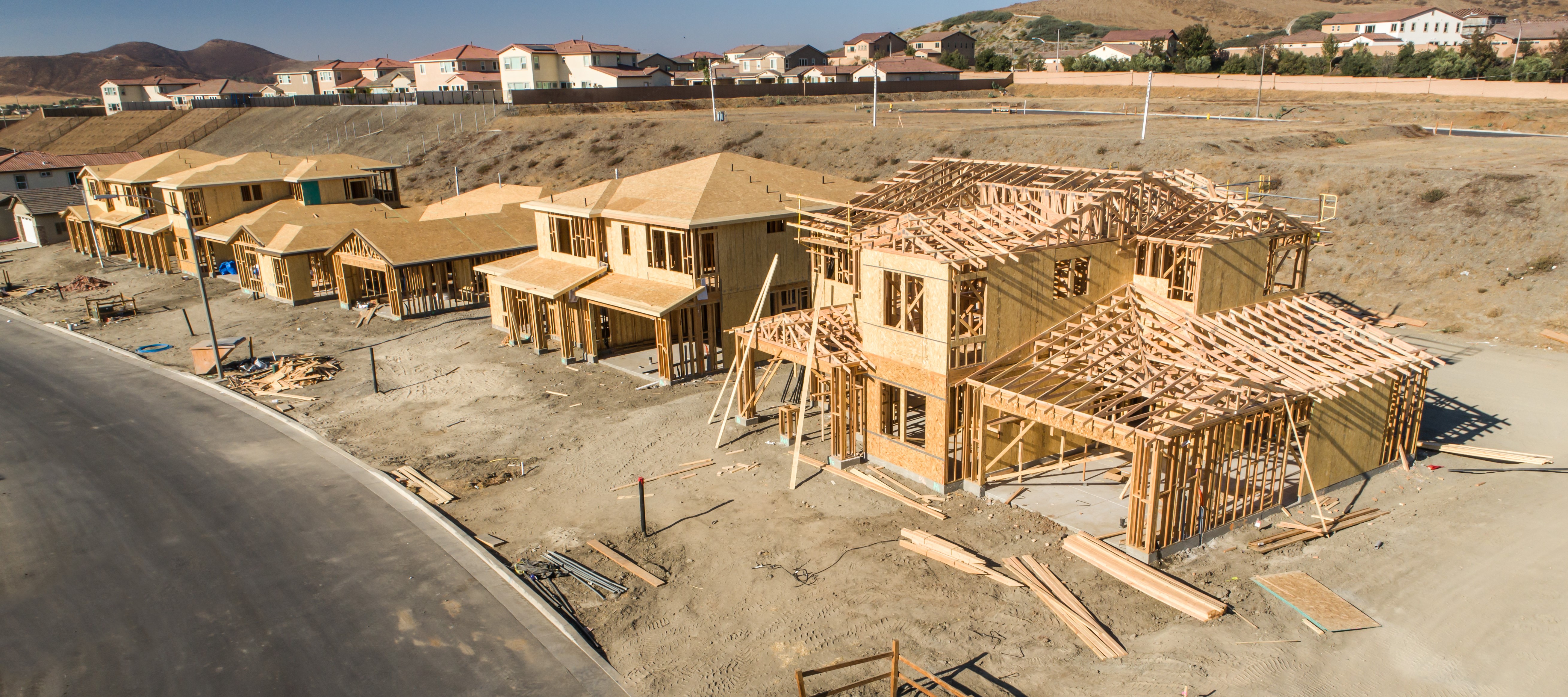
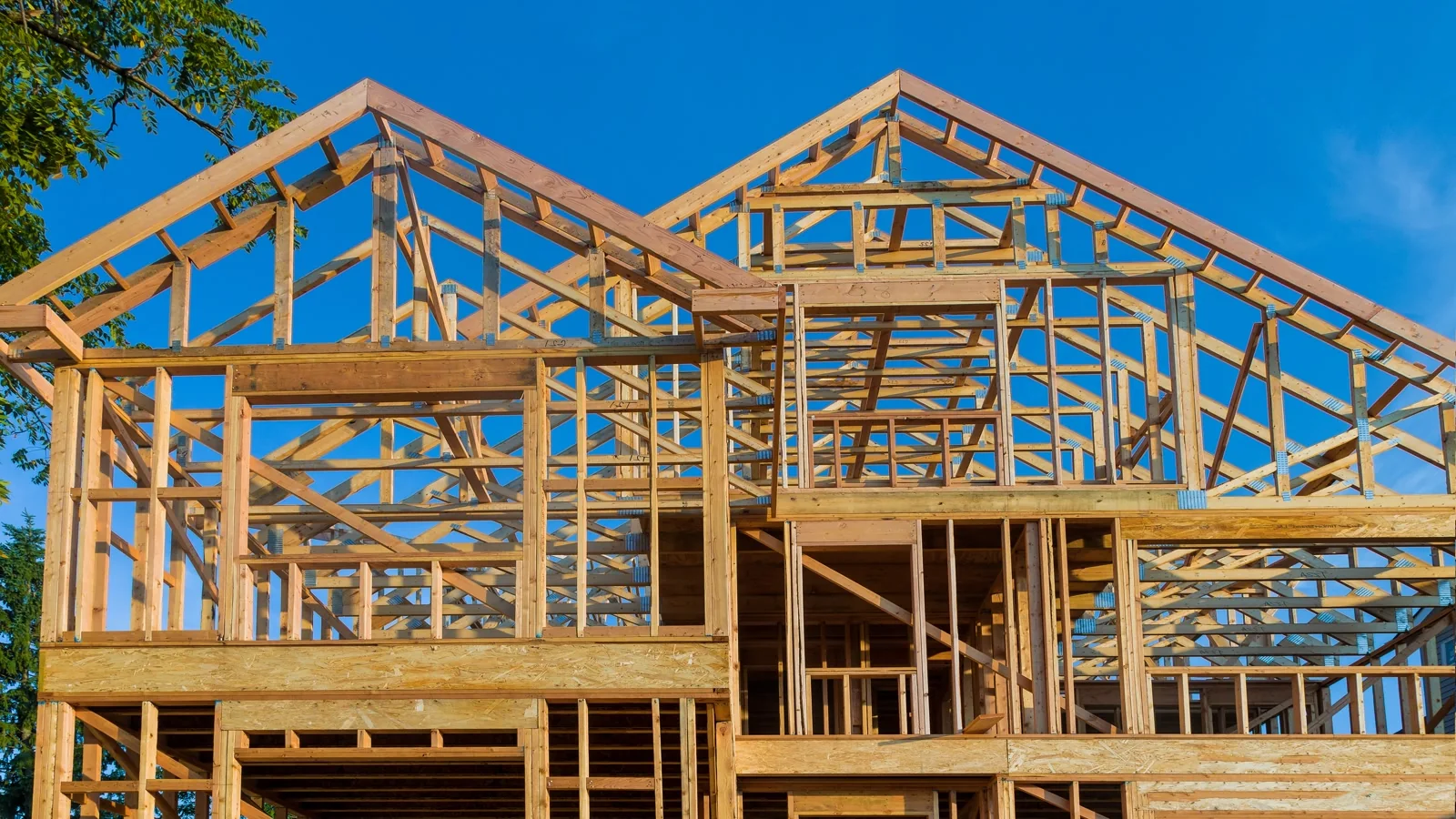
One of the first questions I always encourage my clients to ask is about the building process timeline. Unlike buying an existing home, where you can often move in within a month or two of making an offer, new construction can take anywhere from several months to over a year to complete.
Understanding this timeline is crucial for planning purposes. You'll need to consider factors like your current living situation, any lease agreements you might have, and potential bridge loans if you're selling an existing home to finance your new construction purchase.
Customization Options and Limitations
Another unique aspect of new construction is the ability to customize your home. However, it's important to understand both the options and limitations of this customization. While some builders offer a wide range of choices for everything from flooring to fixtures, others may have more limited options.
I always advise my clients to get a clear understanding of what can be customized and what comes standard with the home. This can help avoid disappointment down the line and ensure that your new home truly reflects your personal style and needs.
Essential Questions About the Builder
Builder's Reputation and Experience
When it comes to new construction, the quality of your home is only as good as the builder behind it. That's why I always stress the importance of thoroughly vetting the builder before making any commitments.
How long has the builder been in business?
This is a crucial question that can give you insight into the builder's stability and experience. A builder who has been in business for many years has likely weathered economic ups and downs and has a track record of completing projects successfully.
In the Raleigh-Durham area, we're fortunate to have many reputable builders with decades of experience. However, don't automatically discount newer builders. Some may bring fresh ideas and innovative techniques to the table. The key is to do your due diligence and research their background thoroughly.
Can I see examples of their completed projects?
Nothing speaks louder than a builder's past work. Asking to see completed projects allows you to assess the quality of their craftsmanship firsthand. Many builders have model homes you can tour, which can give you a good idea of their style and attention to detail.
I often accompany my clients on these tours, pointing out both the positive features and any potential areas of concern. It's also a good idea to drive by some of the builder's completed communities to see how well they've held up over time.
Financial Stability and Warranties
What type of warranty does the builder offer?
A builder's warranty is a crucial safeguard for your investment. Most reputable builders offer a 1-2-10 warranty, which typically covers workmanship for one year, systems for two years, and structural elements for ten years.
However, the specifics can vary, so it's important to get all the details in writing. I always advise my clients to read the warranty carefully and ask questions about anything that's unclear. Remember, a good warranty can save you thousands of dollars in potential repair costs down the line.
Is the builder financially stable to complete the project?
This might seem like an awkward question to ask, but it's an important one. A builder's financial stability can directly impact their ability to complete your home on time and to the agreed-upon specifications.
You can research a builder's financial health by checking their credit rating, looking for any liens or judgments against them, and even asking for bank references. Don't be shy about asking these questions – a reputable builder will understand your need for reassurance and should be willing to provide this information.
Understanding the Construction Process
Timeline and Milestones
What is the expected completion date?
Getting a clear timeline for your home's completion is crucial for planning your move and managing your expectations. Keep in mind that construction timelines can be affected by factors outside the builder's control, such as weather or supply chain issues.
I always advise my clients to build in a buffer of a few weeks to a month beyond the expected completion date. This can help alleviate stress if there are any unexpected delays.
Can I visit the site during construction?
Most builders allow periodic site visits during construction, but the frequency and timing of these visits can vary. Some builders schedule formal walk-throughs at key stages of construction, while others may be more flexible.
These visits are important opportunities to see the progress of your home and potentially catch any issues early. However, it's crucial to respect the builder's policies and safety regulations during these visits.
Materials and Quality Control
What materials are being used in construction?
Understanding the materials being used in your home's construction can give you insight into its durability and quality. Don't be afraid to ask specific questions about everything from the foundation materials to the roofing shingles.
In the Raleigh-Durham area, we often deal with specific considerations like hurricane-resistant construction and energy-efficient materials. I make sure my clients understand how these materials can impact their home's long-term performance and value.
How does the builder ensure quality throughout the process?
Quality control is a critical aspect of new construction. Ask about the builder's inspection process and whether they use third-party inspectors in addition to the required municipal inspections.
Many reputable builders have their own quality assurance programs. Understanding these processes can give you peace of mind that your home is being built to high standards.
Ready to find the right home in the Triangle? Let’s talk strategy before you tour a single property.
Schedule My Home ConsultationNavigating Contracts and Legal Considerations
The Role of the Builder's On-Site Agent
What is the on-site agent's relationship with the builder?
It's important to understand that the on-site agent at a new construction development typically works for the builder, not for you as the buyer. While they can be a valuable source of information about the homes and the community, their primary loyalty is to the builder.
This is why I always recommend that buyers have their own representation, even when purchasing new construction. As your agent, I can help you navigate the process and ensure your interests are protected.
How can I ensure my interests are represented?
Having your own real estate agent and legal representation is crucial when buying new construction. As your agent, I can help you understand the contract, negotiate on your behalf, and ensure that all your questions are answered satisfactorily.
Remember, the cost of buyer representation is typically covered by the builder, so there's no financial downside to having your own agent.
The Importance of Legal Representation
Do I need my own attorney to review the contract?
While it's not always required, having an attorney review your new construction purchase contract can be a wise investment. New construction contracts can be arbitrary and complex, with many clauses and contingencies that may not be immediately apparent to the untrained eye.
An experienced real estate attorney can help ensure that the contract protects your interests and that you fully understand all of its terms and conditions.
What are the potential pitfalls of not having legal representation?
Without proper legal representation, you might miss important details in the contract that could have significant implications down the line. This could include things like arbitration clauses, limitations on your ability to sue for construction defects, or unfavorable terms regarding change orders or completion timelines.
I've seen cases where buyers have faced significant challenges because they didn't fully understand their contract. That's why I always recommend at least having a legal professional review the documents before signing.
Financial Considerations and Incentives
Pricing and Potential Additional Costs
Are there any hidden costs or fees?
When budgeting for a new construction home, it's important to look beyond the base price. There can be numerous additional costs that buyers might not initially consider.
These can include things like landscaping, window treatments, or upgraded finishes. I always advise my clients to get a detailed breakdown of what's included in the base price and what will cost extra.
How are upgrades and changes priced?
Upgrades can significantly impact the final price of your home. It's important to understand how these are priced and whether there's any room for negotiation.
Some builders have a fixed price list for upgrades, while others may be more flexible. Understanding this pricing structure can help you make informed decisions about which upgrades are worth the investment.
Financing Options and Builder Incentives
Does the builder offer any financing programs?
Many builders have preferred lenders or even their own mortgage companies. These can sometimes offer competitive rates or special incentives for using their services.
However, it's important to shop around and compare these offers with other lenders. As your agent, I can help you understand the pros and cons of different financing options.
Are there any incentives for using the builder's preferred lender?
Builders often offer incentives for using their preferred lender, which can include things like closing cost assistance or upgrades to the home. While these can be attractive, it's important to weigh them against potentially better loan terms from other lenders.
I always advise my clients to get loan estimates from multiple lenders, including the builder's preferred lender, to ensure they're getting the best overall deal.
Builder Incentive Comparison
Price cut, closing credit, rate buydown, upgrades: the calculator lines up two or three written offers on the same horizon.
Open the comparison →Community and Neighborhood Development
Future Plans for the Area
What are the long-term development plans for the community?
Understanding the future plans for the community can give you insight into how your property value might change over time. Ask about plans for additional phases of development, community amenities, or commercial areas.
In the Raleigh-Durham area, we've seen rapid growth in many communities. Knowing what's planned can help you anticipate how your neighborhood might evolve in the coming years.
Are there any upcoming infrastructure projects?
Infrastructure projects like new roads, schools, or public transportation can significantly impact property values and quality of life. Ask about any planned projects in the area and their expected timelines.
This information can help you make a more informed decision about the long-term potential of your investment.
Homeowners Association (HOA) Details
What are the HOA fees and what do they cover?
Many new construction communities have Homeowners Associations (HOAs). It's important to understand the fees associated with these and what services they cover.
Ask for a copy of the HOA bylaws and review them carefully. These will outline the rules and regulations of the community, which can impact everything from the color you can paint your house to whether you can park a boat in your driveway.
When will control of the HOA transfer from the builder to the homeowners?
In new communities, the builder often retains control of the HOA initially. Understanding when and how this control will transfer to the homeowners can give you insight into how the community will be managed in the future.
This transition can have implications for everything from maintenance of common areas to potential changes in HOA fees.
Ready to find the right home in the Triangle? Let’s talk strategy before you tour a single property.
Schedule My Home ConsultationCustomization and Design Options
Available Upgrades and Modifications
What customization options are available?
One of the exciting aspects of new construction is the ability to customize your home. However, the extent of customization can vary widely between builders.
Some builders offer a wide range of options for everything from flooring to fixtures, while others may have more limited choices. Understanding your options upfront can help you plan your budget and ensure your new home meets your expectations.
Are there deadlines for making design decisions?
Builders typically have deadlines for making design decisions to keep the construction process on schedule. Missing these deadlines can result in delays or even additional costs.
I always advise my clients to start thinking about their design preferences early in the process to avoid feeling rushed when it comes time to make decisions.
Energy Efficiency and Smart Home Features
What energy-efficient features are included?
Energy efficiency is a key consideration for many buyers, both for environmental reasons and potential cost savings. Ask about features like Energy Star appliances, high-efficiency HVAC systems, and insulation ratings.
In the Raleigh-Durham area, where we experience both hot summers and chilly winters, energy efficiency can have a significant impact on your comfort and utility bills.
Can smart home technology be integrated into the build?
Smart home technology is becoming increasingly popular, and many builders now offer options for integrating these features during construction. This can include things like smart thermostats, security systems, or whole-home automation.
Understanding what's available and the cost implications can help you make informed decisions about which smart features to include in your new home.
Post-Construction Support and Warranty
Warranty Coverage and Duration
What does the warranty cover and for how long?
A comprehensive warranty is one of the key advantages of buying new construction. Most builders offer a warranty that covers different aspects of the home for varying lengths of time.
Typically, you'll see coverage for workmanship and materials for one year, systems (like plumbing and electrical) for two years, and structural elements for ten years. However, the specifics can vary, so it's important to get all the details in writing.
How are warranty claims handled?
Understanding the process for making a warranty claim is just as important as knowing what's covered. Ask about the procedure for reporting issues and how quickly you can expect a response.
Some builders have dedicated warranty departments, while others may handle claims through their customer service team. Knowing who to contact and what to expect can make the process much smoother if you do encounter any issues.
Post-Move-In Support
Is there a dedicated customer service team for new homeowners?
The level of support you receive after moving in can significantly impact your satisfaction with your new home. Ask about the builder's customer service team and their availability.
Some builders offer 24/7 support for emergencies, while others may have more limited hours. Understanding what to expect can help you plan accordingly.
How are post-construction issues addressed?
Even with the best builders, it's not uncommon to have some minor issues that need addressing after you move in. Understanding how these will be handled can give you peace of mind.
Ask about the builder's policy for addressing these issues. Do they have a dedicated team for post-construction fixes? How quickly can you expect a response? Getting clarity on these points can help set realistic expectations for your post-move-in experience.
Making an Informed Decision
As we've explored throughout this article, buying a new construction home involves a unique set of considerations and questions. From understanding the builder's reputation to navigating the customization process, each step requires careful thought and due diligence.
As a real estate professional with extensive experience in the Raleigh-Durham market, I've seen firsthand how asking the right questions can lead to a smoother, more satisfying home-buying experience. Remember, while the builder's on-site agent can provide valuable information, having your own representation ensures your interests are protected throughout the process.
When considering a new construction home, take the time to thoroughly research the builder, understand the contract details, and clarify all aspects of the construction process. Don't hesitate to ask about everything from warranty coverage to post-move-in support. Your diligence at this stage can save you potential headaches down the road and contribute to your long-term satisfaction with your new home.
The Triangle area of North Carolina offers a wealth of opportunities in new construction, with communities that cater to a variety of lifestyles and preferences. Whether you're drawn to the bustling tech scene of Research Triangle Park or the charming small-town feel of Wake Forest, there's likely a new construction option that fits your needs.
As you embark on your new construction journey, remember that you don't have to navigate this process alone. Working with an experienced real estate agent who specializes in new construction can provide invaluable guidance and support. We can help you ask the right questions, understand the nuances of builder contracts, and ensure that your new home meets all your expectations.
Ready to find the right home in the Triangle? Let’s talk strategy before you tour a single property.
Schedule My Home ConsultationLet's Start The Conversation
Are you considering a new construction home in the Raleigh-Durham area? Don't leave your dream home to chance. Reach out to the Tim M. Clarke Team today for expert guidance throughout your new construction journey. With our deep knowledge of the local market and extensive experience in custom home building, we're here to ensure you make an informed decision and secure the best possible outcome for your new home purchase. Contact us now to schedule a consultation and take the first step towards your dream home. Let's work together to turn your new construction vision into reality!
Remember, buying a new construction home is an exciting adventure, but it's also a significant investment. By asking the right questions and working with experienced professionals, you can navigate this process with confidence and excitement. Your perfect new home is out there, and we're here to help you find it. Don't wait – start your new construction journey today!
Ready to find the right home in the Triangle? Let’s talk strategy before you tour a single property.
Schedule My Home Consultation