
Ready to find the right home in the Triangle? Let’s talk strategy before you tour a single property.
Schedule My Home ConsultationAs founder of the one of the hardest working real estate teams in the Raleigh-Durham Triangle area, I've helped countless families navigate the complexities of relocating. Whether you're moving across town or across the country to our beautiful North Carolina, this comprehensive guide will walk you through every step of the process.
Let's dive into the essentials of packing and moving, ensuring your transition is as smooth as possible.
Planning Your Move: The Foundation of a Smooth Transition
Begin Ahead of Time
To maximize efficiency and minimize stress, it's wise to start the moving process several weeks in advance. By starting early, you grant yourself the invaluable luxury of time, allowing for a more organized and relaxed experience throughout the entire move. Beginning preparations well ahead of the moving day lets you meticulously plan and execute each step, from decluttering and packing to coordinating logistics and scheduling professional help if needed.
This proactive approach allows you to methodically tackle each task, preventing last-minute rushes and ensuring a smoother transition to your new home. Prioritizing an early start empowers you to stay calm, maintain control over the process, and handle unexpected challenges with ease, ultimately resulting in a more pleasant and successful move.
Creating a Moving Timeline
The key to a stress-free move is a well-structured timeline. Let's break it down:
Two Months Before
- Notify your landlord if you're renting
- Research moving companies or truck rental options
- Start decluttering your home
One Month Before
- Book your movers or reserve a rental truck
- Begin packing non-essential items
- Update your address with the USPS, banks, and other important contacts
Two Weeks Before
- Confirm details with your moving company
- Pack most of your belongings, leaving out only essentials
- Arrange for utilities to be disconnected at your old home and connected at your new one
Budgeting for Your Move
Moving can be expensive, but with proper planning, you can keep costs under control.
Estimating Moving Costs
Consider these factors:
- Distance of your move
- Volume of belongings
- Moving services required (full-service vs. DIY)
- Time of year (peak season rates may apply)
Hidden Costs to Consider
Don't forget about:
- Packing supplies
- Storage fees if needed
- Travel expenses for you and your family
- Cleaning services for your old or new home
Saving Money on Your Move
- Declutter before packing to reduce volume
- Compare quotes from multiple moving companies
- Consider a hybrid approach, combining DIY efforts with professional services
Decluttering and Organizing: Lightening Your Load
List Out and Declutter
Before embarking on the packing and moving process, it's crucial to assess your belongings through a comprehensive inventory. Taking the time to go through each room and itemize your possessions will provide you with a clear understanding of the quantity and nature of items you will be transporting. This inventory will serve as a valuable tool in determining the necessary packing materials and the size of the moving truck required for the move.
Beyond logistical considerations, this step presents an ideal opportunity to declutter and streamline your belongings. As you assess your inventory, you can identify items that are no longer needed or have outlived their purpose. Take advantage of this chance to conscientiously dispose of, donate, sell, or recycle these unnecessary goods. Not only will this decluttering process make your move more efficient, but it will also bring a sense of freshness and organization to your new home.
By conducting a comprehensive inventory and decluttering, you can create a more accurate moving plan, reducing the risk of underestimating or overestimating packing materials or space required in the moving truck. Additionally, decluttering helps to lighten the load, both physically and emotionally, allowing you to start your new chapter with a sense of simplicity and ease.
The Art of Decluttering
Room-by-Room Decluttering Guide
Start with the least used rooms and work your way to daily-use areas:
- Attic/Basement: Sort through stored items
- Guest rooms: Evaluate rarely used furniture and decor
- Living spaces: Assess books, electronics, and knick-knacks
- Bedrooms: Review clothing and personal items
- Kitchen: Examine appliances, cookware, and pantry items
Deciding What to Keep, Sell, Donate, or Discard
Use the "one-year rule": If you haven't used an item in the past year, consider letting it go. For sentimental items, ask yourself if they truly bring you joy or if a photo would suffice.
Organizing Your Belongings
Categorizing Items
Group similar items together:
- Seasonal items
- Rarely used specialty items
- Daily essentials
- Valuable or sentimental objects
Creating an Inventory
A detailed inventory will help you:
- Track your belongings during the move
- Identify any losses for insurance purposes
- Organize your unpacking process
Packing Like a Pro: Techniques for Efficient and Safe Packing
Assemble Packing Supplies
To ensure a smooth and efficient packing process, it's essential to gather all the necessary packing supplies ahead of time. As you embark on this task, make sure to compile a comprehensive selection of items that will enable you to protect and organize your belongings effectively. Key packing supplies to consider include:
- Tape: Acquire an ample supply of high-quality packing tape to securely seal boxes and prevent any accidental openings during transit.
- Bubble Wrap: This protective material offers excellent cushioning for fragile items, safeguarding them against potential damage. Consider acquiring an adequate amount to wrap delicate belongings, such as glassware, electronics, or artwork.
- Boxes of Different Sizes: Having an assortment of boxes in varying sizes ensures that you have suitable containers for items of different dimensions. This versatility optimizes space utilization and minimizes the risk of damage during transport.
- Packing Paper: This lightweight but sturdy paper is valuable for wrapping items before placing them in boxes. It helps protect delicate or breakable objects and prevents them from shifting during the move.
- Markers for Labeling: Keep markers readily available to label each box with its contents and destination room. This labeling system significantly facilitates the unpacking process in your new home.
Additionally, for delicate items that require extra care, consider acquiring specialized containers. These containers are designed with features such as dividers or additional padding to ensure the utmost protection during transit. Delicate items may include fine china, crystal, or other fragile possessions that require extra attention.
By gathering these packing supplies, you set yourself up for success, ensuring that your belongings are properly secured, organized, and easily identifiable during the moving process. Prioritizing the use of appropriate packing materials demonstrates your commitment to safeguarding your possessions and helps to streamline the entire packing and unpacking experience.
Initiate Packing
To simplify your packing process and maintain an organized transition, it's advisable to begin with items that are less frequently used. This strategy allows you to gradually pack belongings while still having access to essential items for daily living. Examples of items that fall into this category are decorative pieces, books, and seasonal belongings.
Decorative pieces, such as vases or wall art, are often not essential for day-to-day activities. Books can be time-consuming to sort through, so packing them early on can save you time later. Seasonal belongings, like winter coats or holiday decorations, are typically not needed until specific times of the year.
When packing, it's essential to avoid overloading boxes. Instead, prioritize creating more lightweight boxes that are easier to lift, carry, and load onto the moving truck. Overloading boxes with heavy items can not only make them challenging to manage but also increase the risk of damage or injury during the move. Finding a balance between distributing the weight across multiple lighter boxes and keeping items well-organized will ensure a smoother moving process.
By starting with less commonly used items and maintaining manageable box weights, you can simplify the packing process and ensure a more efficient and stress-free transition to your new home.
Special Considerations for Packing
When preparing for a move, it's crucial to give special attention to different categories of items. Here are some key considerations for packing specific types of belongings:
- Clothes: Utilize wardrobe boxes for hanging clothes, which helps preserve their condition and simplifies unpacking. For other clothes, rolling them instead of folding can help conserve space and minimize wrinkles, optimizing the use of boxes.
- Valuables: Prioritize carrying important documents, heirlooms, and valuable items with you personally during the move. This ensures their safety and provides peace of mind knowing these items are always within reach.
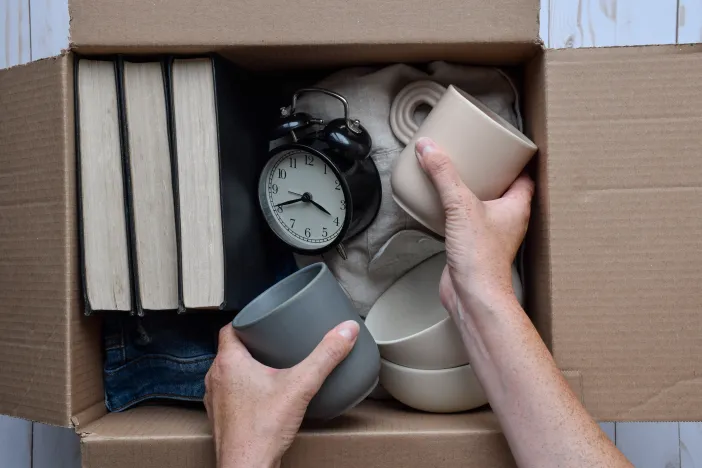
- Fragile Objects: Take extra care when packing fragile objects. Wrap each item individually with bubble wrap or packing paper to prevent damage. Fill any remaining space in the box with packing peanuts or additional paper to provide cushioning and minimize movement during transit.
- Electronics: If possible, use the original boxes to pack electronics, as they often include built-in padding to protect delicate components. Before packing, ensure you have backed up crucial files and data from your electronic devices as an added precaution.
By following these guidelines, you can pack each category of belongings appropriately and minimize the risk of damage to your clothes, valuables, fragile objects, and electronics. Taking these extra steps will provide an added layer of protection for your items and contribute to a smoother and more successful moving experience.
Label Boxes
To maintain an organized moving process and facilitate unpacking and organizing at your new home, it's essential to label each box clearly. Take the time to accurately describe the contents of each box and indicate the room it belongs to. By providing a clear description of the contents, you can easily identify specific items without needing to open multiple boxes. This labeling system not only saves time but also helps prevent any unnecessary confusion or frustration during the unpacking phase.
Additionally, make sure to mention on the label if the box contains delicate or fragile items. This information alerts you and your movers to exercise caution when handling those boxes, reducing the risk of accidental breakage or damage.
By adopting a consistent labeling practice, you empower yourself to efficiently prioritize and organize the unpacking process. With clear labels indicating the contents and destination rooms, you can easily direct movers or family members when placing each box in its designated location. This approach ensures a smooth transition as you settle into your new abode, allowing for a more streamlined and stress-free unpacking experience.
Ready to find the right home in the Triangle? Let’s talk strategy before you tour a single property.
Schedule My Home ConsultationHiring Movers vs. DIY: Making the Right Choice
Pros and Cons of Professional Movers
Benefits of Hiring Movers
- Expertise in handling and transporting belongings
- Insurance coverage for your items
- Time-saving and less physical strain on you
Potential Drawbacks
- Higher cost compared to DIY options
- Less control over the moving process
- Scheduling constraints based on company availability
DIY Moving: Is It Right for You?
Advantages of Self-Moving
- Cost savings, especially for shorter moves
- Complete control over packing and transport
- Flexibility in timing and pace of the move
Challenges of DIY Moving
- Physical demands of lifting and loading
- Time-consuming process from start to finish
- Potential for injury or damage to belongings
Hybrid Approaches: Combining Professional Help and DIY Efforts
Partial Moving Services
- Pack yourself, hire movers for loading and transport
- Use portable storage containers for a flexible timeline
Labor-Only Services
- Rent the truck yourself
- Hire helpers for loading and unloading only
Choose Between a Moving Company or Self-move
Decide whether to employ professional movers or to self-move. Hiring experts can alleviate a substantial amount of physical stress and scheduling pressures, primarily for long-distance relocation. Conversely, a short-distance move with fewer bulky items can be managed independently to save money.
The Moving Day: Executing Your Plan
Preparing for Moving Day
Final Checklist
- Confirm arrival time with movers or helpers
- Prepare payment and tips if using professional services
- Secure valuables and important documents for personal transport
Essentials Box
Pack a box with:
- Basic toiletries
- Change of clothes
- Important documents
- Chargers and electronics
- Basic tools for reassembling furniture
Managing the Move
Coordinating with Movers
- Be present to answer questions and provide direction
- Clearly communicate any special instructions or concerns
- Keep important contact numbers handy
Overseeing the Loading Process
- Verify inventory as items are loaded
- Ensure proper handling of fragile or valuable items
- Double-check all rooms, closets, and outdoor areas before departure
Loading the Moving Truck
Start with the heaviest appliances and furniture. Fill the space around these with boxes, using weightier boxes initially. To prevent transit damage, use moving pads or blankets. Load essentials like an overnight bag, a toolbox, or cleaning supplies last for quick access post-move.
Saying Goodbye and Traveling to Your New Home
Final Walk-Through
- Take meter readings for utilities
- Leave a note for the new occupants with any helpful information
- Lock all windows and doors
Travel Preparations
- Plan your route to your new North Carolina home
- Arrange for pet transportation if necessary
- Pack a cooler with snacks and drinks for the journey
Settling Into Your New North Carolina Home
Settling in the New Home
Begin organizing by cleaning your new home, followed by unpacking room-wise, beginning with essentials like kitchen supplies, beds, and toiletries. Even though moving seems intimidating, planning, and organization can ease the process. Keep a positive attitude and remember, you're embarking on an exciting new journey!
Unpacking Strategies
Prioritizing Rooms
- Kitchen: Set up essentials for meals
- Bedrooms: Assemble beds and unpack clothing
- Bathrooms: Stock with toiletries and towels
- Living areas: Arrange furniture and unpack as time allows
Organizing as You Unpack
- Create designated spaces for items as you unpack
- Break down boxes as you go to reduce clutter
- Consider new storage solutions that fit your new space
Getting to Know Your New Community
Exploring Your Neighborhood
- Take walks to familiarize yourself with the area
- Locate essential services like grocery stores and pharmacies
- Visit local parks and community centers
Meeting New Neighbors
- Introduce yourself to nearby residents
- Attend community events or HOA meetings
- Join local social media groups to connect with others
Ready to find the right home in the Triangle? Let’s talk strategy before you tour a single property.
Schedule My Home ConsultationEmbracing Your New Beginning in North Carolina
Moving to North Carolina is an exciting adventure, and with proper planning and execution, it can be a smooth and enjoyable experience. As you settle into your new home, take time to explore all that our beautiful state has to offer, from the Blue Ridge Mountains to the Outer Banks.
Tim Clarke's Expert Advice
As someone who's helped countless families find their dream homes, I know that moving is more than just a logistical challenge. It's an emotional journey. Here's how to make it a positive one:
- Plan Ahead: A well-thought-out plan can alleviate most moving stress. Start early and stick to your timeline.
- Stay Organized: Use labels and lists. They're your best friends during a move.
- Ask for Help: Don't hesitate to call in favors from friends or hire professionals for tasks that are too overwhelming.
- Embrace the Change: Moving is a new beginning. Focus on the opportunities that come with your new home and neighborhood.
Moving with confidence is all about preparation and mindset. Whether you're moving within the Raleigh-Durham Triangle or beyond, my team at the Tim M. Clarke Team is here to support you every step of the way.
Remember, the Tim M. Clarke Team is not just about real estate transactions; we're your neighbors and community partners. We specialize in custom home building and can help you find or create the perfect home for your needs in North Carolina.
Lets Start The Conversation
Ready to make your move to North Carolina? Contact the Tim M. Clarke Team today for personalized guidance on finding your ideal home and making a smooth transition to our wonderful state. Let's work together to make your North Carolina dreams come true and ensure your next move is your best move yet!
Whether you're looking for expert advice on the local real estate market, need assistance with custom home building, or simply want to explore the possibilities of living in the Raleigh-Durham area, we're here to help. Don't let the complexities of moving overwhelm you – reach out to us, and let's turn your relocation into an exciting new chapter in your life.
Call us today at (919) 355-8462 or visit our website timmclarke.com to schedule a consultation. Your dream home in North Carolina is waiting, and we're excited to help you find it!
Frequently Asked Questions
Ready to find the right home in the Triangle? Let’s talk strategy before you tour a single property.
Schedule My Home Consultation