Life After the Move: Adjusting to a Retirement Community

July 15, 2025
5 min read
Share this post

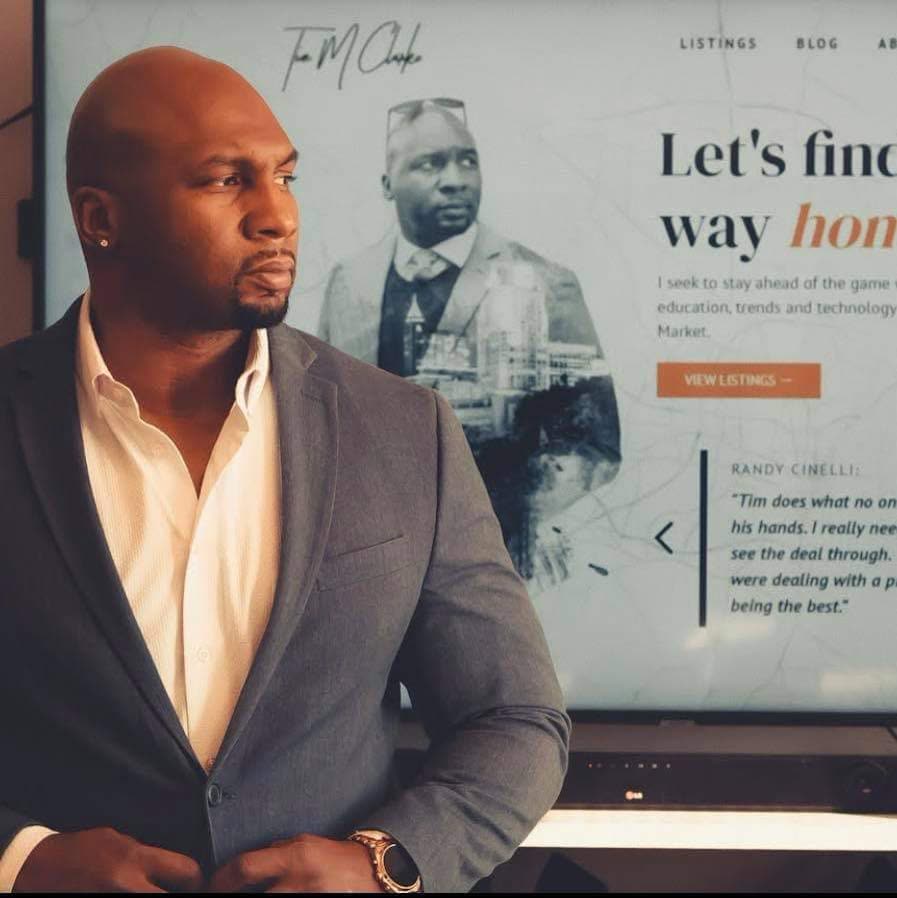
Hey there, I'm Tim Clarke, Strategic Pricing Specialist (SPS) and founder of the Tim M. Clarke Team. After helping hundreds of families navigate the Raleigh-Durham Triangle real estate market for over 17 years, I've gained unique insights into one of life's most significant transitions—moving to a retirement community.

Let me share something that might surprise you. The folks who thrive most in retirement communities aren't necessarily the ones with the biggest bank accounts or the best health. They're the ones who approach this transition with the right mindset and preparation. Today, I'll walk you through everything you need to know about making this move successfully.

The Real Story Behind Retirement Community Transitions

When Mary Henderson first walked into my Durham office last spring, she was clutching a folder of retirement community brochures and fighting back tears. "Tim," she said, "I never thought I'd be doing this." Her story echoed what I hear from many clients contemplating moves to senior living communities across Wake County and beyond.

The truth is, transitioning to a retirement community in the Triangle area involves far more than finding the right floor plan or amenity package. It's about reimagining your entire lifestyle while honoring the life you've built. Whether you're considering independent living in Cary, assisted living in Chapel Hill, or continuing care retirement communities (CCRCs) in Raleigh, the emotional journey remains remarkably similar.

I've noticed that clients moving from longtime homes in North Raleigh neighborhoods or Durham suburbs often experience what I call the "emotional sandwich"—they're caught between excitement for simplified living and grief over leaving familiar surroundings. This feeling intensifies when downsizing from custom-built homes in communities like Preston or Wakefield Plantation.

Understanding Your Emotional Journey

Let's be honest—deciding to move to a retirement community can feel like admitting defeat to some people. But here's what I tell my clients: it's actually one of the most proactive, intelligent decisions you can make for your future. Dr. Sarah Mitchell, a geriatric psychologist at Duke University Medical Center, once told me that people who choose retirement living before they need it report higher satisfaction rates than those who wait until health issues force the decision.

The emotional complexity of this transition mirrors what I see in other major real estate decisions. Just as first-time homebuyers in Apex experience mixed feelings of excitement and anxiety, seniors moving to retirement communities navigate similar emotional terrain. The difference? You're not just changing addresses—you're potentially changing your entire social ecosystem.

I remember working with Robert and Patricia Chen, who sold their 4,000-square-foot home in MacGregor Downs to move to a luxury retirement community near Brier Creek. Robert initially resisted, worried about losing his workshop and garden. Six months later, he called to thank me. "Tim," he said, "I'm busier now than when I was working. Between the woodworking club and community garden, I barely have time for golf!"

Redefining Your Lifestyle in the Triangle

The Research Triangle offers some of the nation's most innovative retirement communities, and I'm not just saying that because I live here. Communities like The Forest at Duke, Springmoor Life Care Retirement Community, and Carolina Meadows have redefined what senior living looks like. These aren't your grandmother's nursing homes—they're vibrant communities designed for active adults.

When evaluating retirement communities across Orange County, Durham County, and Wake County, I encourage clients to think beyond the basics. Sure, meal plans and housekeeping services matter, but what really transforms lives are the intangible benefits. John Williams, a former IBM executive who moved to a Raleigh retirement community, told me he'd discovered talents he never knew he had. "I'm in three bands now," he laughed. "My wife says I'm having my teenage years at 75!"

The lifestyle shift also means freedom from home maintenance—no more worrying about HVAC repairs, roof replacements, or lawn care. This liberation allows residents to focus on what truly matters. Margaret Thompson, who moved from her Lochmere home to a Cary retirement community, now volunteers with Wake County Public Libraries and travels extensively with the community's travel club.

Building Your New Social Network

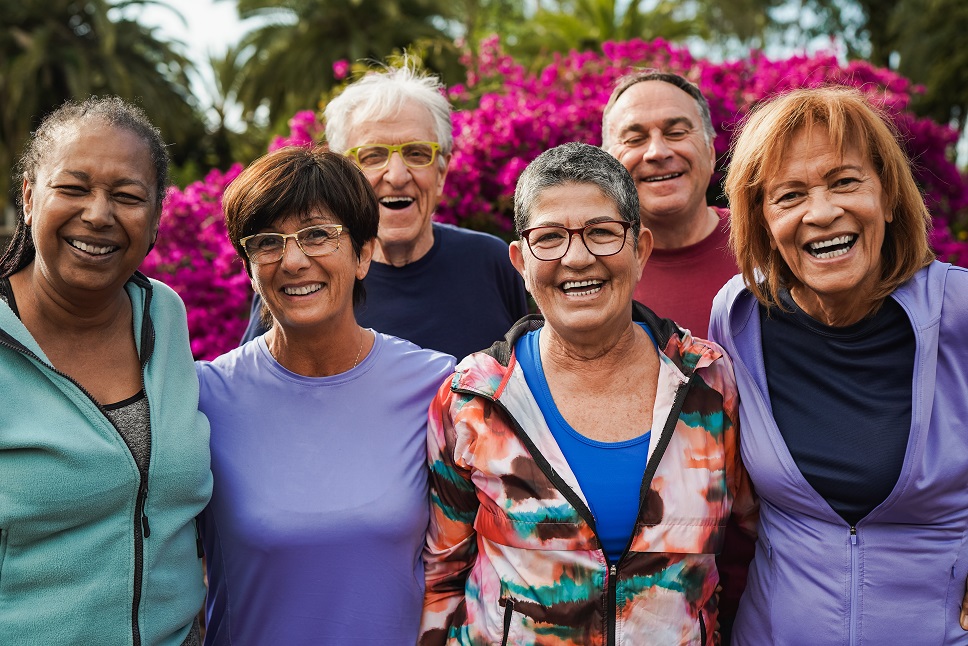
Here's something I've learned from helping dozens of clients transition to retirement communities: the social aspect often determines success more than any other factor. Unlike moving to a regular neighborhood where you might wave at neighbors occasionally, retirement communities offer built-in social structures designed to foster connections.

Take Bill Anderson, a retired NC State professor who moved to a continuing care community near Centennial Campus. Initially skeptical about "forced socialization," he discovered that having neighbors with shared interests—many fellow Wolfpack fans—made building friendships effortless. The community's proximity to NC State University meant regular lectures and cultural events that kept him intellectually engaged.

The key to social success? Start small. Susan Martinez, a former Wake County teacher, suggests attending one activity daily during your first month. "I started with morning coffee socials," she explained. "Low-key, no pressure. By week two, I had a regular breakfast group." Her retirement community near WakeMed Hospital offers over 50 weekly activities, from water aerobics to wine tastings.

Staff members at quality retirement communities act as social facilitators. At The Cardinal at North Hills, the lifestyle coordinator personally introduces new residents to others with similar interests. This intentional community-building sets Triangle-area retirement communities apart from those in other regions.

Maximizing Community Engagement

The retirement communities scattered throughout the Triangle offer amenities that would make country clubs jealous. But having great facilities means nothing if residents don't use them. I always advise clients to approach community activities like a buffet—sample everything before settling on favorites.

David and Carol Roberts moved from their Hope Valley home to a Durham retirement community featuring everything from a pottery studio to a fitness center with personal trainers. Carol, who'd never exercised regularly, now teaches chair yoga three times weekly. David discovered a passion for digital photography through the community's computer lab classes.

Popular activities at Triangle retirement communities include:

Fitness Programs: From SilverSneakers classes to swimming pools designed for aqua therapy, staying active becomes convenient and social. Dr. Michael Chen at UNC Hospitals notes that retirement community residents typically maintain better fitness levels than their peers aging at home.

Lifelong Learning: Partnerships with Duke University, UNC-Chapel Hill, and NC State bring professors directly to residents. The Cypress of Raleigh hosts regular lectures through the Osher Lifelong Learning Institute.

Creative Pursuits: Art studios, music rooms, and theater groups flourish in these communities. The annual art show at Springmoor rivals any Cary Arts Center exhibition.

Volunteer Opportunities: Many communities coordinate with local organizations like Food Bank of Central and Eastern North Carolina and Habitat for Humanity of Wake County, allowing residents to maintain community connections.

Creating Your Personal Haven

Downsizing from a 5-bedroom colonial in Preston to a two-bedroom apartment might seem daunting, but I've seen remarkable transformations. The secret? Thoughtful curation rather than random reduction. Interior designer Jennifer Walsh, who specializes in senior transitions throughout Wake County, recommends the "story method"—keeping items that tell your life's story.

Tom and Betty Harrison moved from their Governors Club estate to a cottage at Carolina Meadows. They transformed their new space by displaying Tom's model ship collection and Betty's quilts. "It's not about square footage," Betty explained. "It's about surrounding yourself with meaning."

Technology helps maintain connections to your broader world. Most Triangle retirement communities offer high-speed internet and tech support. Jim Patterson, who moved to a Raleigh community from Silicon Valley, runs his consulting business from his apartment. "Location independence," he calls it.

Consider these personalization strategies:

Memory Walls: Create photo galleries celebrating family milestones. Digital frames from Best Buy at Crabtree Valley Mall rotate thousands of images in minimal space.

Comfort Zones: Establish a reading nook with your favorite chair from home. Martha Stewart would approve of how Nancy Williams transformed her Fearrington Village apartment corner into a cozy retreat.

Hobby Spaces: Whether it's genealogy research or model trains, dedicate space to passions. Bob Miller turned his second bedroom into a ham radio station, connecting with operators worldwide.

Understanding Community Culture

Every retirement community develops its own personality. Galloway Ridge in Pittsboro attracts outdoorsy types who enjoy hiking trails and bird watching. The Forest at Duke draws intellectuals who appreciate proximity to Duke University events. Cypress of Raleigh appeals to social butterflies who thrive on organized activities.

Understanding these cultural nuances helps ensure a good fit. I once helped Professor Elizabeth Chang tour five different communities. At Carolina Meadows, she immediately connected with the political discussion group and environmental committee. "I knew I was home," she said, "when I saw the solar panels and community garden."

Respecting established traditions while contributing fresh perspectives creates harmony. Michael O'Brien, who moved from New York to a Cary retirement community, initially bristled at the slower pace. Now he leads the current events discussion group, bringing his Wall Street Journal background to lively debates.

Navigating Common Challenges

Let's address the elephant in the room—challenges do exist. But knowing what to expect makes them manageable. Through my years helping clients transition to retirement communities across the Triangle, I've identified common hurdles and solutions.

Privacy Concerns: Moving from a single-family home in Apex to a retirement community means closer neighbors. Sound-proofing in modern communities like The Cedars of Chapel Hill rivals luxury hotels. Establish boundaries early—Dorothy Adams posts a "Do Not Disturb" sign during her afternoon reading time.

Meal Plan Adjustments: Communities offer various dining options, from formal restaurant-style dining to casual bistros. Chef Marcus Williams at Springmoor accommodates special diets, including kosher, vegan, and gluten-free options. Most communities allow kitchenettes or full kitchens for those who enjoy cooking.

Healthcare Transitions: Continuing care communities provide peace of mind, but navigating levels of care can be confusing. The Village at Brookwood assigns care coordinators who work with families and physicians at nearby Rex Hospital or Duke Medical Center.

Financial Considerations: Entrance fees and monthly costs vary widely. I partner with financial advisors who specialize in retirement planning to ensure clients understand long-term implications. Tax benefits in North Carolina for retirement community residents often offset some expenses.

Success Stories from the Triangle

Real stories illustrate possibilities better than any brochure. Let me share a few that showcase the transformative power of embracing retirement community living.

The Adventure Seekers: Jack and Marie Sullivan sold their North Raleigh home to move to Galloway Ridge. At 72 and 70, they wanted maintenance-free living that supported their active lifestyle. The community's travel program has taken them to Peru, Iceland, and New Zealand. "We're seeing more of the world now than when we were working," Marie laughs.

The Entrepreneur: Richard Chen worried that moving to a retirement community meant giving up his consulting business. Instead, The Cardinal's business center and conference rooms elevated his professional image. He now mentors young entrepreneurs through NC State's Entrepreneurship Initiative.

The Artist: Barbara Mitchell bloomed creatively after moving to Carol Woods. The art studio and supportive community unleashed talents dormant since college. Her paintings now sell at Artspace in downtown Raleigh, with proceeds benefiting Alzheimer's research at UNC Medical Center.

The Volunteer: George Washington (yes, that's really his name) transformed his passion for service after moving to Cypress of Raleigh. He coordinates Meals on Wheels deliveries, leads voting registration drives, and mentors at-risk youth through Big Brothers Big Sisters of the Triangle.

Making Your Decision

Choosing the right retirement community requires balancing practical considerations with emotional readiness. I recommend starting your search 2-3 years before you plan to move. This timeline allows you to:

Research Options: The Triangle offers over 30 retirement communities ranging from independent living to skilled nursing facilities. Each has unique features, cultures, and price points.

Financial Planning: Work with certified financial planners familiar with retirement community costs. Consider how selling your current home in markets like Cary or Chapel Hill can fund your transition.

Trial Stays: Many communities offer respite stays or trial periods. Springmoor's "Try Before You Buy" program lets prospective residents experience community life firsthand.

Family Discussions: Include adult children in decisions. I've facilitated many family meetings where we discuss concerns openly. Dr. Patricia Kim, a family therapist in Durham, emphasizes that transparent communication prevents future conflicts.

Your Next Chapter Awaits

After 17 years helping families navigate real estate transitions in the Triangle, I can say with certainty that moving to a retirement community often becomes the decision people wish they'd made sooner. It's not about what you're giving up—it's about what you're gaining.

Imagine waking up without worrying about lawn maintenance or home repairs. Picture having interesting neighbors just down the hall who share your interests. Envision trying new activities without driving across Wake County in rush hour traffic. This isn't just a housing decision—it's a lifestyle upgrade.

The Research Triangle's retirement communities offer something special. Our mild climate, world-class healthcare from Duke, UNC, and WakeMed systems, and vibrant cultural scene create an ideal environment for thriving in your golden years. Add the intellectual stimulation from three major universities and the warmth of Southern hospitality, and you've got a winning combination.

Ready to explore your options? The Tim M. Clarke Team specializes in helping seniors transition smoothly from their current homes to the perfect retirement community. We understand both sides of the equation—selling your current property at top dollar and finding a community that matches your lifestyle and budget.

Frequently Asked Questions about Adjusting to a Retirement Community

What should I consider when choosing a retirement community?

When selecting a retirement community, consider factors like location, amenities, healthcare services, and community culture. It's essential to visit multiple communities to get a feel for each one and determine which best fits your lifestyle and needs.

How can I make friends in a new retirement community?

Start by attending community events and introducing yourself to neighbors. Participating in group activities and clubs can also help you meet like-minded individuals. Remember, everyone is there to make connections, so don't be shy about reaching out.

What types of activities are typically offered in retirement communities?

Most retirement communities offer a variety of activities, including fitness classes, arts and crafts, educational seminars, and social events like movie nights and game nights. Check with the community's activity coordinator to find out what's available and how to get involved.

How do I personalize my living space in a retirement community?

Bring personal items that hold sentimental value, such as photos, favorite books, or cherished furniture pieces. These items can help make your new space feel like home and provide comfort as you adjust to your new surroundings.

What role do staff members play in a retirement community?

Staff members in a retirement community are there to support residents. They handle everything from maintenance and housekeeping to organizing activities and providing healthcare services. Building a good relationship with the staff can enhance your experience and ensure you get the help you need.

How can I stay active and healthy in a retirement community?

Take advantage of the fitness classes and wellness programs offered by the community. Regular exercise and participation in activities can improve both physical and mental health. Additionally, maintaining a balanced diet and staying socially engaged can contribute to overall well-being.

What should I expect during the transition to a retirement community?

Expect a mix of emotions, including excitement and apprehension. It's normal to feel nostalgic about leaving your old home. Give yourself time to adjust, and focus on the opportunities for growth and new experiences in your new environment.

How do I integrate into the community culture?

Attend community meetings and participate in volunteer opportunities. Understanding and respecting the community's norms will help you integrate more smoothly. Your involvement in community decisions can also enhance your sense of belonging.

Can family and friends visit me in a retirement community?

Yes, most retirement communities welcome visitors. It's important to check with your community for any specific visitor policies or guidelines. Having family and friends visit can help maintain strong relationships and provide support during your transition.

What should I do if I'm feeling overwhelmed by the move?

If you're feeling overwhelmed, reach out to community staff or neighbors for support. They can provide guidance and reassurance. Additionally, staying connected with family and friends can help ease the transition and provide emotional comfort.

Tim M. Clarke

About the author

17 years as a Realtor in the Research Triangle, Tim seeks to transform the Raleigh-Durham real estate scene through a progressive, people-centered approach prioritizing trust & transparency.