
Ready to find the right home in the Triangle? Let’s talk strategy before you tour a single property.
Schedule My Home ConsultationKEY TAKEAWAYS
- How your home is titled is an estate-planning decision. In North Carolina, tenancy by the entirety gives married couples real creditor protection on the family home.
- A revocable living trust keeps your home out of probate and out of the public record—but on its own it is not an asset-protection shield.
- Malpractice and umbrella insurance are the first line of defense. Titling and trusts are layers behind the insurance, never a substitute for it.
- Keep investment property separate from the family home—that's where LLCs earn their keep.
- Build the plan with three people at the table: an NC estate attorney, a CPA, and your real estate agent.
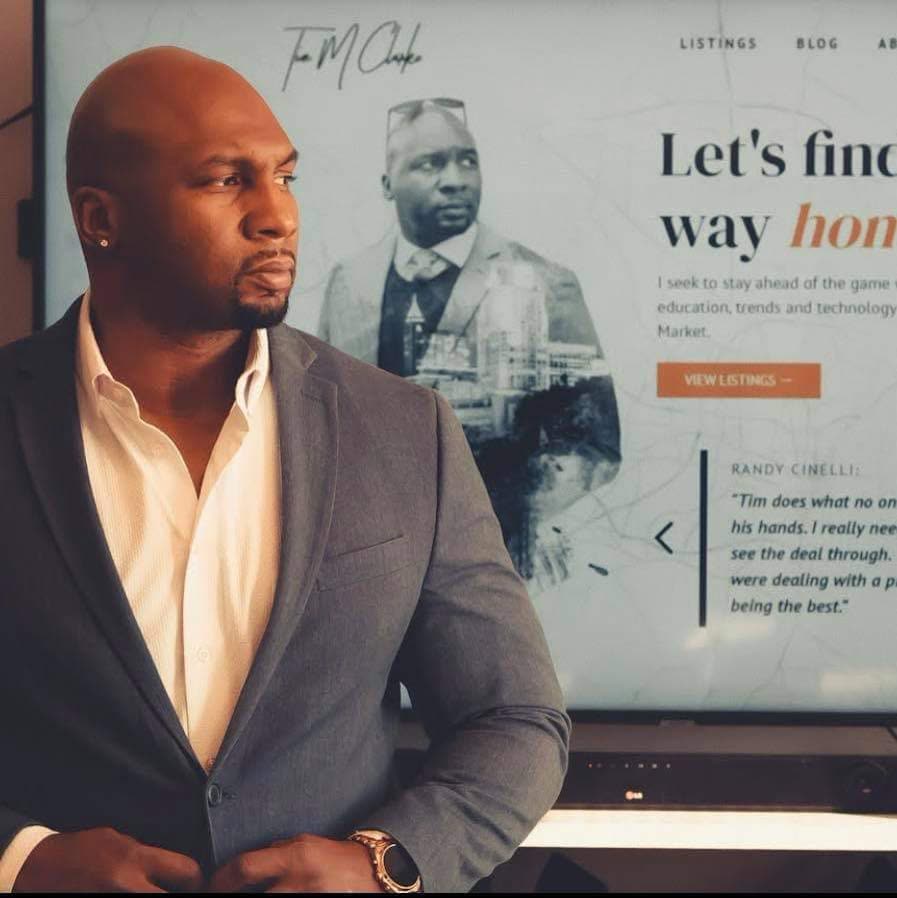
I'm Tim Clarke, founder of the Tim M. Clarke Team here in the Raleigh-Durham Triangle. Over 17+ years I've helped physicians, dentists, PAs, and nurse leaders from Duke, UNC Health, and WakeMed buy homes, build custom homes, and grow real estate portfolios. And I've noticed a pattern: medical professionals plan meticulously for their patients and their practices, then sign the deed to their largest asset without asking a single question about how it's titled.
One thing before we start, and I mean it: I'm a real estate professional, not an attorney or tax advisor. Nothing here is legal or tax advice. Treat this article as a map of the questions worth asking—then get the answers from a North Carolina estate attorney and a CPA who know your full picture. My job is to make sure the real estate side of your plan is ready for that conversation.
The deed you sign at closing is an estate-planning decision, whether you treat it as one or not.
Why medical professionals plan around the house differently
Estate planning is a roadmap for your assets—how they're protected while you're living and how they pass when you're gone. For medical professionals the map has a few extra turns: high income, a diverse asset mix, and professional liability exposure that most homeowners never think about.
Let me keep the liability point in proportion, because this is where a lot of physician-finance content turns breathless. Your malpractice policy and a personal umbrella policy carry the first line of defense, and for most claims they carry the whole load. But because a claim is at least possible in your profession, the way you title your home and structure your assets deserves more deliberate thought than it gets from the average buyer. Not fear—just intention.
Your home is usually the anchor asset in that plan. It's the largest single line on most physicians' balance sheets, it appreciates in a growth market like ours, and it's the asset your family actually lives in. So the house is where the estate conversation should start.
Titling: the decision you make at the closing table
Every North Carolina deed states how the buyers take ownership, and that choice controls what happens on death, divorce, and—critically for physicians—what a creditor can reach. I walk through all the ways of holding title in a separate guide, but here's the short version for a medical buyer:
| Form of ownership | Who it's for | What it means for your plan |
|---|---|---|
| Sole ownership | One unmarried owner | Full control; the property passes by will and goes through probate |
| Tenancy in common | Co-owners with separate shares | Each share passes independently—common for unmarried partners or siblings, and it needs careful will coordination |
| Joint tenancy with right of survivorship | Co-owners who want automatic transfer | The survivor takes the whole property outside probate, but there's no special creditor protection |
| Tenancy by the entirety | Married couples only | Survivorship plus creditor protection against one spouse's individual creditors |
Tenancy by the entirety: NC's quiet gift to married physicians
North Carolina recognizes tenancy by the entirety for real estate owned by married couples, and for a physician household it's the single most underappreciated line on the deed. The legal idea is that the marriage owns the property as a unit—neither spouse owns a divisible half. The practical effect: a creditor with a judgment against one spouse alone generally cannot force the sale of a home the couple holds by the entirety.
Picture a married surgeon in Cary whose spouse teaches school. If a claim someday exceeded the surgeon's malpractice coverage, a home titled tenancy by the entirety stands on very different footing than one titled in the surgeon's name alone. Same house, same mortgage, same monthly payment—different exposure, decided by a few words on the deed.
The honest limits, because they matter: the protection applies to individual debts, not debts the couple took on jointly. It ends if the marriage ends in divorce, and when one spouse dies the survivor holds the property alone, without the entirety shield. And certain claims, including some federal ones, are treated differently. Whether tenancy by the entirety fits your situation—and how it interacts with everything else in your plan—is exactly the question for your estate attorney.
Living trusts and the family home
The other tool that comes up in nearly every physician estate conversation is the revocable living trust. I've written a full guide to living trusts and real estate, so here I'll stay focused on what a trust does—and doesn't do—for a medical family's home.
WHAT A REVOCABLE TRUST DOES
- Skips probate. The home passes to your beneficiaries by the trust's terms, saving your family time, court costs, and hassle.
- Keeps it private. Probate files are public record; a trust keeps the details of your estate out of them.
- Plans for incapacity. Your successor trustee can manage the property if you can't—a real consideration in a profession that understands medical crises firsthand.
- Keeps you in control. You can sell, refinance, or revoke while you're living.
WHAT IT DOESN'T DO
- No creditor shield. Because you can revoke it, the law treats revocable trust assets as still yours. It is an inheritance tool, not armor.
- No income-tax magic. A revocable trust is generally tax-neutral while you're alive.
- It can complicate entirety protection. Moving a tenancy-by-the-entirety home into a trust raises the question of whether that creditor protection carries over. NC law speaks to this, and a well-drafted trust can address it—drafting it is your attorney's job, not mine and not a template's.
A practical note buyers ask me about: transferring your own home into your own revocable trust generally doesn't trigger a mortgage's due-on-sale clause—federal law protects that kind of transfer for a primary residence. Still, tell your lender and your homeowner's insurer, so the paperwork matches the plan. Irrevocable trusts and Charitable Remainder Trusts are different instruments entirely—more protection and potential tax benefits in exchange for giving up control—and they belong squarely in the attorney-and-CPA conversation.
Ready to find the right home in the Triangle? Let’s talk strategy before you tour a single property.
Schedule My Home ConsultationTax questions worth bringing to your CPA
I'll name the strategies so you can raise them; your CPA prices them for your actual return. Gifting real estate to heirs during your lifetime can move future appreciation out of your estate—but it can also give up the stepped-up cost basis your heirs would receive if they inherited instead, which matters enormously with Triangle appreciation. A Charitable Remainder Trust can turn an appreciated property into an income stream plus a deduction while supporting a cause you care about. And the sequencing of all of it—what to gift, what to hold, what to title where—is a coordination problem between your attorney and your CPA. Bring them both in before you act on any of it.
Investment property is a different animal
Everything above is about the family home. Rental and investment property runs on a different logic: there, holding each property in an LLC is the standard conversation, because it separates the liability of the rental from your personal assets and your medical career. Plenty of my physician clients in Raleigh, Durham, and Chapel Hill hold their home one way and their rentals another—on purpose. If you're building that side of your portfolio, start with my guide to real estate investing for medical professionals, then have your attorney wire the entity structure into the same estate plan that covers your home.
Beneficiary planning: making sure the house lands where you intend
North Carolina doesn't offer a simple transfer-on-death deed for real estate the way some states do. That makes the two tools above—titling and trusts—the main machinery for passing a Triangle home outside probate. Survivorship titling handles the first transfer between spouses; a trust or will has to handle everything after that, including the scenario nobody enjoys planning for, where both spouses are gone and the house passes to children or other heirs.
The plan also has to keep up with your life. Marriage, a new baby, a practice partnership, a custom home build, a second property—each one changes what the right structure looks like. A plan drafted during residency rarely fits an attending with a family and a rental in Wake Forest.
Ready to find the right home in the Triangle? Let’s talk strategy before you tour a single property.
Schedule My Home ConsultationHow to put the plan together
- Inventory the real estate. List every property, how each is currently titled, what it's worth, and what's owed. Pull the deeds—you may be surprised what they actually say.
- Confirm the insurance first. Verify your malpractice coverage and add a personal umbrella policy sized to your assets. Structure is the second layer, never the first.
- Settle titling with your estate attorney. For married couples, ask specifically about tenancy by the entirety and whether it should carry into a trust.
- Put the tax questions to your CPA. Gifting, basis step-up, charitable trusts—get numbers, not generalities, before you move any asset.
- Separate the investment side. Keep rentals and their entities structurally apart from the family home, and make sure the estate plan covers both.
- Revisit at every milestone. New spouse, new child, new practice, new property—each one is a trigger to re-read the plan. When a purchase or sale is part of the move, my team and I will coordinate the real estate piece with your attorney and CPA so the deed matches the plan.
Your estate plan is more than a document—it's how your family keeps what you've built. If you're buying, selling, or building custom in the Triangle and want the real estate side handled by someone who understands how physicians hold assets, reach out. My team and I will follow up, and we'll work alongside your attorney and CPA—not in place of them.
Frequently Asked Questions
Ready to find the right home in the Triangle? Let’s talk strategy before you tour a single property.
Schedule My Home Consultation