Ready to find the right home in the Triangle? Let’s talk strategy before you tour a single property.
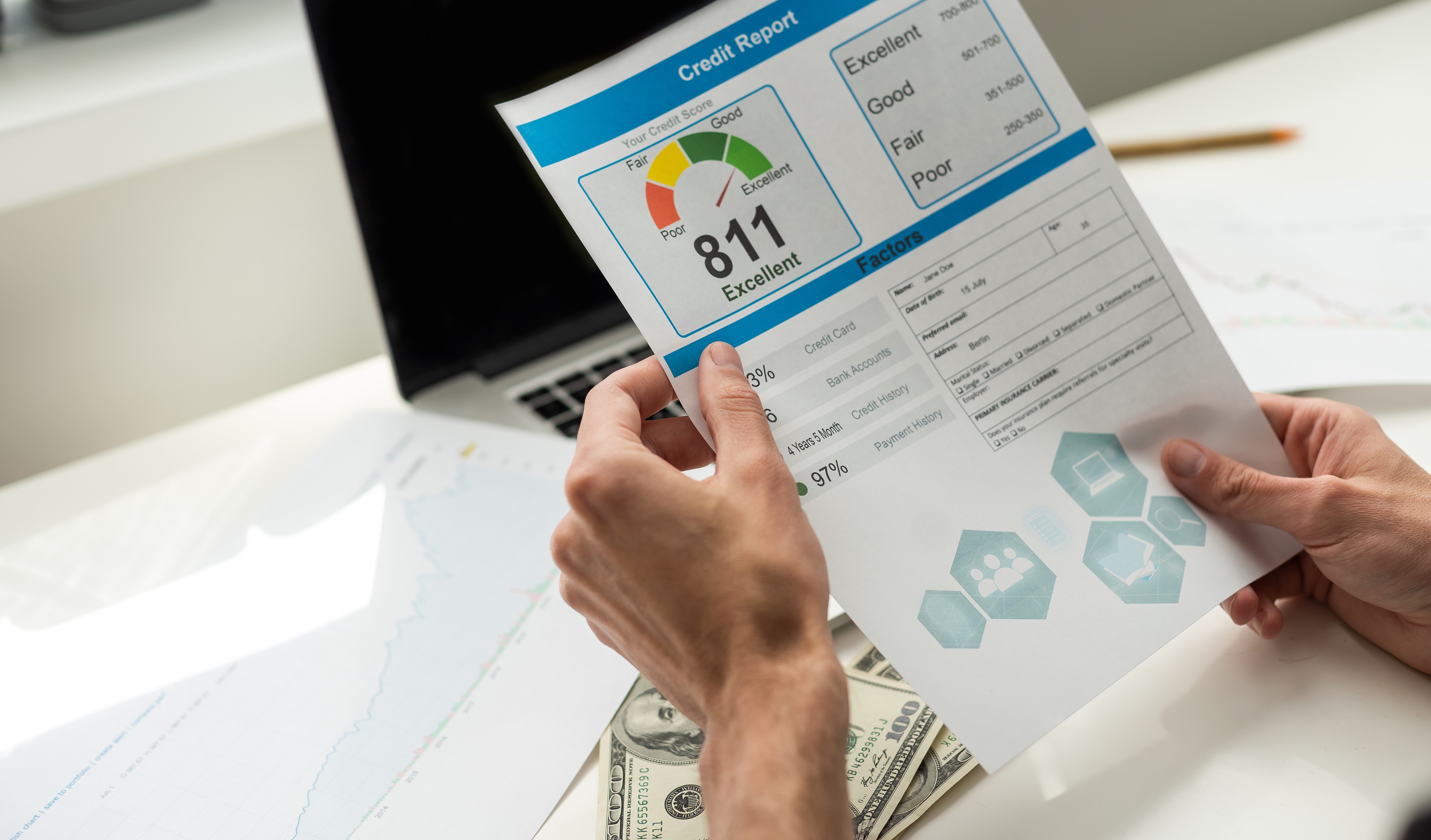
Schedule My Home Consultation- A FICO score runs from 300 to 850 and tells a lender how likely you are to repay what you borrow.
- Five factors build the number, and two of them — payment history and credit utilization — account for 65% of it.
- Your score sets both whether you qualify for a mortgage and the interest rate you're offered, so a higher number saves you real money over 30 years.
- Start early. FICO scores update every 30 to 45 days, so give yourself six months to a year before you apply.
Buyers ask me about their credit before they ask me about neighborhoods. They're right to. In my 17+ years across the Raleigh-Durham Triangle, I've watched a three-digit number decide which homes a family can reach and how much they'll pay to get there.
That number is your FICO score. Understand what goes into it, and you can move it — often by more than you'd expect — before you ever sit down with a lender.
What a FICO Score Actually Is
A FICO score, built by the Fair Isaac Corporation, is a three-digit number from 300 to 850 that measures your creditworthiness. Lenders read it as shorthand for risk: the higher your score, the safer you look, and the better the terms they'll put in front of you.
It isn't a permanent grade. Your score moves as your credit behavior and the data reported to the bureaus change. That's the part most people miss — and the part you can use.
The Five Factors That Build Your Score
FICO calculates your score from five inputs, each carrying its own weight. Payment history and credit utilization together make up 65% of the total, so those two are where your attention belongs.
| Factor | Weight | What it measures |
|---|---|---|
| Payment History | 35% | Whether you've paid your bills on time. The single biggest lever. |
| Credit Utilization | 30% | How much of your available credit you're using right now. |
| Length of Credit History | 15% | The age of your accounts. Older is better. |
| Credit Mix | 10% | The variety of credit you carry — cards, auto loans, a mortgage. |
| New Credit | 10% | How many accounts you've opened recently. A flurry drags the number down. |
Payment history and credit utilization are 65% of your score. Fix those two and the rest tends to follow.
How Your Score Decides Your Mortgage
Where the minimums sit
I've walked hundreds of Triangle buyers through qualifying, and the loan type you're chasing sets the floor:
- Conventional loans: generally a minimum of 620.
- FHA loans: 580 with 3.5% down, or 500 to 579 with 10% down.
- VA loans: no official minimum, but most lenders want 620 or higher.
- USDA loans: typically 640.
Those are floors, not targets. Clearing the minimum gets you in the door. It doesn't get you the best deal.
Why the rate follows the score
Your FICO score doesn't just decide whether you qualify — it decides the interest rate you're handed. A buyer at 760 and a buyer at 620 get two different offers on the same house, and across a 30-year loan that gap runs into tens of thousands of dollars. In our multiple-offer market, a strong score does double duty: it lowers your cost and it tells a seller your deal will actually close.
Ready to find the right home in the Triangle? Let’s talk strategy before you tour a single property.
Schedule My Home ConsultationWhat Changes Your Score, and How Often
Your score shifts as new information reaches the bureaus. The same five factors that build it are the ones that move it — a missed payment, a maxed-out card, a fresh account. FICO scores typically update every 30 to 45 days, depending on when your creditors report. That cadence is exactly why I tell clients to start watching their number at least six months before they plan to apply.
Keep eyes on it
Pull your reports from all three bureaus — Equifax, Experian, and TransUnion — through AnnualCreditReport.com, free once a year. Many credit card issuers now show your FICO score for free, and services like Credit Karma and Credit Sesame track it too.
Raise Your Score Before You Apply
Give yourself runway and these moves add up. Here's the order I hand my clients:
- Check all three reports for errors. Pull Equifax, Experian, and TransUnion and dispute every inaccuracy. A single corrected mistake can lift your score fast.
- Pay down card balances. Cutting your utilization is the quickest legitimate win. Aim to use no more than 30% of your available credit.
- Pay every bill on time, every time. Set up autopay or reminders. Payment history is 35% of the number, and this is where you protect it.
- Consider becoming an authorized user. Getting added to a family member's card with a clean payment record can pull your score up.
- Stop opening new accounts. Each new application dings the number and shortens your average account age — the last thing you want in the months before you buy.
- Keep a healthy mix. Carrying both revolving credit and an installment loan helps, so don't rush to close old accounts.
Work these for six months and a 640 can become a 720. I've seen it turn an FHA buyer into a conventional buyer with a better rate and tens of thousands saved over the life of the loan.
When you're ready to line up your credit and your home search at the same time, my team and I will walk you through it and connect you with lenders we trust. Reach out to the Tim M. Clarke Team and let's map your path to the closing table here in the Triangle.
Frequently Asked Questions
Ready to find the right home in the Triangle? Let’s talk strategy before you tour a single property.
Schedule My Home Consultation