¿Construyendo o comprando nuevo? Asegurémonos de que el contrato le convenga a usted.
Programar consulta de construcción nuevaLa versión de 30 segundos
- Impermeable significa que el agua no puede filtrarse. Las entradas de concreto, el asfalto, los techos y los patios tradicionales dejan correr la lluvia en lugar de absorberla.
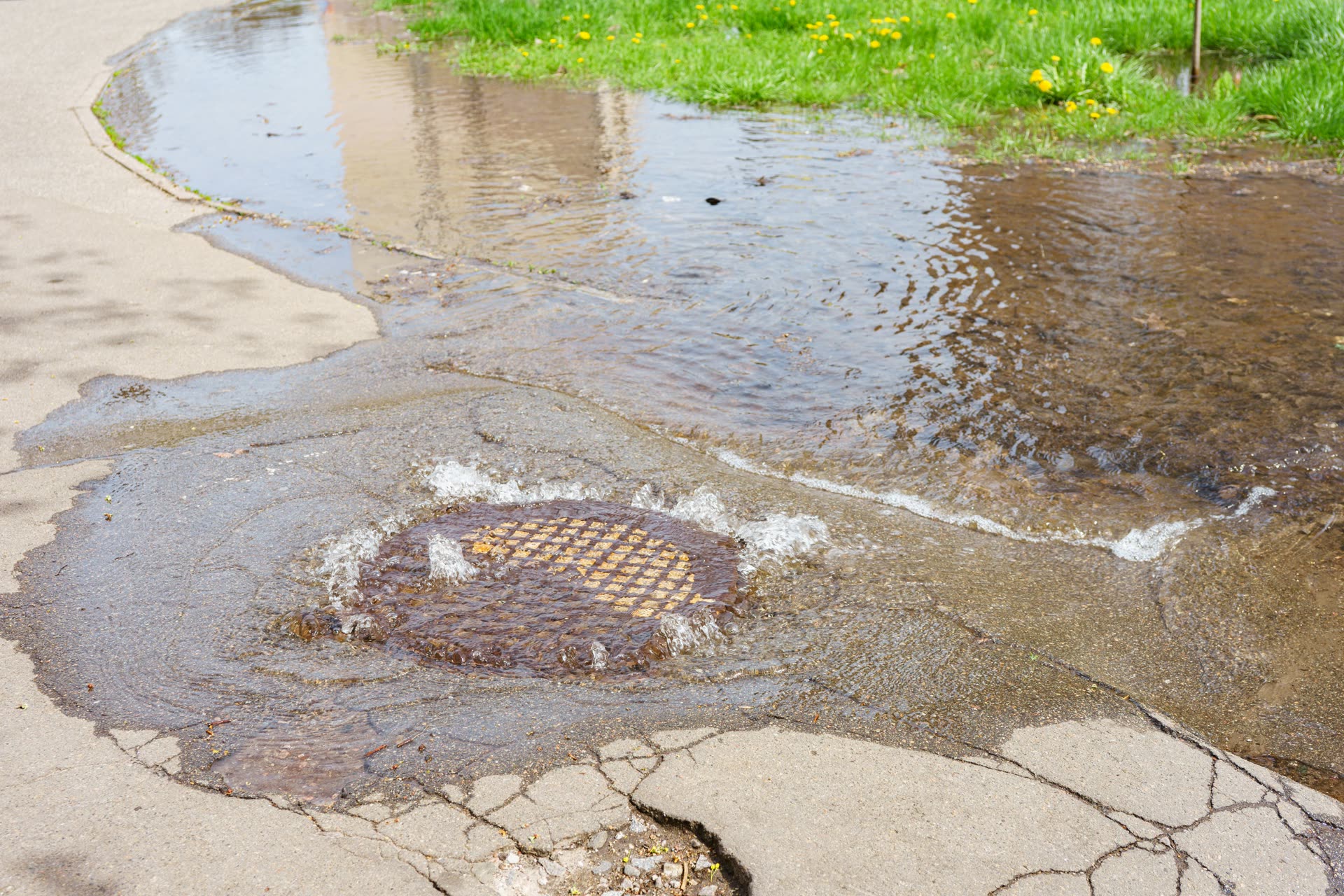
- La escorrentía es el costo real. Más superficie dura significa una escorrentía más rápida y abundante — inundaciones localizadas, erosión de las orillas de los arroyos, y aceite y grasa arrastrados hacia Falls Lake y el río Neuse.
- Muchos municipios del Triángulo limitan la cobertura. Un porcentaje máximo de superficie impermeable puede limitar lo que usted construye y cómo usa el lote, así que revise la ordenanza local antes de trazar planos.
- Las opciones permeables le permiten construir y aun así drenar. Los adoquines permeables, el asfalto y el concreto porosos, los jardines de lluvia y las biocunetas reducen su huella — y algunas zonas ofrecen créditos fiscales o reducciones en las tarifas de aguas pluviales.
En mis más de 18 años construyendo y vendiendo casas en todo el Triángulo de Raleigh-Durham, he visto cómo un solo detalle decide si un lote funciona: cuánto de él deja correr el agua en lugar de absorberla. Esa es la cuestión de la superficie impermeable. Suena como una nota al pie de ingeniería. Define su área edificable, su exposición a inundaciones y, a veces, su factura de seguro.
Las superficies impermeables son los materiales que impiden que la lluvia llegue al suelo. Están por todas partes en una propiedad residencial — la entrada donde estaciona, el techo sobre su cabeza, el patio de atrás. Esto es lo que cuestan y lo que usted puede hacer al respecto.
Qué cuenta como superficie impermeable
Si el agua la golpea y corre en lugar de filtrarse, es impermeable. En un lote típico del Triángulo, cuatro superficies hacen la mayor parte del trabajo.
| Superficie | ¿Permeable? | Impacto de escorrentía |
|---|---|---|
| Entradas y aceras de concreto | No | Alto — duradero, pero deja correr cada gota |
| Asfalto (calles, entradas) | No | Alto — una fuente importante de cobertura dura |
| Techos | No | Alto — la huella que la gente olvida |
| Patios y terrazas (tradicionales) | No | De moderado a alto según el material |
El techo es el que sorprende a la gente. Es fácil imaginar la entrada como el problema. El techo suele ser la mayor superficie impermeable del lote, y cuenta en su contra de la misma manera.
Si el agua la golpea y corre en lugar de filtrarse, cuenta — y el techo suele contar más que nada.
Por qué la escorrentía es el costo real
Aquí tenemos fuertes tormentas eléctricas en verano, además del ocasional sistema tropical que sube desde la costa. Las superficies impermeables aumentan tanto el volumen como la velocidad de la escorrentía superficial. Ahí empieza el problema.
Inundaciones y erosión
- Inundaciones localizadas. Las zonas bajas y los vecindarios con drenaje escaso las sufren primero.
- Erosión. El agua rápida desgasta las orillas de los arroyos y corta el terreno empinado.
Calidad del agua
La escorrentía no sale limpia. Recoge cosas en el camino de bajada.
- Transporte de contaminantes. El aceite, la grasa y otros contaminantes se lavan de las calles y entradas hacia cuerpos de agua locales como Falls Lake y el río Neuse.
- Contaminación térmica. El asfalto y el concreto absorben el calor y luego calientan la escorrentía — algo duro para la vida acuática río abajo.
El suelo debajo
Cada pie cuadrado de superficie dura es un pie cuadrado que la lluvia no puede recargar. A medida que surgen nuevos vecindarios, eso se acumula de dos maneras: pérdida de hábitat donde el desarrollo se encuentra con las zonas silvestres, y agotamiento de las aguas subterráneas a medida que la menor infiltración baja los niveles freáticos que alimentan pozos y manantiales.
Qué le hace a su propiedad
Esto no es solo una cuestión ambiental. Afecta el valor y lo que se le permite hacer.
Valor y riesgo
- Una cobertura impermeable alta puede elevar el riesgo de inundación — lo que puede subir las tarifas de seguro y frenar el valor.
- Los límites de cobertura en algunas zonas del Triángulo limitan el potencial de desarrollo y restringen cómo usa la propiedad.
Carga de aguas pluviales
- El exceso de escorrentía puede sobrecargar los sistemas municipales de aguas pluviales, alimentando inundaciones y problemas de calidad del agua.
- Manejar la escorrentía en su propio lote conlleva un costo real de mantenimiento con el tiempo.
¿Construyendo o comprando nuevo? Asegurémonos de que el contrato le convenga a usted.
Programar consulta de construcción nuevaImpermeable frente a permeable
La solución no es pavimentar menos y vivir con lodo. Es elegir superficies que soporten peso y aun así dejen pasar el agua.
Impermeable (deja correr el agua)
- Entradas y andenes de concreto vertido
- Asfalto estándar
- Techos convencionales
- Patios y terrazas de asiento sólido
Permeable (deja pasar el agua)
- Adoquines permeables — superficie estable, el agua se filtra entre ellos
- Asfalto y concreto porosos, diseñados para pasar el agua al suelo de abajo
- Techos verdes que absorben la lluvia y añaden aislamiento
El asfalto y el concreto porosos aparecen cada vez más en las casas personalizadas en las que trabajamos. Los adoquines permeables le dan una entrada o un andén firme que drena en lugar de verter hacia la calle.
Infraestructura verde que se gana su lugar
Algunas de las mejores herramientas de escorrentía funcionan también como paisajismo. Manejan el agua y parecen una elección, no un compromiso.
Infraestructura verde
- Jardines de lluvia. Zonas bajas paisajísticas que recogen y filtran la escorrentía — útiles y de buen aspecto.
- Biocunetas. Canales con plantas que frenan y limpian el agua pluvial, a menudo ubicados a lo largo de las entradas o los límites de la propiedad.
- Techos verdes. Más comunes en edificios comerciales, pero algunos clientes de casas personalizadas están poniendo jardines en la parte superior para absorber la lluvia.
Paisajismo inteligente
- Nivelación estratégica. Modele el lote para que el agua fluya hacia el terreno permeable, y la escorrentía baja.
- Selección de plantas nativas. Las plantas adecuadas para nuestro clima de Carolina del Norte absorben más agua y piden menos riego.
Las reglas y los incentivos
La regulación en torno a las superficies impermeables se sigue endureciendo en toda el área de Raleigh-Durham. Parte de ella lo limita. Parte de ella le paga de vuelta.
Ordenanzas y zonificación
- Límites de superficie impermeable. Muchos municipios fijan un porcentaje máximo de cobertura que puede rediseñar un plan de construcción. El número varía según la jurisdicción — revise la ordenanza local antes de comprometerse con un diseño.
- Requisitos de manejo de aguas pluviales. Los nuevos desarrollos a menudo tienen que incluir el manejo del agua en el sitio.
Incentivos
- Créditos fiscales. Algunos gobiernos locales ofrecen beneficios fiscales a los propietarios que instalan infraestructura verde.
- Reducciones en tarifas de aguas pluviales. Algunas zonas descuentan las tarifas de servicios públicos a las propiedades que reducen su escorrentía.
El tope de cobertura lo fija su jurisdicción, no yo — confirme la ordenanza local antes de trazar la entrada.
¿Construyendo o comprando nuevo? Asegurémonos de que el contrato le convenga a usted.
Programar consulta de construcción nuevaLo que he visto funcionar en el Triángulo
Tres proyectos de nuestro propio mercado muestran cómo se desarrolla esto en lotes reales.
- Subdivisión en Cary. Un desarrollador instaló biocunetas y entradas permeables por toda una nueva subdivisión. Cumplió con las reglas locales y se convirtió en un argumento de venta para los compradores a quienes les importaba.
- Casa personalizada en Durham. Un cliente puso un techo verde sobre el garaje y un sistema de recolección de agua de lluvia en el lote — una huella impermeable menor, además de agua para el jardín durante las épocas secas.
- Renovación en Raleigh. Un propietario con inundaciones recurrentes rediseñó el paisaje en torno a una serie de jardines de lluvia. El problema del agua desapareció y el jardín se volvió más fácil de mantener.
Si está comprando o vendiendo
La cobertura impermeable corta en ambos sentidos según de qué lado de la mesa esté usted.
Compradores
- Busque características inteligentes de aguas pluviales ya instaladas.
- Sopese la ventaja a largo plazo de una menor cobertura impermeable.
- Pregunte por problemas de agua existentes o antecedentes de inundación.
Vendedores
- Considere agregar mitigación antes de poner la propiedad en el mercado.
- Destaque cualquier infraestructura verde o característica de aguas pluviales en el anuncio.
- Esté listo para explicar cómo maneja la propiedad la lluvia intensa.
Sus próximos pasos
- Encuentre su tope de coberturaRevise la ordenanza local para el porcentaje máximo de superficie impermeable en su lote antes de planear nada.
- Sume sus superficies durasTotalice la entrada, el techo, los andenes y el patio — el techo suele contar más de lo que imaginaría.
- Cambie a permeable donde encajeLos adoquines permeables, el concreto poroso, los jardines de lluvia o las biocunetas reducen la escorrentía sin reducir el espacio útil.
- Pregunte por créditos y reducciones de tarifasVea si su zona ofrece créditos fiscales o descuentos en tarifas de aguas pluviales por infraestructura verde.
- Revise el historial de inundaciones y agua antes de comprarPregunte al vendedor por inundaciones pasadas y cómo el lote deja correr una lluvia intensa.
Mi equipo y yo trabajamos con constructores y diseñadores de paisajismo locales en esto todos los días, y recorreremos su lote específico con usted. Si está construyendo, comprando o vendiendo en el Triángulo, contáctenos y le daremos seguimiento.
¿Construyendo o comprando nuevo? Asegurémonos de que el contrato le convenga a usted.
Programar consulta de construcción nueva