Thinking about selling? I’ll tell you what your property is really worth — no obligation.
Get My Free Home EvaluationAs the founder of the Tim M. Clarke Team, a name synonymous with luxury residential and custom-built homes in the Raleigh-Durham market, I've guided countless clients through the complexities of high-value property features. A private pool is more than just an amenity; it's a significant asset that can define a property's lifestyle and market position. This guide moves beyond the surface-level considerations, offering my team's expert insights—honed through years of experience in the Triangle's most exclusive neighborhoods—to help you navigate the strategic investment of pool ownership in North Carolina.
Introduction to Pool Ownership in North Carolina
The Appeal of Having a Pool in the Tar Heel State
Climate Considerations
North Carolina's climate presents a compelling case for pool ownership. Our extended periods of high heat and humidity create a long season for aquatic enjoyment. In the Piedmont region, which includes Raleigh and Durham, the humid subtropical climate provides a swimming season that can comfortably span from late April to early October. For homeowners, this translates to a high-utility feature that isn't just a weekend luxury but a daily retreat from the summer's persistent heat, making a backyard pool a highly desirable and functional asset.
Lifestyle Benefits
A pool is a powerful catalyst for a specific lifestyle—one centered on wellness, family, and sophisticated entertaining. For my clients in the Research Triangle Park (RTP) area, where demanding careers at major tech and biotech firms are the norm, a pool serves as a private sanctuary for decompression and connection. It becomes the nucleus of your outdoor living space, transforming a simple backyard into a destination for everything from quiet morning exercise to large-scale social gatherings, profoundly enhancing your quality of life and at-home experience.
Types of Pools Common in North Carolina
In-ground Pools
In-ground pools represent the premier choice for North Carolina homeowners seeking a permanent and integrated landscape feature. The selection of material is a critical decision point with long-term implications:
- Concrete (gunite) pools: These offer unparalleled design flexibility, allowing for custom shapes, infinity edges, and integrated water features. Their robust structure is ideal for the variable clay soils of the Piedmont, but they demand a meticulous curing process and a higher investment in long-term surface maintenance.
- Fiberglass pools: Valued for their rapid installation and non-porous surface, which resists algae and simplifies chemical balancing. However, their pre-fabricated shapes limit design customization, and proper backfilling and hydrostatic pressure management are crucial to prevent structural issues.
- Vinyl pools: This option provides the lowest initial cost of entry for an in-ground pool. Modern vinyl liners offer excellent durability, but property owners must budget for the eventual liner replacement, a recurring capital expenditure every 7-12 years.
Above-ground Pools
While more of a temporary or budget-conscious choice, above-ground pools can be a practical entry point into pool ownership. They are particularly common in communities with stricter impervious surface regulations or for homeowners who are not prepared for the significant financial commitment and permanent landscape alteration associated with an in-ground installation.
Salt Water vs. Chlorine Pools
The debate between saltwater and traditional chlorine systems is a frequent topic of client consultation. A saltwater system, which uses a salt chlorine generator to convert sodium chloride into chlorine, offers a softer-feeling water that is less harsh on skin and eyes. Conversely, a traditional chlorine pool provides more direct control over sanitation levels. It is critical to note that saltwater's corrosive nature requires compatible pool equipment, heaters, and masonry finishes to prevent premature degradation, a factor that must be included in the project's overall budget.
Legal and Safety Considerations
North Carolina Pool Safety Regulations
Fencing Requirements
In North Carolina, compliance with pool safety regulations is non-negotiable and strictly enforced. The North Carolina State Building Code (Appendix G) mandates that all residential swimming pools must be enclosed by a barrier at least 48 inches in height. This fence must feature a self-closing, self-latching gate with a latch located on the pool side of the gate. Municipalities like Raleigh and Cary often have additional zoning ordinances that may dictate fence materials or setback requirements, so consulting the local planning department is a critical step in due diligence.
Pool Covers and Alarms
While not mandated statewide, the adoption of additional safety layers is a best practice my team strongly advocates for. ASTM-compliant safety covers provide a robust physical barrier against accidental entry, while submersible or infrared pool alarms offer an immediate alert to any breach of the water's surface. These features are not just for safety; they are crucial for mitigating liability from a legal standpoint.
Liability and Insurance
Homeowners Insurance for Pool Owners
The presence of a swimming pool fundamentally alters a property's risk profile, classifying it as an "attractive nuisance" in the eyes of insurers. This designation requires a comprehensive review of your homeowners insurance policy. It is almost certain that your provider will mandate an increase in your liability coverage limits to adequately protect your assets in the event of an incident.
Additional Liability Coverage
For most pool owners, especially those with significant personal assets, a standard homeowners policy is insufficient. I consistently advise my clients to secure a separate umbrella liability policy. This provides an additional layer of protection, typically offering $1 million or more in coverage over and above your existing home and auto policies, which is a prudent measure for managing the inherent risks of pool ownership.
Pool Maintenance in North Carolina's Climate
Seasonal Maintenance Schedule
Spring and Summer Care
In North Carolina, the "opening" of a pool in late spring is a comprehensive process that sets the stage for the entire season. This involves more than just removing the cover; it requires a full system diagnostic, including pressure testing lines, lubricating O-rings, and ensuring all equipment is operational before startup. During the high-use summer months, water chemistry must be monitored almost daily, and proactive cleaning is necessary to manage the high pollen counts and frequent summer rainstorms common to our region.
Fall and Winter Preparations
As autumn approaches, falling leaves present a significant challenge, requiring constant skimming to prevent clogs in skimmers and drains. The winterization process, typically in October or November, is the most critical maintenance task of the year. This must include professionally blowing out all water lines with a high-powered air compressor to prevent freeze damage to pipes, lowering the water level below the skimmer line, and adding a specialized winter algaecide.
Water Chemistry and Cleaning
Balancing pH Levels
Maintaining the correct water chemistry is a science. In North Carolina, the combination of intense sun, high bather load, and acidic rain requires diligent management of pH, total alkalinity, and calcium hardness. An imbalance not only affects swimmer comfort but can also lead to the corrosion of expensive equipment like heaters and pump seals or the scaling of pool surfaces.
Dealing with Algae and Bacteria
Our warm, humid climate creates an ideal environment for microbial growth. Preventing algae requires maintaining a consistent Free Available Chlorine (FAC) level and regular "shocking" or super-chlorination. Many clients in high-end communities are now opting for advanced sanitation systems, such as UV or ozone generators, in conjunction with chlorine or salt systems to achieve a higher level of water purity and reduce chemical reliance.
Equipment Maintenance
Filters and Pumps
The pump and filter are the heart and lungs of your pool's circulatory system. Given the long operational season in North Carolina, these components are under significant strain. Regular backwashing of sand or D.E. filters and cartridge cleaning is mandatory. Upgrading to a variable-speed pump (VSP) is a smart investment that can dramatically reduce energy consumption and operational noise.
Heating Systems
To extend the swimming season into the cooler shoulder months, a pool heater is a valuable addition. While gas heaters provide rapid heating, heat pumps are significantly more energy-efficient for maintaining a constant temperature. Given our abundant sunshine, solar heating systems are an increasingly popular and sustainable option that can pay for itself in energy savings over several years.
Cost Considerations for North Carolina Pool Owners
Initial Installation Costs
In-ground vs. Above-ground Installation
In the Raleigh-Durham market, the investment for a quality in-ground gunite pool project typically begins at $60,000 and can easily exceed $150,000, depending on the complexity, materials, and associated hardscaping. This turnkey cost should account for essentials often overlooked in initial quotes, such as grading, electrical and gas line trenching, and required municipal permits. An above-ground pool installation remains a fraction of this, usually under $15,000.
Additional Features and Landscaping
A truly exceptional pool environment integrates seamlessly with its surroundings. My most successful projects treat the pool as the centerpiece of a comprehensive outdoor living plan. This includes elements like travertine or paver decking, multi-level patios, outdoor kitchens, and sophisticated landscape lighting. These features significantly elevate the property's utility and aesthetic appeal but must be factored into the total project budget from the outset.
Ongoing Maintenance Expenses
Utility Costs
The operational cost of a pool will be reflected in your monthly utility bills. A single-speed pump running 8-10 hours a day can add over $100 per month to your electric bill during peak season. This is a primary reason my team recommends investing in an energy-efficient variable-speed pump, which can reduce this specific cost by up to 90%.
Chemical and Equipment Expenses
A realistic annual budget for chemicals, testing supplies, and miscellaneous parts for a typical North Carolina pool falls between $800 and $2,000. This figure can be higher for larger pools or those with older, less efficient equipment. Many of my clients opt for a professional weekly maintenance service, which adds to the cost but ensures consistency and protects their significant investment.
Potential Repairs and Renovations
A pool is a depreciating asset that requires periodic capital investment. Homeowners should establish a sinking fund for major future expenses. Key among these are the resurfacing of gunite pools with new plaster or pebble aggregate every 10-20 years, vinyl liner replacements, and the eventual failure of primary equipment like pumps and heaters, which typically have a lifespan of 8-12 years.
Impact on Property Value
How Pools Affect Home Values in North Carolina
Positive Impacts
In the luxury and upper-tier markets of North Carolina, particularly in established neighborhoods in Raleigh, Chapel Hill, and Durham, a well-executed and impeccably maintained pool is often viewed as a prerequisite. It can significantly enhance a home's marketability, reduce its time on the market, and in many cases, contribute positively to its appraised value, setting it apart from competing properties.
Potential Drawbacks
Conversely, an aging pool, one that dominates the entire backyard, or one that is poorly maintained can be a significant liability at resale. It may narrow the pool of potential buyers to only those explicitly seeking a pool and could even lead to a lower sale price if a buyer factors in the cost of removal or extensive renovation into their offer.
ROI of Pool Installation
The return on investment (ROI) for a pool installation in the Triangle market is highly variable. While national averages often cite a 50% recovery of cost, in a high-demand luxury submarket, a stunning pool that completes a lifestyle-oriented property can achieve a much higher perceived value. The key is that the primary return is not financial, but in the quality of life it provides during ownership.
Considerations for Resale
If future resale value is a primary consideration for your pool installation, the design philosophy should be one of timeless appeal and broad compatibility. This means selecting a design that complements the home's architecture, using high-quality, neutral-colored materials for decking and coping, and ensuring the installation doesn't render the entire backyard unusable for other activities.
Enhancing Your Pool Experience
Landscaping and Outdoor Living Spaces
Pool Decking Options
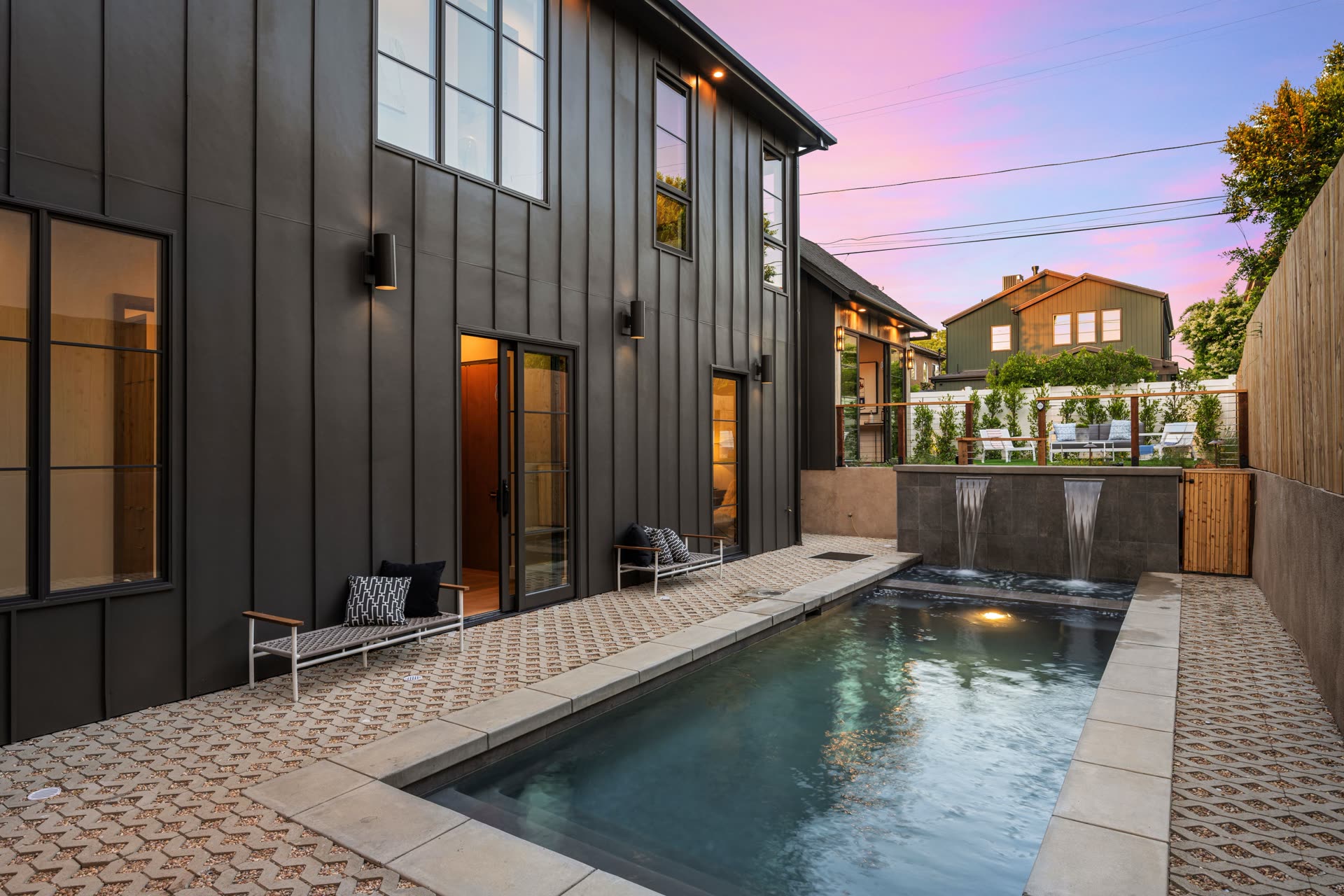
The choice of decking material is crucial for both aesthetics and safety in North Carolina. Brushed concrete offers a cost-effective, non-slip surface. Interlocking pavers provide a classic look with easier repairs. For high-end projects, travertine or natural stone offers a luxurious, cooler surface underfoot, which is a significant advantage in our hot summer sun.
Creating a Backyard Oasis
The most breathtaking properties I represent are those where the line between indoors and outdoors is blurred. This is achieved by creating a holistic backyard environment. Think beyond the pool itself to include covered verandas, dedicated lounging and dining zones, fire features for evening ambiance, and strategic landscaping that provides both privacy and seasonal color.
Pool Features and Accessories
Lighting and Sound Systems
Modern technology has transformed the pool experience. Automated LED lighting systems can be programmed with custom color shows, turning the pool into a dynamic water feature at night. Integrating this with a high-quality, weatherproof outdoor sound system, all controlled via a smartphone app, creates an immersive and sophisticated entertainment environment.
Water Features and Slides
For a truly custom feel, integrated water features like sheer descent waterfalls, deck jets, or bubbling grottos add both visual drama and soothing ambient sound. For family-focused properties, a professionally installed slide that is integrated into the landscape and rockwork can be a major highlight for younger members of the household.
Energy Efficiency and Sustainability
Solar Heating Options
Leveraging North Carolina's ample sunshine for solar pool heating is one of the most intelligent investments a pool owner can make. While the upfront cost is higher than traditional heaters, the operational cost is negligible, leading to a rapid return on investment through saved energy expenses over the life of the system.
Eco-friendly Pool Practices
Sustainability is a growing priority for my clients in the Triangle. This extends to pool ownership through several key practices: using a solar cover to drastically reduce water evaporation and heat loss, installing modern variable-speed pumps that are compliant with the latest Department of Energy standards, and utilizing water-saving cartridge filters.
Common Challenges and Solutions
Dealing with Pests and Wildlife
Proximity to North Carolina's beautiful natural areas means your pool can be attractive to more than just people. A professional pest control plan, particularly for mosquitoes, is often necessary. Maintaining proper water chemistry and circulation will deter most insects, while ensuring your safety fence is secure and without gaps will help keep frogs and other small wildlife at bay.
Managing Water Loss and Evaporation
During the peak heat of July and August, a pool can lose up to a quarter-inch of water per day due to evaporation. The most effective solution is consistent use of a pool cover, particularly a solar or liquid cover. This simple step can reduce water loss by up to 95%, conserving a valuable resource and saving money on water and chemical costs.
Addressing Noise Concerns with Neighbors
In the denser neighborhoods of Raleigh or Durham, the noise from pool equipment and activities can become a point of friction. The best solution is proactive: install a variable-speed pump that runs silently at lower speeds, enclose equipment behind an attractive sound-dampening barrier, and be mindful of local noise ordinances regarding late-night entertaining.
Making the Most of Your North Carolina Pool
Ultimately, owning a pool in North Carolina is a significant commitment of time and financial resources, but the rewards can be immeasurable. It is an investment in your property, your family, and a lifestyle of wellness and sophisticated leisure. As a real estate specialist who has overseen the transaction of countless properties featuring these aquatic assets, I have seen firsthand how a strategically planned and well-maintained pool can become the defining feature of a luxury home. It elevates a property from a mere residence to a private resort.
The decision to buy a home with a pool or to undertake a new installation requires expert guidance to navigate the intricate details of cost, value, and long-term enjoyment. A pool is far more than an item on a feature list; it is a dynamic component of your home's overall market position and your family's daily life.
Ready to explore properties that feature the ultimate backyard paradise or need strategic advice on maximizing the value of your current home with a new pool installation? Contact the Tim M. Clarke Team today. Let our unparalleled expertise in the Triangle's luxury market guide you in making a splash that adds lasting value and enjoyment to your life.
Thinking about selling? I’ll tell you what your property is really worth — no obligation.
Get My Free Home Evaluation