Mastering HVAC Systems: Your Ultimate Guide

As a Strategic Pricing Specialist (SPS) and the founder of the Tim M. Clarke Team, my 17 years navigating the complexities of the Raleigh-Durham luxury and custom home market have taught me a critical lesson: the heart of a home's comfort and a significant driver of its appraised value lies within its HVAC system. I'm Tim Clarke, and I’ve seen countless transactions hinge on the health of this single, vital component. This guide moves beyond the basics, offering you the expert insights I provide my clients. Whether you are a homeowner protecting your investment, a buyer navigating the due diligence period, or a seller aiming to maximize your property's marketability, this comprehensive overview will empower you to make strategically sound decisions regarding your HVAC needs.
Introduction to HVAC Systems
Overview of HVAC Technology
Heating, Ventilation, and Air Conditioning (HVAC) systems are the silent workhorses of a modern property, sophisticated networks responsible for creating a stable thermal envelope. Far beyond simple temperature control, these systems manage indoor air quality (IAQ) and humidity, which are critical factors for both comfort and a home's structural integrity. The trajectory of HVAC technology has been a relentless pursuit of greater energy efficiency, superior air filtration, and intuitive user control, directly impacting a property's ongoing operational costs and its overall desirability on the market.
The Evolution of HVAC Systems
The concept of climate control is ancient, but the systems we would recognize began their technological march in the early 20th century, fundamentally changing residential and commercial real estate. Willis Carrier's 1902 invention of the air conditioner was the watershed moment. From there, the advancements have been transformative for homeowners:
- 1930s: Central air conditioning began appearing in high-end residences, setting a new standard for luxury living.
- 1970s: The introduction of heat pumps offered a dual-purpose solution, providing both heating and cooling from a single unit—a feature highly relevant in the moderate climate of the Raleigh-Durham area.
- 1990s: The rise of programmable thermostats allowed homeowners to align energy usage with their lifestyle, marking a significant step in reducing utility costs.
- 2000s: The dawn of smart HVAC systems, integrated with Wi-Fi and mobile apps, delivered unprecedented control and data-driven performance insights.
Today's market is heavily focused on sustainability, with innovations like geothermal systems and advanced MERV-rated filtration becoming key selling points for environmentally conscious and health-aware buyers.
Understanding HVAC Components
From a real estate perspective, understanding the core components of an HVAC system is vital for interpreting a home inspection report. Each part plays a specific role in the system’s overall performance and longevity:
- Furnace: The primary heat source, typically natural gas or electric, that creates and distributes heated air.
- Air Conditioner: The cooling engine, which removes heat and humidity from the indoor air.
- Heat Pump: An all-in-one unit that efficiently transfers heat—moving it indoors for heating and outdoors for cooling.
- Ductwork: The circulatory system of the home; leaky or poorly insulated ductwork can be a major source of energy loss.
- Thermostat: The brain of the operation, controlling the system to maintain desired temperature setpoints.
- Air Filter: The first line of defense for IAQ, capturing airborne particulates. Its cleanliness is a key indicator of routine maintenance.
- Evaporator Coil: Located indoors, this coil absorbs heat from your home's air during the cooling cycle.
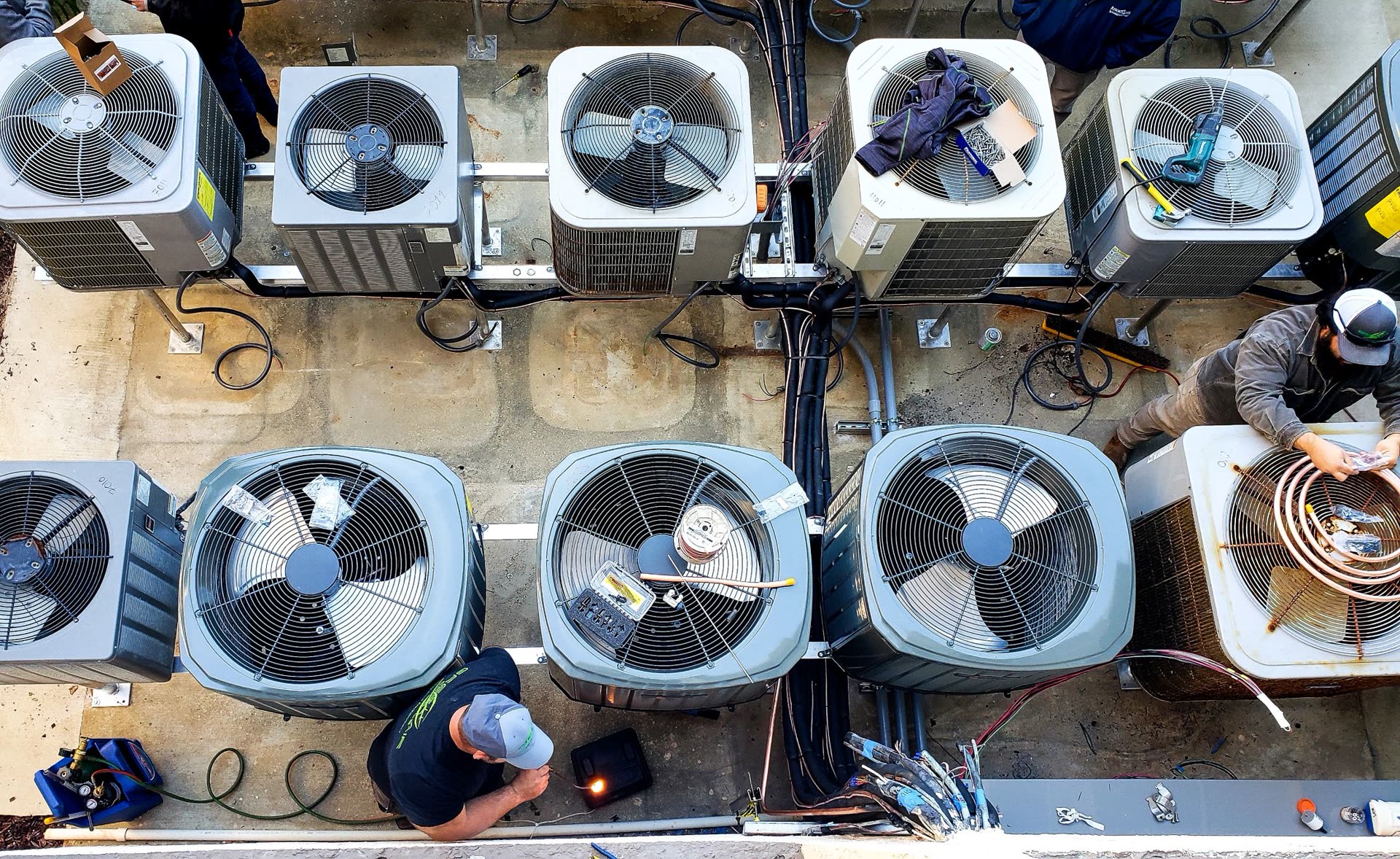
- Condenser: The outdoor unit that releases the captured heat outside.
A clear understanding of these parts empowers you to discuss a property's mechanicals confidently with home inspectors, contractors, and other real estate professionals.
Latest HVAC Technologies
Innovations in HVAC Efficiency
In today's competitive real estate market, HVAC innovation is a significant differentiator. The latest technologies offer homeowners superior comfort and control while boosting a property's value proposition through enhanced efficiency.
Smart HVAC Systems
Smart technology has fundamentally altered how we manage our homes' climates. These are not mere gadgets; they are powerful energy management tools:
- Learning Capabilities: Advanced smart thermostats, like those from Nest or ecobee, utilize algorithms to learn your household's patterns and optimize heating and cooling schedules, reducing wasted energy.
- Remote Control: The ability to adjust your home's climate from a smartphone is now a baseline expectation for many buyers, offering convenience and control.
- Energy Usage Reports: These systems provide granular data, allowing homeowners to see precisely where their energy dollars are going and make informed adjustments.
- Integration with Smart Home Ecosystems: Seamlessly connecting the HVAC to a broader home automation system (like Control4 or Savant) is a hallmark of a modern luxury property.
Renewable Energy and HVAC
The integration of renewable energy is one of the most exciting frontiers in residential HVAC and a powerful selling point:
- Solar-Powered HVAC: Leveraging photovoltaic panels to operate air conditioning units can drastically reduce dependence on the utility grid and insulate owners from fluctuating energy prices.
- Geothermal Heat Pumps: These systems use the earth's stable subterranean temperature to provide exceptionally efficient heating and cooling. While the initial investment is higher, the long-term ROI and low operating costs are a tremendous asset.
- Ice-Powered Air Conditioning: An emerging technology where energy is stored as ice during off-peak, lower-cost hours and then used to cool the building during peak demand.
These green technologies not only slash a home's carbon footprint but also offer a compelling financial narrative for savvy buyers and owners.
Energy Efficiency and Sustainability
Strategies for Reducing Energy Consumption
Maximizing the energy efficiency of your HVAC system is one of the highest-return investments a homeowner can make, directly lowering utility bills and enhancing the marketability of the property.
Insulation and Sealing
Before even touching the HVAC unit, an expert assesses the home's building envelope. Proper insulation and air sealing are foundational to efficiency, as they prevent the conditioned air you’re paying for from escaping.
- Attic Insulation: A properly insulated attic (to the recommended R-value for our climate zone) is critical to prevent heat gain in the summer and heat loss in the winter.
- Weatherstripping: Sealing air leaks around windows and doors with quality weatherstripping and caulk is a simple yet highly effective measure to reduce drafts and energy loss.
- Duct Sealing: Leaks in the ductwork, often hidden in crawlspaces or attics, can account for up to 30% of energy loss. Professional aero-sealing or mastic sealing is a crucial step.
According to the U.S. Department of Energy, these strategic improvements can cut heating and cooling costs by up to 15%—a figure that resonates powerfully with potential buyers.
Energy-Efficient HVAC Models
When it's time to replace a system, focusing on certified efficiency ratings is paramount. These are not just letters on a sticker; they are legally defined metrics of performance that translate into real-world savings.
- SEER Rating: The Seasonal Energy Efficiency Ratio measures cooling efficiency. For our region, selecting a unit that significantly exceeds the minimum SEER rating is a wise investment.
- AFUE Rating: The Annual Fuel Utilization Efficiency measures a furnace's heating efficiency. A higher AFUE percentage means less fuel is wasted.
- ENERGY STAR Certification: This government-backed label is your assurance of proven energy efficiency, a feature often highlighted in real estate listings.
While higher-efficiency models command a greater initial investment, their lower operating costs and longer lifespan deliver a superior total cost of ownership.
Maintenance and Upkeep
Routine Maintenance Tips
Consistent, documented maintenance is the key to protecting your HVAC investment, ensuring its longevity, and preventing the kinds of failures that can derail a real estate transaction.
DIY Maintenance
Homeowners can perform several essential tasks that demonstrate pride of ownership and contribute to system health:
- Change Air Filters: Consistently replacing filters every 1-3 months (depending on the type) with a quality MERV-rated filter is the single most important DIY task for maintaining IAQ and system efficiency.
- Clean Vents and Registers: Keeping supply and return vents clear of dust, furniture, and other obstructions ensures proper airflow.
- Clear Debris: The outdoor condenser unit must be kept free of leaves, grass clippings, and other debris to allow for proper heat exchange.
- Check Thermostat Batteries: Annually replacing the batteries in your thermostat prevents unexpected system shutdowns.
Professional Maintenance
Certain tasks require the expertise and specialized tools of a licensed HVAC professional and should be documented for future seller disclosures:
- Annual Tune-ups: Scheduling a professional preventative maintenance service for both the heating and cooling systems is non-negotiable. This includes cleaning coils, checking electrical connections, and ensuring all components are operating to manufacturer specifications.
- Ductwork Cleaning: A professional duct cleaning every 3-5 years can significantly improve IAQ by removing accumulated dust, allergens, and debris.
- Refrigerant Checks: A technician must verify proper refrigerant levels (e.g., R-410A), as incorrect levels drastically reduce efficiency and can damage the compressor.
A documented history of professional maintenance is a powerful asset when you decide to sell your home.
Cost Considerations and Savings
Understanding HVAC System Costs
A new HVAC system represents a significant capital improvement. As a real estate professional, I advise clients to view this not as a mere expense, but as an investment in their property's comfort, efficiency, and market value.
Initial Investment vs. Long-Term Savings
It is crucial to analyze the lifecycle cost of an HVAC system, not just the initial purchase price.
- Energy Bills: A modern, high-efficiency system can reduce monthly heating and cooling costs by 20-30% or more compared to a decade-old unit, providing immediate and ongoing ROI.
- Maintenance Costs: Newer systems are more reliable and typically require fewer repairs, lowering the total cost of ownership.
- Home Value: A new, efficient HVAC system is a major selling point that can directly increase a home's appraised value and reduce its time on the market.
Rebates and Incentives
Strategic homeowners can leverage various programs to offset the initial cost of an HVAC upgrade:
- Federal Tax Credits: Always check for current federal tax credits available for installing qualifying ENERGY STAR certified systems.
- Utility Company Rebates: Providers like Duke Energy often offer substantial rebates for upgrading to more energy-efficient models.
- State Incentives: Research North Carolina's specific programs that encourage residential energy efficiency.
These incentives can substantially reduce the net cost of the installation, accelerating your return on investment.
Choosing the Right HVAC System
Factors to Consider
Selecting the optimal HVAC system is a nuanced decision that goes far beyond brand names. It requires a strategic assessment of the property's unique characteristics.
Sizing and Capacity
In the world of HVAC, bigger is not better. Proper sizing is absolutely critical for performance and is something I always scrutinize in a home.
- Square Footage: This is a starting point, but it's only one variable.
- Climate: The system must be specified for the Raleigh-Durham region's specific heating and cooling load requirements.
- Insulation: The quality of a home's windows, insulation, and overall building envelope dramatically impacts the required system capacity.
- Professional Assessment: Insist that any contractor perform a Manual J calculation. This industry-standard load calculation is the only way to accurately determine the precise size and capacity needed. An oversized unit will short-cycle, failing to properly dehumidify the air and causing premature wear.
Type of System
The right type of HVAC system depends on the home's architecture, the owner's budget, and their long-term energy goals.
- Central Air: A conventional split-system is the standard for whole-home heating and cooling in most larger homes in our area.
- Heat Pumps: Extremely efficient for both heating and cooling, making them an excellent choice for North Carolina's moderate climate.
- Ductless Mini-Splits: A perfect solution for providing zoned heating and cooling to additions, converted attics, or older homes without existing ductwork.
- Geothermal Systems: The pinnacle of efficiency and sustainability, offering exceptional long-term value despite a higher upfront cost.
Popular HVAC Brands
While the installer's quality is paramount, brand reputation does matter in terms of reliability, parts availability, and warranty support. Many well-known brands are manufactured by a handful of parent companies. Here’s a breakdown as I see it in the field:
- Premium Tier: Brands like Carrier, Trane, and American Standard are known for robust engineering, innovative features, and strong dealer networks. They often command a higher price but are seen as long-term investments in reliability.
- Mid-Range Tier: This tier offers a fantastic balance of performance and value. Brands like Lennox, Rheem, and Ruud are workhorses, widely respected by technicians and homeowners alike, offering excellent performance for their cost.
- Value-Oriented Tier: Brands such as Goodman and Amana (a Goodman subsidiary) provide a strong value proposition, often coming with some of the best warranty coverage in the industry. While sometimes considered "builder-grade," a unit from any brand that is installed correctly by a vetted professional will perform reliably.
Ultimately, the crucial takeaway is this: A top-tier unit installed poorly will always underperform a mid-tier unit installed by a master technician. The quality of the installation is the single most important factor.
Installation and Professional Services
Selecting an HVAC Contractor
The performance of even the best HVAC unit is entirely dependent on the quality of its installation. Choosing the right contractor is one of the most critical decisions you will make.
Qualifications and Certifications
Look for verifiable credentials that prove a contractor's commitment to excellence and technical expertise:
- NATE Certification: North American Technician Excellence is the gold standard certification, signifying that a technician has demonstrated real-world, working knowledge.
- State Licenses: Verify that the contractor holds a current, valid North Carolina HVAC license (H2 or H3 classification).
- Insurance: Confirm that the contractor carries adequate general liability insurance and workers' compensation to protect you from any potential liability.
Cost of Installation
Installation costs can vary significantly, so a thorough and transparent quoting process is essential.
- Get Multiple Quotes: I always advise my clients to obtain at least three detailed, itemized quotes from reputable, well-vetted contractors.
- Understand the Scope: A proper quote, or Scope of Work (SOW), will include all aspects of the job, from equipment and labor to any necessary ductwork modifications, electrical work, and permitting fees.
- Consider Financing Options: Most reputable HVAC companies offer financing plans that can make a high-efficiency system more accessible without depleting your capital.
Final Thoughts About HVAC's
As your real estate advocate in the Raleigh-Durham Triangle, I see every day how a property's mechanical systems, particularly the HVAC, influence its story in the marketplace. A modern, well-maintained, and highly efficient HVAC system is not a feature; it's a fundamental component of a home's comfort, health, and investment-grade value. Understanding these systems is a crucial piece of homeowner education, whether you are preparing to sell, evaluating a potential purchase, or enhancing your current property.
Investing in energy efficiency and meticulous preventative maintenance is a proven strategy for generating substantial long-term savings and bolstering your home's position on the market. Navigating the complexities of how an HVAC system affects a home's value, inspection outcomes, and overall appeal requires professional expertise.
The Tim M. Clarke Team is dedicated to providing our clients with the strategic insights needed for every aspect of homeownership. If you have questions about how your HVAC system impacts your property's value or your next real estate transaction in the Triangle, we are your trusted resource. Take decisive action today to ensure your home's HVAC system is a prime asset. Your comfort, your finances, and your home's future value depend on it. Contact us for a consultation.

-p-500.png)