Thinking about selling? I’ll tell you what your property is really worth — no obligation.
Get My Free Home EvaluationIf you're buying into a Triangle neighborhood with an HOA, or you already live in one and want to understand what you're paying for, this is the plain-English breakdown. I'm a Raleigh–Durham Realtor with 18 years in this market, and I've walked hundreds of buyers through HOA communities from downtown Raleigh condos to single-family developments in Cary, Apex, and Wake Forest.
I'll cover what a homeowners association is, who runs it, what your dues do and don't buy, the real pros and cons, and what to check before you sign.
The 30-second version
- An HOA is a legal entity that maintains common areas, enforces community standards, and collects dues to pay for it all.
- An elected board of homeowners runs it, often with help from committees and a paid management company.
- Dues cover shared costs; a special assessment is a one-time charge when a big expense hits and reserves fall short.
- The upside is maintained amenities and protected property values; the trade-off is rules on what you can do to your own home.
- Before you buy, read the governing documents, check the reserve fund, and ask about recent or planned assessments.
What a homeowners association actually is
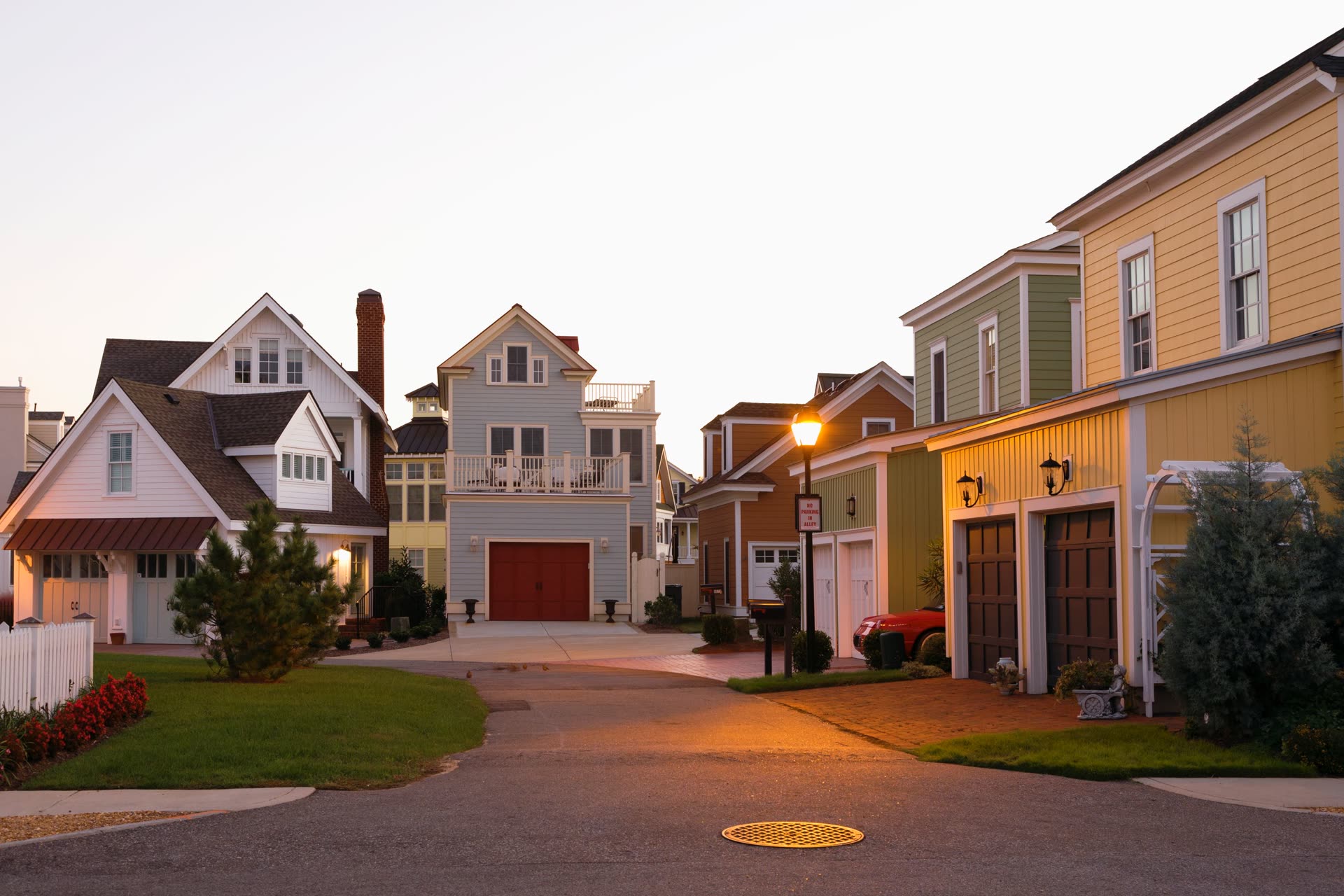
A homeowners association is a legal entity created to manage and maintain a planned community. Developers form them to keep the neighborhood consistent and protect property values. Once enough homes sell, control passes from the developer to the homeowners.
The HOA does three core jobs: it maintains the shared property (entrances, pools, common landscaping, sometimes roads), enforces the community's standards, and collects dues from every owner to fund both. Membership isn't optional. It comes attached to the property.
These communities are common across the Triangle, from condos in Raleigh to newer developments in Cary, Apex, and Wake Forest. Nationally, the Community Associations Institute estimates more than 73 million Americans live in HOA-governed communities.
Who runs the HOA
The people making the decisions are your neighbors.
The board of directors
Every HOA has an elected board of homeowners. The board sets and enforces the rules, manages the money, oversees maintenance, and handles disputes. A capable board makes community living smooth; a disorganized one creates friction fast. That's exactly why I tell buyers to look at how the board operates before they commit.
Committees
Many associations run committees to share the workload. The three you'll see most often:
- Architectural Review Committee, which approves exterior changes and home improvements.
- Landscaping Committee, which handles common-area grounds and often sets standards for individual yards.
- Social Committee, which organizes community events.
Committees are also the easiest way to get involved without running for the board.
Management companies
Some HOAs run themselves; many hire a professional management company for the day-to-day: the books, rule enforcement, maintenance coordination, and owner communication. That expertise costs money, and the cost shows up in your dues.
What your dues pay for (and what an assessment is)
The ongoing cost is the part buyers underestimate most. I'm a Realtor, not a CPA or attorney, so treat this as a starting point and confirm any numbers with the association's own financials.
Regular dues
HOA fees can run from a few hundred dollars a year to several thousand, depending on the community and its amenities. Your dues typically cover:
- Maintenance of common areas and shared amenities.
- Insurance on community property.
- Management fees, if the HOA uses a company.
- Contributions to the reserve fund for future major repairs.
Special assessments
A special assessment is a one-time charge on top of regular dues, levied when a large or unexpected expense hits (a roof replacement, road repaving, or an amenity renovation) and the reserve fund can't cover it.
A healthy reserve fund is the difference between an HOA that absorbs a surprise and one that mails you a bill for it.
Reserves and transparency
A well-run HOA keeps a detailed budget and a reserve fund for big-ticket items down the road. Communities with strong reserves ride out surprises without slamming owners with sudden fee hikes. Most associations here share annual reports and give owners access to records on request, so review those before you buy.
Thinking about selling? I’ll tell you what your property is really worth — no obligation.
Get My Free Home EvaluationWhat an HOA does and doesn't cover
A common misread is assuming the HOA maintains your home. It doesn't. It maintains what the community shares.
Usually the HOA's job
- Common areas and entrances
- Shared amenities (pool, clubhouse, fitness center, courts)
- Community landscaping
- Insurance on common property
- Sometimes private roads and exterior upkeep in condos
Still on you
- Your home's interior and (usually) exterior in single-family HOAs
- Your own homeowner's insurance
- Your yard, within the community's standards
- Following architectural and use rules
- Approvals before you modify the exterior
Exactly where the line falls lives in the governing documents, and it varies a lot between a condo and a single-family neighborhood. Nail that down before closing.
The pros and cons of HOA living
HOAs are a genuine trade-off. Whether the balance tips in your favor depends on how much you value consistency versus freedom.
The upside
- Maintained standards that help protect resale value in a competitive market
- Access to amenities most owners couldn't afford alone
- Organized events and an easier way to meet neighbors
- Someone accountable for the shared spaces
The trade-offs
- Rules on paint colors, landscaping, and visible items like satellite dishes
- Ongoing dues, plus the risk of increases or special assessments
- Potential for disputes over enforcement or how funds are used
- Less freedom to do as you please with your own property
For some buyers the restrictions are a dealbreaker; others sleep better knowing their neighbors are held to the same standards. Consistent upkeep is also part of what drives home value over the years you own.
What to check before you buy into an HOA
Due diligence here is straightforward once you know what to look at. Here's the order I walk buyers through.
- Read the governing documents.The CC&Rs, bylaws, and rules define what you can and can't do. For a full breakdown of how to read these, see my guide on how to read HOA bylaws and covenants.
- Examine the financials.Look at recent budgets, the reserve fund balance, and any history of special assessments. Thin reserves are a warning sign.
- Check the association's track record.Ask about disputes, litigation, and how consistently the rules get enforced. Uneven enforcement breeds conflict.
- Talk to current residents.Nobody knows the real feel of a community better than the people already living in it. Ask what surprised them.
My team and I help our buyers work through every one of these before they commit, so there are no surprises after closing.
Thinking about selling? I’ll tell you what your property is really worth — no obligation.
Get My Free Home EvaluationFrequently Asked Questions
Thinking about an HOA community in the Triangle, or want a second read on the one you're in? Reach out to my team and I. We know these neighborhoods and their associations, and we'll help you buy in with your eyes open.
Thinking about selling? I’ll tell you what your property is really worth — no obligation.
Get My Free Home Evaluation