Thinking about selling? I’ll tell you what your property is really worth — no obligation.
Get My Free Home EvaluationAs a real estate agent with over 17 years of experience in the Raleigh-Durham market, I've seen firsthand how updating ceiling fans can transform a home. At the Tim M. Clarke Team, we specialize in custom home building, and we know that the right ceiling fan can make a world of difference in both comfort and style. Let's dive into the world of ceiling fan updates and explore how you can enhance your living space.
Introduction to Ceiling Fan Updates
Ceiling fans are more than just spinning blades; they're an essential component of a comfortable and energy-efficient home. In the North Carolina climate, where summers can be sweltering and winters mild, a good ceiling fan is your year-round ally in maintaining a pleasant indoor environment.
Why Update Your Ceiling Fans?
Energy Efficiency Benefits
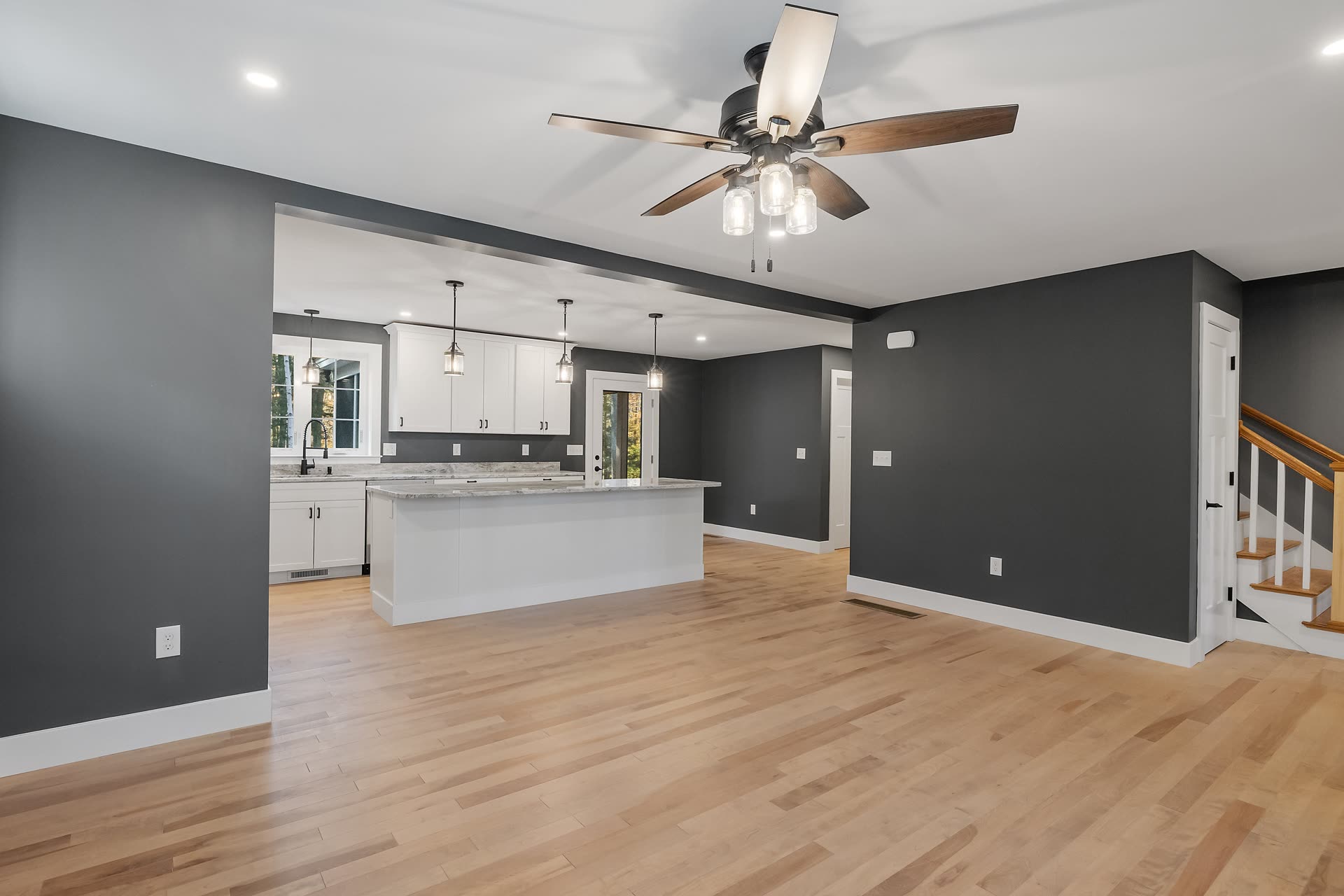
Modern ceiling fans are a far cry from their predecessors when it comes to energy efficiency. ENERGY STAR certified fans can use up to 60% less energy than traditional models. This translates to significant savings on your Duke Energy bill, especially during those peak summer months in the Triangle area.
Aesthetic Improvements
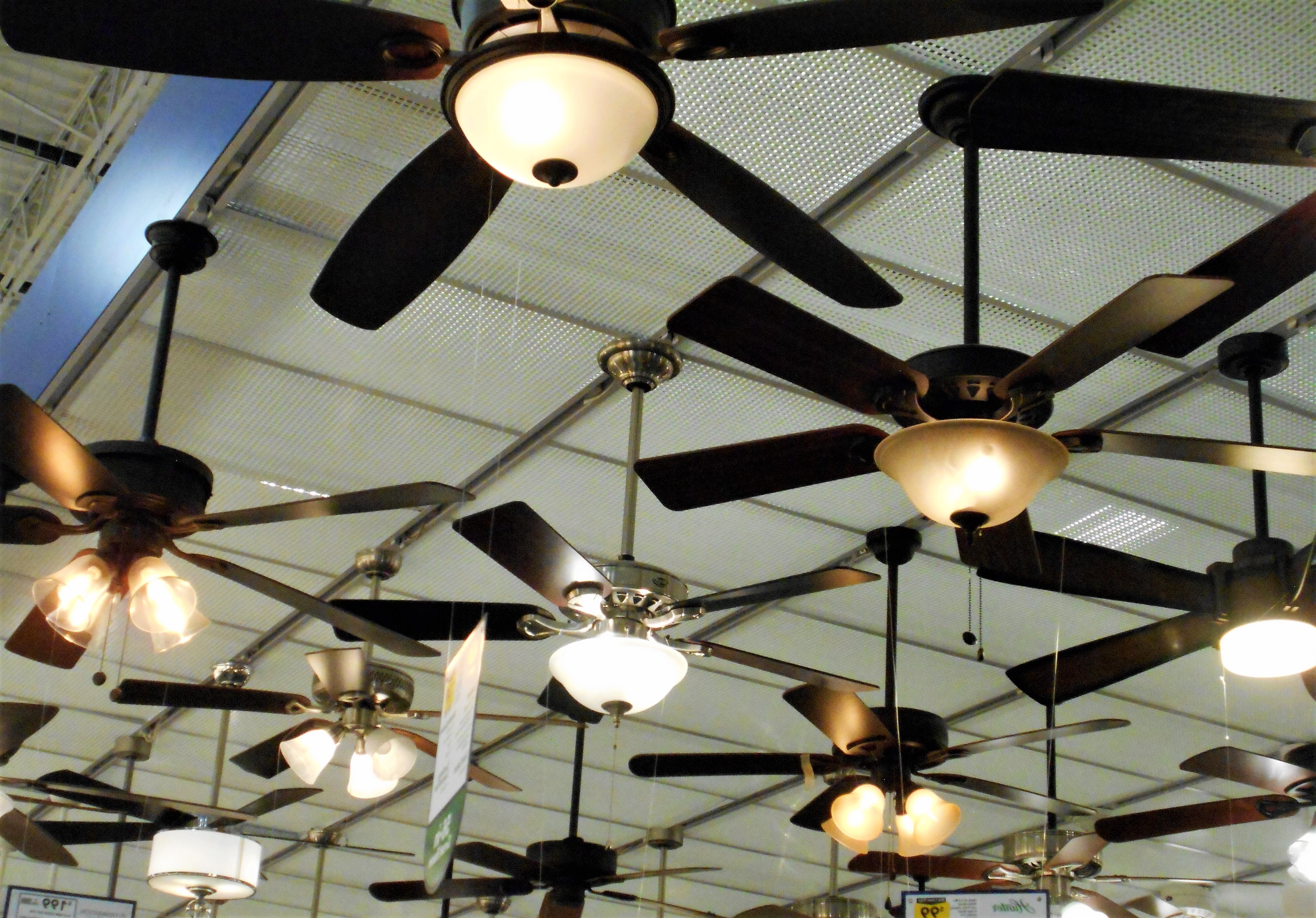
The right ceiling fan can be a stunning focal point in any room. Whether you're going for a sleek, modern look in your Cary condo or a rustic charm in your Durham farmhouse, there's a fan design to match. Brands like Hunter and Casablanca offer a wide range of styles that can complement any decor.
Technological Advancements
Smart home integration has revolutionized ceiling fans. Imagine controlling your fan with your voice through Amazon Alexa or Google Home, or adjusting it remotely via your smartphone. These features aren't just convenient; they're becoming expected in the competitive Triangle real estate market.
Assessing Your Current Setup
Evaluating Existing Wiring and Support
Before you get too excited about that new Minka-Aire fan you've been eyeing, it's crucial to assess your home's electrical setup. In older homes in Raleigh's historic districts, you might need to upgrade your wiring or install a new junction box to support a heavier, modern fan.
Measuring Your Space
Size matters when it comes to ceiling fans. A fan that's too small for your great room in Wake Forest won't effectively circulate air, while an oversized fan in your Chapel Hill bungalow's bedroom might overwhelm the space. Measure your room dimensions and ceiling height to ensure you choose the right size fan.
Choosing the Right Ceiling Fan
Selecting the perfect ceiling fan is a balance of form and function. Let's break down the key factors to consider.
Size and Proportion
Room Size Guidelines
Here's a quick guide to fan sizes based on room dimensions:
- Up to 75 sq ft: 29-36 inch blade span
- 76-144 sq ft: 36-42 inch blade span
- 144-225 sq ft: 44-50 inch blade span
- 225-400 sq ft: 50-54 inch blade span
Remember, these are general guidelines. In a custom-built home, you might opt for larger fans to make a statement in open-concept living areas.
Blade Span Considerations
The blade span affects both air circulation and aesthetics. In the Triangle's new construction homes, we're seeing a trend towards larger blade spans, even in moderately sized rooms, to create a more dramatic look.
Style and Design
Matching Your Home's Aesthetic
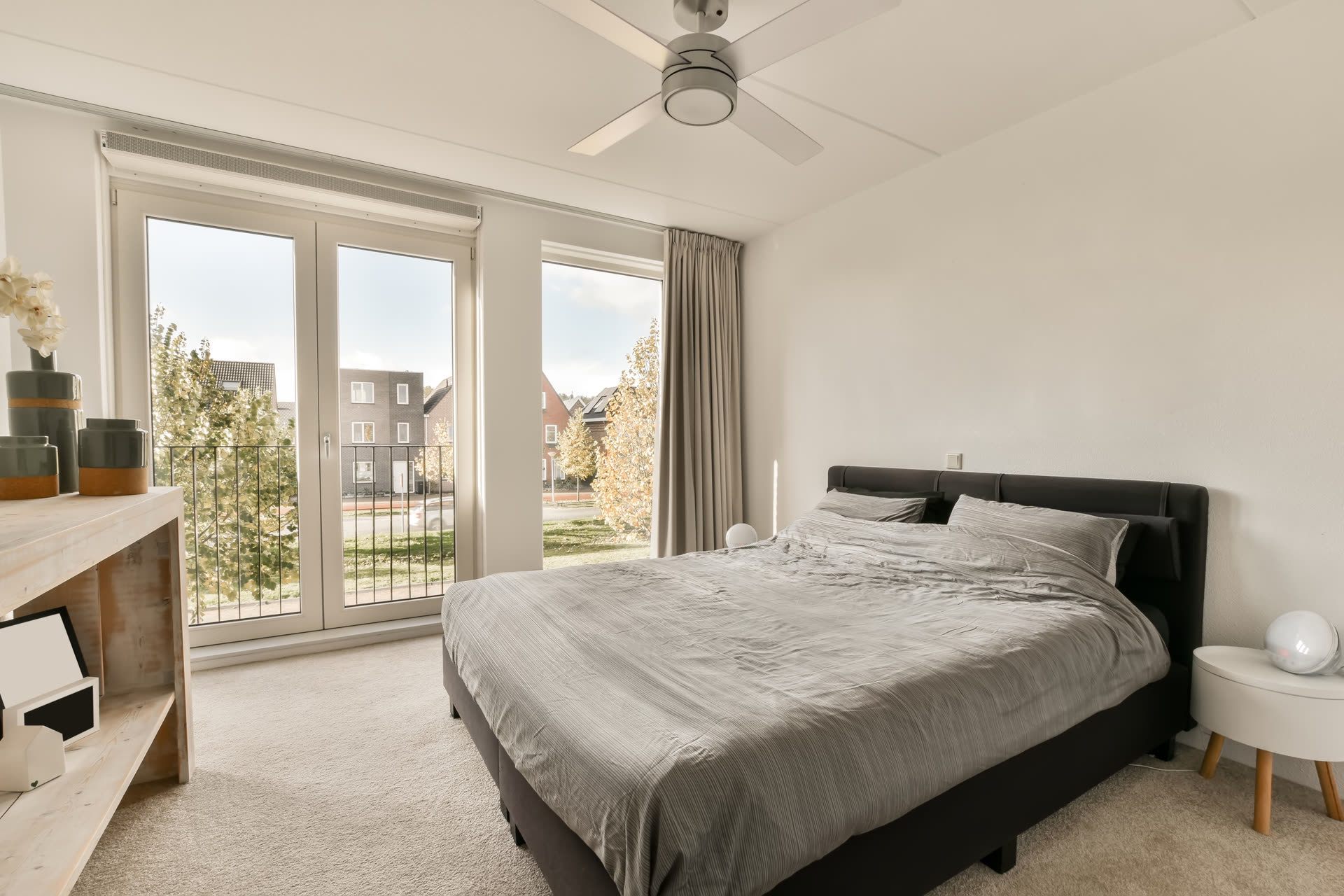
Your ceiling fan should complement your home's overall design. In a modern Apex home, a sleek, minimalist fan like those from Kichler might be perfect. For a traditional Hillsborough colonial, consider a fan with more ornate detailing from brands like Craftmade.
Popular Ceiling Fan Styles
- Industrial: Perfect for loft-style apartments in downtown Raleigh
- Farmhouse: Ideal for homes in rural Wake County
- Tropical: Great for sunrooms or homes near Jordan Lake
- Modern: Suits contemporary homes in Research Triangle Park
- Traditional: Complements historic homes in Old North Durham
Functionality Features
Lighting Options
Many modern fans come with integrated LED lighting. These are energy-efficient and long-lasting, perfect for the eco-conscious homeowner in Carrboro. Some fans offer color temperature adjustment, allowing you to switch between warm and cool light to suit your mood or the time of day.
Speed Settings and Controls
Look for fans with at least three speeds to provide optimal comfort year-round. DC motor fans offer more speed options and are quieter than traditional AC motor fans. Remote controls are standard now, but wall controls can be a nice touch, especially in bedrooms.
Smart Home Integration
Smart fans can be integrated with home automation systems like Apple HomeKit or Samsung SmartThings. This allows you to create schedules, control your fan with voice commands, or even have it respond to your local Weather Underground data.
Installation Process
While I always recommend professional installation, especially for high-end or complex systems, it's good to understand the process.
Preparation
Safety Precautions
Safety first! Always turn off power at the circuit breaker before beginning any electrical work. If you're not comfortable with electrical work, please hire a licensed electrician. In North Carolina, electrical work often requires permits and inspections, so check with your local building department.
Tools and Materials Needed
You'll typically need:
- Ladder
- Screwdrivers
- Wire strippers
- Voltage tester
- Pliers
- New junction box (if required)
- Wire nuts
Step-by-Step Installation Guide
Removing the Old Fan
Carefully disassemble and remove the old fan. Take note of how it was wired, as this can help with the new installation.
Installing the Mounting Bracket
Secure the new mounting bracket to the junction box. Ensure it's rated to support the weight of your new fan.
Wiring and Assembly
Connect the wires according to the manufacturer's instructions. Usually, this involves connecting black to black (hot), white to white (neutral), and green to bare copper (ground). Secure connections with wire nuts.
Attaching Blades and Light Fixtures
Once the fan body is securely mounted, attach the blades and any light fixtures. Make sure everything is tightened properly to prevent wobbling.
Troubleshooting Common Issues
Wobbling and Balancing
If your new fan wobbles, it might need balancing. Most fans come with a balancing kit. Alternatively, you can use small adhesive weights on the blades to correct the imbalance.
Electrical Problems
If your fan doesn't work after installation, double-check all wire connections. Ensure the wall switch is on and that the circuit breaker hasn't tripped. If problems persist, consult an electrician.
Thinking about selling? I’ll tell you what your property is really worth — no obligation.
Get My Free Home EvaluationMaintenance and Care
Proper maintenance will keep your fan running smoothly for years to come.
Regular Cleaning
Dusting Techniques
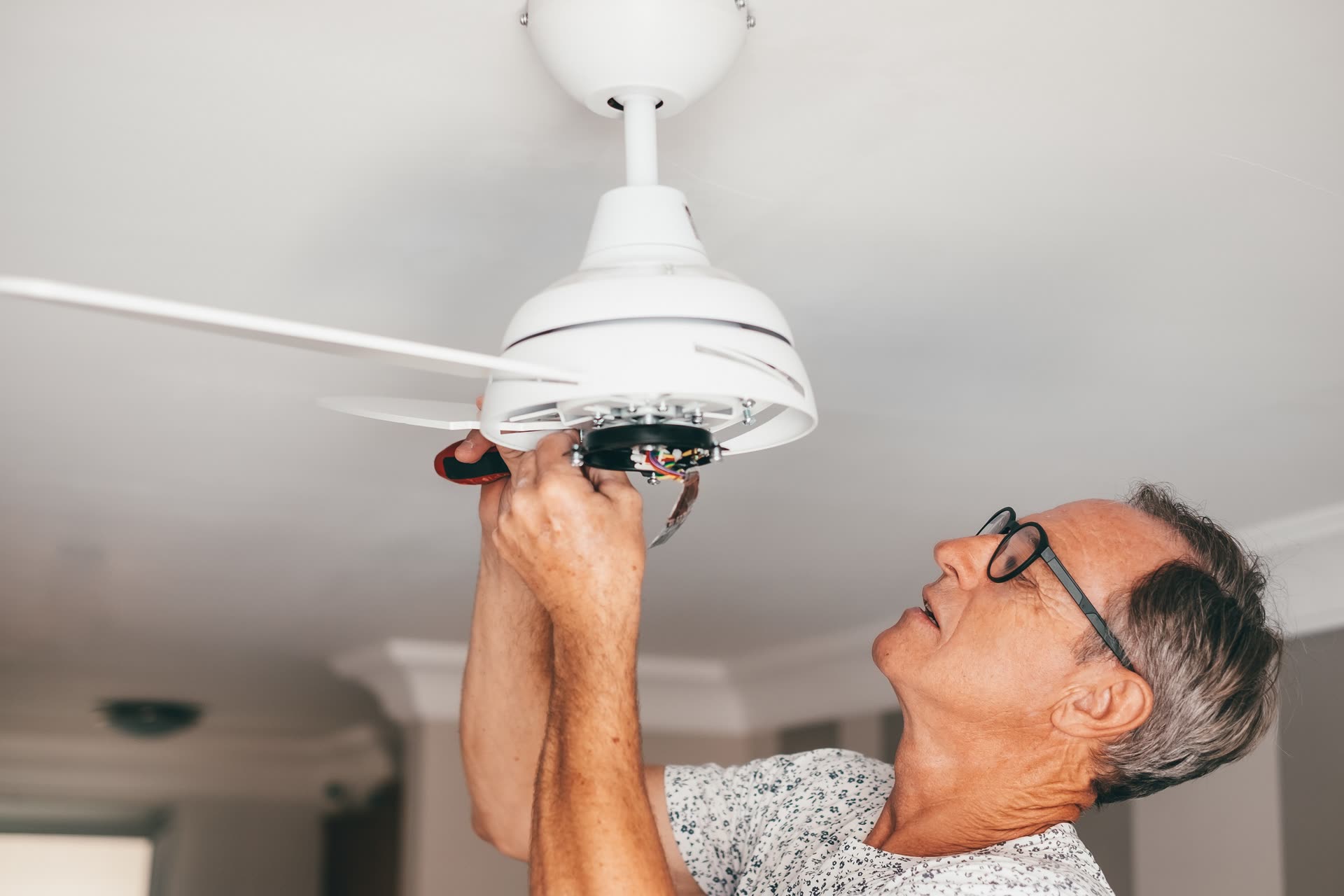
Dust your fan blades regularly with a microfiber duster or a pillowcase. This prevents dust buildup and keeps your fan looking great and running efficiently.
Deep Cleaning Methods
For a deeper clean, use a mild soap solution and a damp cloth. Be careful not to get water into the motor housing. For wooden blades, use wood-specific cleaners to maintain their finish.
Seasonal Adjustments
Optimizing for Summer
In summer, set your fan to rotate counterclockwise. This creates a downdraft, providing a cooling effect. This is especially important in our humid North Carolina summers.
Winter Settings for Energy Efficiency
In winter, reverse the fan direction to clockwise. This pushes warm air down from the ceiling, helping to distribute heat evenly throughout the room.
When to Seek Professional Help
Signs of Wear and Tear
If you notice excessive noise, wobbling that can't be corrected with balancing, or any burning smells, it's time to call a professional. These could be signs of motor wear or electrical issues.
Upgrading Electrical Components
If you're considering upgrading to a heavier fan or adding new features like smart controls, consult an electrician. They can ensure your home's wiring can support these upgrades safely.
Energy Savings and ROI
Calculating Energy Savings
Comparing Old vs. New Models
Modern, energy-efficient fans can save you up to 40% on cooling costs compared to older models. In a typical Triangle home, this could mean savings of $100-$300 per year on your energy bill.
Impact on HVAC Efficiency
Using ceiling fans in conjunction with your HVAC system can allow you to raise your thermostat by about 4°F without affecting comfort. This can lead to significant savings, especially during North Carolina's hot summers.
Return on Investment
Cost vs. Long-term Savings
While a high-quality ceiling fan might cost $200-$600, the energy savings and increased comfort can offset this cost within a few years. Plus, in the Triangle's competitive real estate market, updated fixtures can be a selling point.
Increased Home Value
Energy-efficient upgrades like modern ceiling fans can increase your home's value. In the Raleigh-Durham area, where energy costs are a consideration for many buyers, these updates can make your home more attractive to potential purchasers.
Maximizing Your Ceiling Fan Update
As a real estate agent who's helped countless clients buy and sell homes in the Triangle, I can't stress enough the impact that thoughtful updates like ceiling fans can have. They're not just about moving air; they're about creating a comfortable, efficient, and stylish living space.
When you're ready to update your ceiling fans, consider both the immediate benefits and the long-term value. Choose fans that complement your home's style, whether that's a sleek modern design for your Morrisville tech hub home or a classic look for your Fuquay-Varina farmhouse. Opt for energy-efficient models with smart features to appeal to today's tech-savvy buyers.
Remember, while DIY installation can be tempting, professional installation ensures safety and optimal performance. This is particularly important if you're updating to smart fans or need to modify existing wiring. In the Triangle's older neighborhoods, like those in Historic Oakwood or Cameron Park, electrical upgrades might be necessary and are best left to the pros.
Ultimately, a well-executed ceiling fan update can provide comfort, energy savings, and aesthetic appeal, making it a worthwhile investment for any homeowner. Whether you're looking to sell soon or just want to enhance your living space, updating your ceiling fans is a smart move in our North Carolina climate.
If you're considering selling your home or are in the market for a new property in the Raleigh-Durham area, don't hesitate to reach out to the Tim M. Clarke Team. We'd be happy to discuss how updates like ceiling fans can impact your home's value and marketability. Let's work together to make your real estate dreams a reality in the beautiful Triangle region.
Thinking about selling? I’ll tell you what your property is really worth — no obligation.
Get My Free Home EvaluationFrequently Asked Questions about Ceiling Fans
What size ceiling fan do I need for my room?
The size of your ceiling fan depends on your room's square footage. For rooms up to 75 sq ft, choose a 29-36 inch fan. For 76-144 sq ft, go for 36-42 inches. Rooms 144-225 sq ft need 44-50 inch fans, while larger spaces of 225-400 sq ft require 50-54 inch fans. In the Triangle area, we often see homeowners opting for slightly larger fans to make a statement in open-concept living areas.
Can I install a ceiling fan where a light fixture currently exists?
In most cases, yes. However, you'll need to ensure the electrical box can support the weight of a ceiling fan. In older Raleigh homes, you might need to install a new, fan-rated box. It's best to consult with a licensed electrician, especially if you're dealing with older wiring common in historic districts like Oakwood.
How much energy can I save by updating to a new ceiling fan?
Modern, ENERGY STAR certified fans can use up to 60% less energy than older models. In a typical Triangle home, this could translate to savings of $100-$300 per year on your Duke Energy bill, especially when used in conjunction with your HVAC system.
Are smart ceiling fans worth the investment?
For many Triangle homeowners, smart fans are definitely worth it. They offer convenience through voice control or smartphone apps, can be integrated with other smart home devices, and can even respond to local weather conditions. In the competitive Raleigh-Durham real estate market, smart home features are increasingly attractive to buyers.
How often should I clean my ceiling fan?
To maintain efficiency and prevent dust buildup, aim to clean your fan blades at least once a month. In North Carolina's allergy-prone seasons, you might want to clean more frequently. A simple wipe-down with a microfiber cloth or duster is usually sufficient for regular maintenance.
Can ceiling fans help in the winter?
Absolutely! By reversing the blade direction to clockwise in winter, ceiling fans can help distribute warm air that naturally rises to the ceiling. This can make your home feel warmer without raising the thermostat, potentially saving on heating costs during Triangle winters.
Do I need a professional to install my new ceiling fan?
While DIY installation is possible for those with electrical experience, professional installation is recommended, especially for heavier fans or those with complex features. In areas like Historic Oakwood or Cameron Park, where homes might have older wiring, professional installation is crucial for safety and proper function.
How long do ceiling fans typically last?
With proper maintenance, a quality ceiling fan can last 15-20 years. However, in the fast-evolving Triangle real estate market, many homeowners choose to update their fans more frequently to keep up with design trends and take advantage of new energy-efficient technologies.
Can I add a light kit to my existing ceiling fan?
In most cases, yes. Many ceiling fans are designed to accommodate light kits. However, you'll need to ensure your fan model is compatible with the light kit you choose. Some newer fans in Research Triangle Park area homes come with integrated LED lights that can't be easily replaced or modified.
How much value does updating ceiling fans add to my home?
While it's hard to put an exact dollar figure on the value added by new ceiling fans, they can certainly contribute to your home's overall appeal. In the Raleigh-Durham market, energy-efficient fixtures and smart home features are increasingly important to buyers. Updated fans can help create a move-in ready impression that could lead to a faster sale or even a higher offer.
Thinking about selling? I’ll tell you what your property is really worth — no obligation.
Get My Free Home Evaluation