
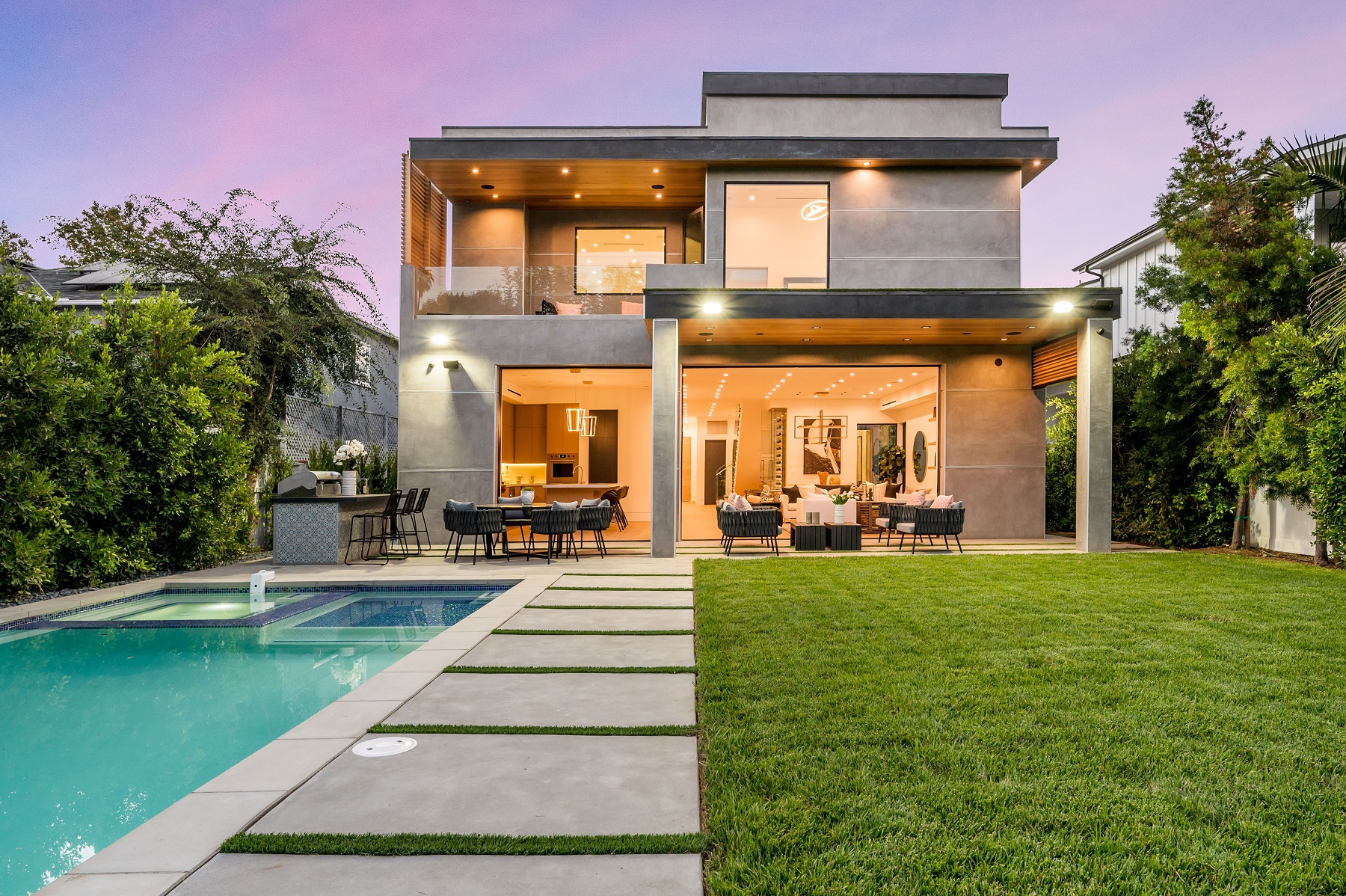
Selling Your Mansion in North Carolina: Key Considerations for Choosing the Right Listing Agent

In the rarified world of ultra-high-net-worth real estate transactions, where properties command seven and eight-figure valuations, the margin for error is virtually nonexistent. As the founder of the Tim M. Clarke Team with the Jim Allen Group at Coldwell Banker HPW—consistently ranked among the Triangle's top-producing luxury specialists with over $800M in combined sales volume—I've orchestrated the successful disposition of some of North Carolina's most distinguished estates. Our comprehensive expertise spans custom estate development, luxury residential portfolios, and sophisticated commercial ventures, positioning us uniquely to navigate the intricate landscape of North Carolina's premier property market.
The selection of your listing representation will fundamentally determine whether your mansion achieves its maximum market potential or languishes as another overpriced listing that ultimately sells below its true value. Here's what I see happen constantly: a seller interviews three agents, picks the one who promises the highest price, and six months later they're accepting an offer $400,000 below what a properly positioned property should have commanded from day one. In today's hyper-competitive luxury sector, where qualified buyer pools remain finite and marketing sophistication separates successful dispositions from failed attempts, the expertise of your chosen agent becomes the critical variable in your transaction's outcome.
Introduction to Selling Luxury Properties in North Carolina
The North Carolina luxury real estate ecosystem operates within a distinctly different paradigm than conventional residential markets, governed by unique liquidity constraints, specialized financing mechanisms, and buyer demographics that demand unprecedented levels of market sophistication. From the meticulously planned communities of North Hills and Brier Creek to the waterfront estates dotting Jordan Lake and Falls Lake, our state's luxury inventory represents a diverse portfolio of architectural styles, price points, and lifestyle propositions that attract discerning purchasers from across the globe.
What many sellers don't immediately grasp is how macro-economic factors—federal tax policy changes, mortgage interest deductibility caps, fluctuating jumbo loan rates, and regional job growth in high-paying sectors—directly impact your property's competitive position. A $3.5M estate in North Raleigh competes not just against similar Triangle properties, but against luxury real estate opportunities in Charleston, Nashville, and Austin where relocating tech executives and venture capitalists are weighing comparable lifestyle value propositions.
The North Carolina luxury market's resilience during economic volatility stems largely from our state's diversified economic base, favorable tax environment compared to northeastern states, and continued population growth among high-income demographics. Research Triangle Park continues attracting Fortune 500 headquarters, biotech firms, and pharmaceutical companies—each bringing executives seeking custom estates within 20-minute commutes to their corporate campuses. This employment stability creates sustained demand even when national luxury markets contract.
The North Carolina Luxury Real Estate Landscape
Overview of the NC Luxury Market
The North Carolina luxury real estate sector has demonstrated remarkable appreciation rates and transaction velocity over recent market cycles, with properties exceeding $2M experiencing double-digit growth in key metropolitan areas. Metropolitan Statistical Areas (MSAs) including Raleigh-Durham-Chapel Hill, Charlotte-Concord-Gastonia, and Asheville have attracted substantial capital influx from relocating executives, venture capitalists, and international investors seeking primary residences, secondary homes, and investment properties.
After nearly two decades working this market, I can tell you the buyer profile has evolved dramatically. Current market analytics reveal pronounced buyer preferences for estates featuring expansive outdoor entertaining spaces—we're talking summer kitchens with Lynx or Kalamazoo grills, pizza ovens, and full beverage centers—dedicated home office suites with commercial-grade fiber connectivity (minimum 1Gbps symmetrical), and comprehensive smart home integration utilizing Control4 or Crestron systems.
Today's luxury purchasers prioritize properties offering both aesthetic refinement and functional versatility. I recently closed a $4.2M custom estate in Preston specifically because it featured LEED Silver certification, a geothermal HVAC system that cut utility costs by 60%, and comprehensive IP-based security infrastructure including monitored access control and 4K surveillance networks covering every entry point. These aren't nice-to-have amenities anymore—they're baseline expectations for discerning buyers.
The luxury market's performance metrics tell a revealing story. Average days-on-market range from 45-90 days for properly priced properties, significantly faster than the 180+ day averages typical of overpriced luxury listings. Price-per-square-foot calculations in premier neighborhoods now command $300-$800+ depending on location, architectural pedigree, and finish quality. A David W. Spence custom home in North Ridge Country Club commands dramatically different per-foot pricing than a production luxury home in a standard subdivision, even if both hit the market at similar total prices.
Regional Hotspots for Luxury Homes
Strategic luxury property concentrations have emerged in specific micro-markets characterized by superior school districts, proximity to employment centers, and established infrastructure supporting high-end lifestyles:
The Research Triangle: This innovation corridor encompassing Wake, Durham, and Orange counties hosts North Carolina's highest concentration of luxury properties exceeding $3M. The region's robust employment base in biotechnology, pharmaceuticals, and technology sectors continues attracting C-suite executives and entrepreneurs seeking custom estates in exclusive enclaves such as Preston, North Ridge Country Club, and Governors Club.
What makes The Triangle unique is the school district influence—properties in top-rated Wake County districts like Green Hope High or Leesville Road High command premium pricing regardless of home age. I've watched clients choose smaller estates in premier school zones over significantly larger properties just miles away in different attendance areas. That's a $200,000-$400,000 swing based purely on school assignment.
Lake Norman Region: Positioned strategically north of Charlotte's financial district, this area offers premier waterfront estates and golf course communities including The Point, Trump National Charlotte, and Peninsula Club. Properties featuring deep-water boat slips accommodating 40+ foot vessels, infinity pools with automated covers and heating, and separate guest houses regularly command $2M-$15M+ price points, attracting professional athletes, banking executives, and successful entrepreneurs who want weekend retreat capability without leaving North Carolina.
Greater Asheville Mountains: The Blue Ridge luxury market has evolved into North Carolina's premier destination for luxury recreational properties, with architectural masterpieces incorporating passive solar design elements and spectacular Blue Ridge vistas. Buyers seeking primary or secondary residences gravitate toward communities like Biltmore Forest, Connestee Falls, and The Cliffs where properties featuring temperature-controlled wine cellars (I'm talking proper 55°F/70% humidity environments for serious collectors), indoor pools, and guest accommodations command premium valuations.
Cape Fear Coastal Region: Wrightsville Beach, Figure Eight Island, and historic Wilmington represent North Carolina's most prestigious coastal luxury markets, where oceanfront estates and historic mansions attract both local ultra-high-net-worth individuals and international buyers seeking vacation homes or 1031 exchange investment properties. Hurricane-resistant construction—impact-rated windows, reinforced roof systems, elevated foundations exceeding FEMA base flood elevation requirements—has become non-negotiable for coastal luxury buyers.
The Role of a Listing Agent in Selling Your Mansion
In luxury real estate transactions, your listing agent functions as lead strategist, brand manager, and transaction coordinator, orchestrating complex marketing campaigns while managing intricate negotiations and sophisticated closing procedures. The agent's expertise directly impacts your property's market positioning, buyer quality, and ultimate sale price—often determining hundreds of thousands of dollars in final proceeds.
Here's the reality: a 1% difference in negotiated price on a $5M property represents $50,000 in your net proceeds. A premier luxury specialist serves as your fiduciary advocate, leveraging extensive market intelligence, professional networks, and marketing resources to ensure optimal property exposure among qualified buyers. This includes coordinating with luxury affiliates across international markets, managing confidentiality requirements for high-profile sellers, and navigating complex contractual structures common in high-value transactions—entity purchases through LLCs, 1031 exchange coordination, seller financing structures.
Marketing and Promotion Strategies
Contemporary luxury marketing demands sophisticated multi-channel campaigns that extend far beyond traditional MLS exposure and newspaper advertising. Clients often ask why they can't just list on Zillow and call it a day. The answer is simple: qualified luxury buyers aren't shopping on consumer portals—they're working with buyer's agents, browsing curated luxury networks, and responding to targeted outreach from specialists who understand their acquisition criteria.
A top-tier luxury specialist develops comprehensive marketing strategies incorporating professional visual content creation including HDR photography that properly captures architectural details in challenging lighting conditions, cinematic videography (we're talking 4K footage with gimbal stabilization and professional editing, not iPhone walkthroughs), and aerial drone cinematography showcasing architectural details, landscaping, and property context within the surrounding neighborhood. Matterport 3D virtual tours and interactive floor plans enable remote property exploration for out-of-state and international prospects—critical when you're targeting relocating executives who need preliminary property evaluation before committing to Triangle market visits.
Targeted digital advertising campaigns utilizing sophisticated demographic and psychographic targeting reach high-net-worth individuals through luxury lifestyle publications, private banking partnerships, and exclusive buyer networks. Search engine optimization (SEO) and pay-per-click (PPC) campaigns ensure maximum online visibility among qualified prospects searching for specific luxury property criteria. We've generated qualified buyer inquiries from as far as Silicon Valley and Manhattan through properly targeted digital campaigns that conventional residential agents simply don't understand how to execute.
Exclusive marketing partnerships with luxury real estate networks including Christie's International, Sotheby's International Realty, and Leading Real Estate Companies of the World provide global property exposure and cross-referral opportunities. These aren't just logo placements—they're active referral networks where a Manhattan luxury specialist working with a relocating pharmaceutical executive immediately thinks of our Triangle listings.
At the Tim M. Clarke Team, our proprietary marketing system combines cutting-edge technology with traditional luxury marketing channels, ensuring your property receives maximum qualified exposure while maintaining the discretion and exclusivity that luxury sellers demand.
Negotiation and Closing Processes
Luxury real estate negotiations involve complex deal structures, sophisticated financing arrangements, and intricate contingency management requiring advanced negotiation skills and transaction expertise. A skilled luxury specialist will navigate sophisticated negotiation dynamics including multiple offer scenarios, complex financing approvals through portfolio lenders or asset-based lending programs, and extensive due diligence periods while protecting seller interests and maintaining transaction momentum.
I've managed transactions where buyers required 45-60 day due diligence to coordinate architectural inspections, environmental assessments, septic capacity evaluations, and comprehensive mechanical system analysis. Without proper expectation setting and timeline management, these extended evaluation periods create seller anxiety and potential transaction collapse. Coordinate with specialized professionals including real estate attorneys specializing in high-value transactions, certified luxury appraisers familiar with unique property valuation methodologies, and comprehensive property inspection teams ensuring smooth transaction progression through closing.
Manage confidentiality protocols essential for high-profile sellers requiring discretion throughout the marketing and sale process, including non-disclosure agreements for property access and controlled access procedures that prevent public knowledge of the sale. I've represented professional athletes, corporate executives, and public figures where transaction confidentiality was absolutely critical to protecting their privacy and security.
Facilitate complex closing procedures involving sophisticated financing structures, title insurance policies exceeding standard coverage limits (we're talking $5M-$10M+ title policies with enhanced coverage endorsements), and comprehensive property warranties protecting both buyer and seller interests. Escrow account management for luxury transactions often involves coordinating multiple wire transfers, IRS reporting requirements for large transactions, and ensuring proper deed recordation with enhanced legal descriptions.
Key Factors to Consider When Choosing a Listing Agent
Selecting appropriate luxury representation requires comprehensive evaluation of agent credentials, market performance, and transaction expertise specific to high-value property sales. The wrong agent selection can result in extended marketing periods, reduced sale prices, and compromised transaction outcomes that cost you significantly more than any commission differential you might have negotiated.
Experience and Expertise in Luxury Real Estate
Evaluating an Agent's Track Record
Due diligence on potential listing agents should include comprehensive analysis of recent luxury sales performance, including average days-on-market, list-to-sale price ratios, and total transaction volume in your specific price range and geographic area. Luxury market expertise cannot be assumed—it must be demonstrated through verifiable sales history and client testimonials from sellers whose properties actually compare to yours.
Don't just accept generic claims about "luxury experience." Ask for specific MLS numbers of comparable transactions they've closed in the past 24 months. At the Tim M. Clarke Team, our luxury market credentials include over $500M in closed transactions, with average list-to-sale price ratios exceeding 98% and average marketing periods under 60 days. Our team's expertise encompasses custom estate sales ranging from $2M-$25M+, with particular specialization in architecturally significant properties and luxury developments throughout the Triangle region.
Evaluate agent credentials including luxury certifications (CLHMS - Certified Luxury Home Marketing Specialist, CRS - Certified Residential Specialist, GRI - Graduate REALTOR Institute), professional affiliations with organizations like the Institute for Luxury Home Marketing, and continuing education specific to high-value transaction management. Luxury market expertise requires ongoing investment in professional development and market intelligence—agents who haven't invested in specialized luxury education rarely possess the sophisticated knowledge required for optimal results.
Understanding of the Local Luxury Market
Deep market intelligence represents a critical differentiator among luxury specialists. Your listing agent should provide comprehensive insights regarding current market dynamics including recent comparable sales, active inventory analysis, and buyer demographic trends specific to your property type and price range.
After 18 years in The Triangle, I can tell you precisely what's moving and what's sitting. Sophisticated pricing strategies must reflect current market conditions while positioning your property competitively among similar luxury offerings. This means understanding that a $3.8M estate in North Ridge competes directly with new construction at $3.5M in Brier Creek—and knowing exactly which buyer segment each property attracts.
Buyer qualification processes and financing trends affecting luxury property purchases have evolved dramatically. I'm seeing increasing prevalence of portfolio lending where private banks evaluate the borrower's entire investment portfolio rather than applying conventional debt-to-income (DTI) ratios, asset-based financing for buyers with substantial illiquid wealth, and international buyer considerations including FIRPTA withholding requirements and foreign national mortgage programs requiring 30-40% down payments.
Our team maintains comprehensive market databases and professional relationships enabling real-time market analysis and strategic decision-making throughout your property's marketing and sale process.
Marketing Prowess and Global Reach
Assessing Marketing Strategies
Contemporary luxury marketing requires sophisticated digital expertise combined with traditional luxury marketing channels. Evaluate potential agents based on digital marketing sophistication including professional website presence optimized for luxury property search, social media engagement on platforms where high-net-worth individuals actually spend time (Instagram, LinkedIn, not just Facebook), and search engine optimization targeting luxury property buyers searching for specific features and locations.
Visual content quality separates exceptional luxury marketing from mediocre attempts. Review professional photography portfolios to ensure agents work with specialists who understand architectural photography—proper perspective correction, HDR exposure blending, twilight exterior shots that showcase architectural lighting. Videography capabilities should include cinematic editing with professional voiceover or carefully curated music, not amateur smartphone footage.
Technology integration such as virtual reality tours, interactive property websites with embedded Matterport scans and detailed feature descriptions, and sophisticated CRM systems for buyer relationship management ensure no qualified prospect falls through the cracks.
The Tim M. Clarke Team employs comprehensive digital marketing strategies including award-winning luxury property websites, targeted social media campaigns reaching verified high-net-worth audiences, and sophisticated lead generation systems ensuring maximum qualified buyer exposure.
International Buyer Networks
North Carolina luxury properties attract significant international investment, particularly from buyers in Canada, Europe, and Asia seeking vacation homes, investment properties, or U.S. residential bases for children attending Triangle universities. A luxury specialist with international capabilities can significantly expand your buyer pool and often achieve higher sale prices by accessing buyers whose capital isn't constrained by U.S. mortgage markets.
I've closed transactions with buyers from Toronto, London, Shanghai, and Mumbai—each requiring different legal structures, financing approaches, and closing procedures. Our team's international partnerships include luxury affiliates in major global markets, providing property exposure to international high-net-worth individuals and investment groups evaluating U.S. real estate opportunities. International marketing requires sophisticated understanding of foreign buyer financing (typically all-cash or 30-40% down payment minimums), legal structures like establishing U.S. LLCs for property ownership, and tax implications including FIRPTA compliance and foreign investment reporting.
Legal and Financial Acumen
Knowledge of NC Real Estate Laws
Luxury real estate transactions involve complex legal considerations including sophisticated financing structures, entity purchases (LLC, trust, corporation), and comprehensive due diligence requirements. Your listing agent should demonstrate thorough understanding of North Carolina real estate law, particularly regulations affecting high-value transactions and disclosure requirements.
North Carolina's due diligence system differs fundamentally from inspection contingency structures in other states. Buyers pay non-refundable due diligence fees upfront for the right to conduct property evaluations during a negotiated timeframe—I typically see $10,000-$50,000 due diligence fees on luxury transactions, with 30-45 day due diligence periods for complex properties requiring extensive evaluation.
Our team collaborates with specialized real estate attorneys experienced in luxury transaction management, including 1031 exchange facilitation for investment property sellers deferring capital gains, complex closing structures involving multiple properties or entity transfers, and international buyer legal requirements including ITIN applications and LLC formation for foreign nationals.
Experience with Complex Financial Transactions
Luxury buyers often utilize sophisticated financing strategies including portfolio lending where J.P. Morgan Private Bank or Bank of America Private Bank evaluate total wealth rather than W-2 income, asset-based lending secured by investment portfolios, bridge financing for buyers selling previous residences, and international money transfers requiring AML (Anti-Money Laundering) compliance and documentation.
At the Tim M. Clarke Team, our extensive experience with high-value transactions includes coordination with private banks, portfolio lenders, and international financial institutions ensuring smooth financing approval and closing processes. I maintain direct relationships with luxury mortgage specialists at major private banks who can structure jumbo loans exceeding $3M with competitive terms for qualified buyers—relationships that often mean the difference between a transaction closing successfully or falling apart during financing approval.
The Interview Process: Questions to Ask Potential Listing Agents
Preparing for Agent Interviews
Comprehensive agent evaluation requires structured interview processes designed to assess luxury market expertise, marketing capabilities, and transaction management skills. Preparation should include research on each agent's recent luxury sales (check MLS sold data in your price range), marketing materials quality, and professional credentials.
Don't schedule back-to-back interviews. Give yourself time to absorb each presentation and evaluate whether the agent truly understands your specific property and market position.
Key Questions About Experience and Strategy
Essential interview questions should evaluate agent qualifications and proposed marketing strategies. These aren't casual conversation—they're due diligence questions designed to separate legitimate luxury specialists from conventional agents stretching into price ranges beyond their expertise:
"What is your average list-to-sale price ratio for properties in my price range over the past 24 months?" Anything below 96% suggests pricing problems or weak negotiation skills.
"How many luxury properties exceeding $2M have you successfully closed in my specific market area during the past year?" You want specific numbers and addresses you can verify.
"What comprehensive marketing strategy would you recommend for my specific property, including digital marketing, print advertising, and network exposure?" Generic answers suggesting "we'll put it on the MLS and run some Facebook ads" are immediate disqualifiers.
"Can you provide references from recent luxury sellers who can speak to your transaction management and marketing effectiveness?" Then actually call those references and ask specific questions about communication, marketing execution, and negotiation performance.
"What is your approach to buyer qualification and how do you ensure showing appointments represent genuine purchase prospects?" You want agents who require pre-approval letters from reputable lenders and conduct qualification conversations before scheduling property access—not agents who give your gate code to every curious looky-loo.
Discussing Commission Structures and Contracts
Luxury commission structures often vary from standard residential rates, reflecting additional marketing investments, extended transaction timelines, and specialized service requirements. Important contractual considerations include commission percentage and fee structure—typical luxury commissions range 5-6% total (split between listing and buyer agents), though some ultra-luxury properties negotiate different terms.
Marketing investment commitments should be clearly specified: professional photography costs ($1,500-$3,000 for luxury shoots), videography ($3,000-$8,000 for cinematic production), advertising budgets for luxury publications and digital campaigns, and luxury network fees for Christie's International or Sotheby's International exposure.
Listing agreement duration and termination provisions need careful consideration. I typically recommend six-month initial listing periods for luxury properties, with performance review at 90 days. This provides sufficient marketing time while ensuring accountability. Be wary of agents demanding 12-month exclusive terms—that's often a red flag suggesting they're planning to list your property and forget about it.
Exclusive vs. co-listing arrangements and referral fee structures can affect overall transaction costs when buyer's agents are involved or when international referrals generate the eventual purchaser.
Red Flags to Watch Out For
Lack of Luxury Market Experience
Concerning indicators suggesting insufficient luxury market expertise include inability to provide recent comparable sales data for properties in your price range and market area without scrambling to pull generic MLS printouts during your meeting.
Unfamiliarity with luxury marketing requirements including high-end photography vendors, luxury publication advertising opportunities (you should hear mentions of Estates & Homes, Luxury Home Magazine, duPont REGISTRY), and exclusive buyer networks signals an agent who's guessing rather than operating from established systems.
Lack of professional relationships with luxury market specialists including MAI-certified appraisers experienced in high-value property valuation, luxury stagers familiar with high-end furnishings and design, and high-end contractors capable of addressing pre-listing improvements or buyer inspection issues.
Generic marketing approaches that fail to differentiate luxury properties from standard residential offerings—if they're describing the same marketing plan they'd use for a $400,000 subdivision home, run.
Poor Communication or Responsiveness
Effective communication becomes critical in luxury transactions involving sophisticated buyers, complex negotiations, and time-sensitive decisions. Warning signs include delayed response times to initial inquiries or follow-up questions—if an agent takes 24-48 hours to respond during the courtship phase when they're trying to win your business, imagine how responsive they'll be once they have your signature.
Disorganized presentation materials or lack of preparation during initial consultation meetings. I've heard horror stories about agents showing up to luxury listing presentations with zero research on the property, no comparable sales analysis, and generic marketing materials with another seller's name still on the documents.
Failure to listen carefully to specific seller requirements, concerns, or preferences regarding marketing approach and transaction management. The best agents ask more questions than they make statements during initial consultations—they're learning about your specific situation, timeline, and priorities rather than delivering a one-size-fits-all pitch.
At the Tim M. Clarke Team, we prioritize immediate communication and comprehensive client service, ensuring sellers receive regular updates and prompt responses throughout the entire marketing and transaction process. You'll have my direct cell number, and I personally respond to client communications within hours, not days.
Maximizing Your Mansion's Appeal: Preparation Tips
Staging and Presentation
First impressions determine buyer engagement in luxury property marketing, where presentation quality directly influences perceived value and purchase decisions. Professional staging investment typically generates 3-5x returns through faster sale timelines and higher final sale prices—I've watched properly staged luxury properties sell for $150,000-$300,000 more than comparable unstaged properties.
Professional Staging Techniques
Luxury property staging requires specialized expertise in high-end interior design, architectural feature enhancement, and lifestyle presentation. Professional stagers specializing in luxury properties can declutter and depersonalize spaces while maintaining luxury ambiance and architectural integrity, creating universal appeal among diverse buyer demographics.
I've seen too many sellers resist depersonalization. Your family photos and personal collections mean everything to you—and absolutely nothing to buyers trying to envision their own lives in the space. Highlight unique architectural features including custom millwork, imported materials (that Calacatta marble in your kitchen, the reclaimed white oak flooring, venetian plaster accent walls), and designer fixtures that differentiate your property from competing listings.
Create cohesive design narratives that flow throughout the property, emphasizing luxury lifestyle benefits and entertaining capabilities. Each room should tell a clear story about how it functions within the overall estate.
Our team maintains relationships with premier staging professionals throughout North Carolina who specialize in luxury properties—designers who own high-end furniture inventory and understand how to properly showcase 10,000+ square foot estates without leaving rooms feeling empty or improperly scaled.
Highlighting Unique Features of Your Mansion
Every luxury property possesses distinctive characteristics that create competitive advantages and justify premium pricing. Effective marketing strategies emphasize these differentiators rather than generic descriptions.
Custom architectural elements including imported stone (specify the quarry and stone type—Bianco Carrara marble from Italy, not just "marble countertops"), hand-crafted millwork, designer lighting systems (are we talking Lutron HomeWorks whole-home control or basic dimmer switches?), and specialty materials that demonstrate superior construction quality and craftsmanship.
Luxury appliances and systems such as Sub-Zero/Wolf kitchen packages (specify the exact models—a 48" dual-fuel range with infrared broiler commands different buyer response than a basic 30" range), wine preservation systems with capacity for 500+ bottles at proper temperature and humidity, home automation integration, and commercial-grade HVAC systems with multi-zone climate control.
Smart home technology deserves specific technical detail: Control4 or Crestron automation, integrated security systems with mobile app monitoring, multi-zone audio/video distribution allowing different music in every room, and energy management systems that can be monitored and adjusted remotely.
Outdoor entertainment features such as infinity pools with automated covers and heating systems, outdoor kitchens featuring built-in grills, smokers, pizza ovens, fire features including outdoor fireplaces or custom fire pits, and professionally designed landscaping incorporating irrigation systems, landscape lighting, and hardscaping that extend living space and enhance property value.
At the Tim M. Clarke Team, we invest significant time understanding each property's unique attributes and develop customized marketing strategies that emphasize these value-creating features to the specific buyer demographics most likely to appreciate them.
Pricing Strategies for the Luxury Market
Comparative Market Analysis for Luxury Homes
Luxury property valuation requires sophisticated analytical approaches that extend beyond simple comparable sales analysis. Comprehensive CMAs (Comparative Market Analyses) should include recent closed sales of truly comparable properties within 12 months, adjusted for differences in location, condition, features, and market timing.
Here's where luxury analysis gets complex: a $4M custom estate in Preston might have zero truly comparable sales in the past year within that specific community. You're forced to pull comparables from North Ridge, Governors Club, maybe Brier Creek luxury—then make substantial adjustments for lot size (2 acres versus 0.5 acres), school districts (different high school attendance zones), age and condition, finish quality, and architectural significance.
Current active listings represent direct competition requiring careful analysis of pricing strategies and market reception. If three comparable properties have been sitting on the market for 150+ days, that tells you something critical about buyer price resistance at certain levels.
Expired and withdrawn listings that failed to sell provide insight into pricing mistakes and market resistance levels that successful agents learn from. I maintain databases of failed luxury listings specifically to avoid repeating the strategic errors that caused those properties to languish.
Property-specific adjustments for unique features, lot characteristics, architectural significance (custom architect-designed versus production luxury), and condition factors influence market value in ways that automated valuation models completely miss.
Our team's CMA process utilizes proprietary databases and market intelligence to ensure accurate pricing recommendations that optimize sale price while maintaining realistic market timing expectations.
The Impact of Pricing on Time-on-Market
Pricing strategy fundamentally determines marketing success in luxury markets where buyer pools remain limited and overpricing creates immediate market resistance. Strategic considerations include aggressive pricing to generate immediate market activity and potential bidding scenarios among qualified buyers—I've successfully used this strategy on distinctive properties with limited competition, pricing 2-3% below market to create urgency and generating multiple offers above asking.
Market positioning that balances competitive pricing with seller objectives requires sophisticated understanding of buyer psychology. Price your $3.2M property at $3,495,000 and you've immediately eliminated every buyer searching under $3.5M—which might represent half your potential buyer pool.
Understanding price reduction psychology and its impact on buyer perception becomes critical when market feedback suggests pricing adjustments. The optimal timing and increment for price reductions—I typically recommend 5-7% reductions when necessary, because 2-3% cuts just signal desperation without substantively changing buyer perception.
Monitoring market feedback and showing activity helps identify pricing resistance early. If you're getting showings but zero offers, that's usually a 5-10% pricing problem. If you're getting no showings at all, you might be 15-20% overpriced or have serious marketing deficiencies.
Navigating the Sale Process: From Listing to Closing
Managing Showings and Open Houses
Exclusive Showings vs. Public Open Houses
Luxury property showing strategies require careful balance between buyer accessibility and seller security/privacy concerns. Strategic approaches include private appointment-only showings for pre-qualified buyers, ensuring serious purchase interest while maintaining property security.
I require proof of funds or pre-approval letters before scheduling luxury property showings. This isn't being difficult—it's protecting your time and property security by ensuring only financially qualified prospects gain access.
Exclusive broker previews for luxury specialists representing qualified buyers build agent awareness and referral opportunities within the professional community. These previews, typically scheduled before public marketing launch, generate buzz among agents with active luxury buyers.
Invitation-only events for select buyer groups create exclusivity and urgency among serious prospects—I've successfully used twilight property showcases with professional catering for targeted buyer groups identified through our database.
Public open houses remain generally inappropriate for luxury properties due to security concerns, privacy issues, and limited effectiveness in generating qualified buyer interest. The last thing you want is curiosity seekers traipsing through your home posting photos on social media while you're protecting privacy.
Security Considerations for High-Value Properties
Protecting valuable assets during marketing periods requires comprehensive security protocols including thorough buyer pre-qualification with financial verification and identity confirmation before scheduling property access.
Professional escort requirements during all property showings mean experienced agents maintaining constant property supervision—never allowing buyers to wander unescorted through the home.
Secure key management systems and controlled access procedures prevent unauthorized property entry. I use electronic lockboxes with showing confirmations and activity logs, never traditional key exchange or leaving properties unsecured.
Valuable item removal or security during marketing periods addresses legitimate concerns about art collections, jewelry, wine collections, and personal effects that might attract unwanted attention. I recommend clients either secure valuables in locked spaces or temporarily relocate them entirely during the marketing period.
Negotiation and Closing Strategies
Handling Multiple Offers
Competitive luxury markets occasionally generate multiple offers, requiring sophisticated evaluation and negotiation strategies beyond just comparing purchase prices.
Comprehensive offer analysis evaluates purchase price, financing terms (all-cash versus financed—cash closes faster with fewer contingencies), closing timeline, and contingency structures to identify optimal proposals. A $4.5M all-cash offer with 21-day close and minimal due diligence might be more attractive than a $4.65M offer requiring jumbo financing approval, 60-day due diligence, and home sale contingency.
Negotiation strategy development maximizes seller benefit while maintaining transaction viability and buyer commitment levels. I've successfully negotiated multiple counter-offers to competing buyers, creating competitive pressure that drove final terms beyond initial offer levels.
Professional communication management with all interested parties maintains relationship integrity for future opportunities—even buyers who don't win this property might be perfect for another listing.
Navigating the Due Diligence Period
Luxury transaction due diligence involves extensive inspection and approval processes far beyond typical residential evaluations.
Comprehensive property inspections include structural evaluations, mechanical systems analysis, environmental assessments (radon, mold, asbestos in older properties), and specialty system evaluations for pools, elevators, generators, and geothermal systems. Expect buyers to bring in multiple inspectors, potentially spending $5,000-$15,000 on comprehensive property evaluation.
Appraisal coordination with luxury market specialists familiar with high-value property valuation methodologies prevents transaction collapse from appraisal shortfalls. I maintain relationships with MAI-designated appraisers experienced in luxury property valuation who understand how to properly analyze custom features and architectural significance.
Contract compliance monitoring ensures all parties fulfill obligatory requirements within specified timeframes—tracking due diligence deadlines, financing approval dates, appraisal completion, and final walkthrough scheduling.
Issue resolution management for inspection discoveries, appraisal challenges, or financing complications requires experienced negotiation to preserve transactions while protecting seller interests. I've successfully navigated $50,000+ repair negotiations by obtaining competitive contractor bids and negotiating reasonable resolutions that kept deals together.
Thinking of Parting with Your Palatial Pad? Let's Talk Strategy
Successfully marketing and selling your North Carolina mansion demands comprehensive expertise, sophisticated resources, and unwavering commitment to excellence—qualities that distinguish premier luxury specialists from conventional residential agents. After facilitating over $800M in luxury transactions throughout The Triangle, I can tell you that the difference between maximum value and disappointing results almost always traces back to the representation decision you make before signing any listing agreement.
Your mansion represents a significant financial asset that deserves professional representation capable of achieving optimal market results. Our comprehensive approach encompasses strategic pricing that positions properties competitively from day one, sophisticated marketing that reaches qualified buyers globally, qualified buyer development through extensive networks and targeted outreach, and expert negotiation management that protects your interests through every transaction complexity—every element essential for luxury real estate success.
Don't entrust your most valuable asset to anything less than proven luxury market expertise. The Tim M. Clarke Team brings award-winning marketing strategies, international buyer networks cultivated over two decades, and transaction management excellence refined through hundreds of luxury closings. We understand the nuanced difference between a $3.2M property and a $5.8M estate—and more importantly, we know exactly which buyers are actively seeking each.
Contact the Tim M. Clarke Team today for your complimentary luxury property consultation and discover how our proven systems, exclusive buyer networks, and strategic pricing expertise can transform your mansion sale into a profitable and seamless experience. Your next chapter awaits, and we're here to ensure it begins with the success your property deserves. Let's schedule your private consultation and unlock your mansion's full market potential with North Carolina's premier luxury real estate team.
Ready to discuss your specific property? Call me directly at the number below, or visit our website to schedule your confidential luxury property consultation. Let's talk strategy, analyze your competitive position, and develop the customized marketing approach that will deliver maximum value for your distinguished estate.

-p-500.png)