
Thinking about selling? I’ll tell you what your property is really worth — no obligation.
Get My Free Home EvaluationSelling a mansion in Raleigh-Durham is a different sport than selling a typical home: the buyer pool is smaller, the due diligence period negotiations are more complex, and one pricing misstep can cost you months on market and hundreds of thousands in final sale price. This guide covers the complete playbook for selling a luxury home in the Triangle, from defining what actually counts as a luxury property here to pricing, staging, marketing, negotiation, and closing. I'm Tim Clarke, and over my 18 years building the Tim M. Clarke Team into one of the region's top luxury sales teams, I've refined the strategies that consistently move high-end properties in our specific market. If your home sits at or above the $1.5 million mark anywhere from North Raleigh to Chapel Hill, this is written for you.
What a Data-Driven Luxury Sales Strategy Is
Last month, I sat down with a client in North Raleigh who'd been trying to sell their 8,500-square-foot custom estate for nearly a year. The home was spectacular: chef's kitchen, resort-style pool, the works. But it wasn't moving. Within six weeks of implementing the strategies in this guide, we had multiple offers and closed $340,000 above their previous listing price. That's the difference between guessing and executing a data-driven luxury sales strategy tailored to The Triangle's unique market dynamics.
A real luxury strategy starts with knowing what you're actually selling. In the Raleigh-Durham market, we're typically discussing properties starting around $1.5 million, though that threshold continues to climb as Research Triangle Park attracts more high-earning tech executives and the area's reputation as a premium relocation destination grows. But price alone doesn't define luxury.
A true luxury estate in The Triangle distinguishes itself through several key factors. Location matters immensely. Think gated communities like The Preserve at Jordan Lake, estate lots in Governors Club in Chapel Hill, or waterfront properties along Falls Lake. Architectural pedigree plays a role too. I'm talking about homes designed by recognized custom builders or architects, not production homes with upgraded finishes. The difference? Custom millwork throughout, not builder-grade crown molding. Imported stone countertops with book-matched veining. Smart home integration that actually works: Lutron lighting systems, whole-home audio, sophisticated security with remote monitoring.
The amenities tell the story. We're seeing wine cellars with climate control and capacity for 1,000+ bottles. Home theaters with acoustic engineering and tiered seating. Primary suites that rival five-star hotels, complete with spa bathrooms featuring steam showers, soaking tubs, and heated floors. And increasingly, dedicated home offices with built-in cabinetry and separate entrances, a legacy of how work patterns shifted and haven't shifted back.
Current Trends in Triangle Luxury Real Estate
Right now, I'm having conversations with luxury buyers that would have seemed unusual five years ago. Sustainability features aren't just nice-to-haves anymore. They're deal-makers. A client last quarter walked away from a $2.3 million property in Cary because it lacked solar panels and had outdated HVAC systems. They ended up purchasing a slightly smaller home with geothermal heating and a net-zero energy design. The upfront cost concerned them less than the long-term operating expenses and environmental impact.
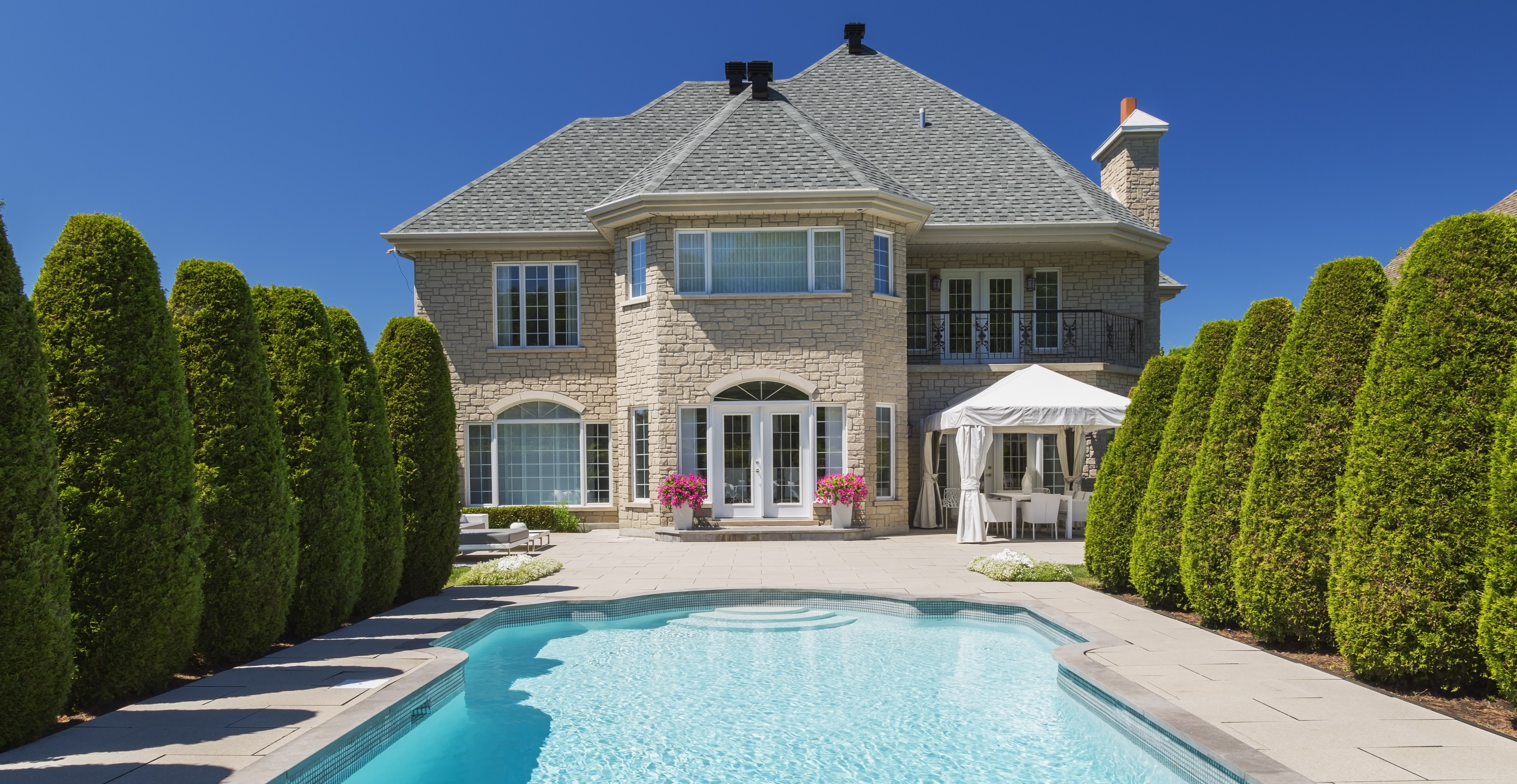
Outdoor living spaces have evolved beyond simple patios. We're talking about true outdoor rooms: covered loggias with gas fireplaces, outdoor kitchens equipped with built-in grills, pizza ovens, and refrigeration, and resort-style pools with infinity edges, grottos, or beach entries. In North Carolina's climate, these spaces extend your functional living area nearly year-round, and buyers recognize that value.
The multigenerational living trend has also hit our luxury market hard. I'm seeing demand for properties with separate in-law suites or casitas, complete with their own entrances, kitchenettes, and living areas. For families relocating here to be closer to aging parents or adult children returning home, this isn't optional. The flexible space concept matters too. That bonus room over the garage? Buyers want to see it staged as a fitness studio, home office, or hobby space, something that demonstrates its versatility beyond just "extra room."
Who This Guide Is For
This playbook is built for owners of luxury properties in Wake, Durham, Orange, and Chatham counties: custom estates, golf-course frontage in Preston or Governors Club, lakefront on Falls Lake or Jordan Lake, contemporary builds on North Raleigh acreage. Your situation shapes your first move.
| Your Situation | First Question to Ask | Right Next Step |
|---|---|---|
| Relocating for work on a fixed timeline | What will my estate realistically sell for in 60 days? | Get a CMA priced to current absorption rates, not last year's peak, and price to sell from day one |
| Selling a custom-built home with unique features and no deadline | Which sold comps actually match my property? | Order a pre-listing appraisal ($600-$1,200) and consider a quiet off-market phase before hitting the MLS |
| Sitting at 90+ days on market with no offers | Is the problem price, presentation, or exposure? | Make a meaningful price adjustment that moves you into a new search bracket, not a token $10,000 cut |
| Empty-nester downsizing from a 7,000-square-foot estate | How much of my furniture and collections need to go? | Rent a climate-controlled storage unit for 3-6 months and book a luxury staging consultation |
| Selling an investment property or a home held in trust | What are my capital gains and 1031 exchange implications this tax year? | Meet with your CPA or financial advisor before listing to time and structure the sale |
| Sale needs to stay confidential for business or personal reasons | Can my agent market effectively without a public splash? | Work with a team that pre-qualifies buyers and runs discreet, targeted outreach to its database |
Whichever row fits you, the buyer segment most likely to purchase your property shapes everything else: staging, marketing channels, and showing strategy.
What a Successful Mansion Sale Is Not
Half my job in luxury listings is killing expensive myths early. Here's what selling a mansion in Raleigh-Durham is not.
It's not pricing your emotional investment. Sellers spend 15 years and hundreds of thousands of dollars customizing every detail of their perfect home, then want the buyer to pay for that personal investment. The market doesn't work that way. Your custom home theater seating in your college team's colors is a negative to half the buyer pool and neutral to most of the rest. The mural you commissioned from a local artist? Buyers are calculating painting costs to cover it. The exotic wood flooring you imported? Buyers probably can't distinguish it from high-end domestic options that cost 60% less. Buyers pay premiums for quality, location, space, and versatility. They discount heavily for hyper-personalization unless it happens to align exactly with their own taste, which is statistically unlikely. The emotional value you've built is real, but it's yours, not transferable to the next owner.
It's not leaning on the wrong comparables. Your neighbor's house that sold last year is probably not relevant if it was a distressed sale or involved seller financing. If you're selling in Brier Creek, sales data from Fearrington Village tells you nothing: different buyer demographics, different price points, different value drivers.
It's not a standard residential transaction with a bigger number. The skills that make an agent excellent at $300,000 condo sales don't automatically transfer to $3 million estate sales. Longer due diligence, specialized inspections, limited appraisal comps, and confidentiality requirements all demand a different toolkit.
It's not "testing the market." When average days on market creeps past 120 days in a price band, sellers are testing instead of pricing to sell, and buyers can read a stale price history as easily as I can. A token $10,000 reduction on a $2.5 million property fools no one.
It's not a job for iPhone photos. If your agent shot the listing photos during a showing, you're sabotaging your sale before the first buyer ever pulls into the driveway.
Thinking about selling? I’ll tell you what your property is really worth — no obligation.
Get My Free Home EvaluationHow the Mansion Selling Process Works
Every luxury sale I run follows the same spine, customized to the property. My step-by-step mansion selling guide walks each stage in granular depth. Here's the sequence:
- Market analysis: a submarket-specific CMA, absorption-rate math, and buyer-demographic profiling for your exact neighborhood and price band.
- Preparation: curb appeal, professional staging, decluttering, and proactive repairs, often including a pre-listing inspection and pre-listing appraisal.
- Pricing: a strategy that blends appraisal data, search-bracket psychology, and a predetermined adjustment timeline.
- Marketing: professional photography and film, compelling copy, targeted digital campaigns, luxury platforms, and select print and direct mail.
- Negotiation: managing due diligence terms, inspection responses, and multiple-offer scenarios.
- Closing: appraisal management, title and survey work, smart-home transition, and the attorney closing North Carolina requires.
Skip or shortcut any piece and you diminish the entire effort.
Reading Your Local Luxury Market
Identifying Comparable Properties
Here's where sellers often stumble: they look at the wrong comparables. What you need is a comprehensive comparative market analysis (CMA) that examines properties with truly similar characteristics. In the Raleigh-Durham market, I'm pulling comps from specific submarkets: homes that sold within the past six months (anything older is increasingly irrelevant in our market), with similar square footage (within 15-20%), on comparable lot sizes, and with similar amenity packages.
But I go deeper. Price per square foot in luxury properties can be misleading because so much value lies in features that don't add square footage: a $150,000 pool, $80,000 in landscaping, a $60,000 wine cellar. I'm analyzing absorption rates in your specific neighborhood and price band. If there are currently eight luxury listings in your area and only one or two sell per quarter, we've got a nine-month supply. That's a buyer's market, and your pricing strategy needs to reflect that reality.
The days on market (DOM) trends tell me everything about pricing accuracy. When I see luxury properties consistently selling within 30-45 days, I know pricing discipline is tight. When average DOM creeps past 120 days, sellers are guessing.
Understanding Who Buys Luxury Homes in the Triangle
Who's actually buying luxury real estate in The Triangle right now? The mix has shifted significantly even since 2020.
Tech and pharmaceutical executives relocating from California, Massachusetts, and New York still represent a substantial portion, probably 35-40% of my luxury transactions. These buyers are coming from higher cost-of-living markets, so our prices seem reasonable. But they're sophisticated. They've bought and sold before. They spot overpricing immediately, and they're not emotionally attached to "charm" that isn't backed by quality construction and modern systems.
Professional athletes and coaches connected to NC State, Duke, UNC, or our professional sports franchises make up another segment. They typically want newer construction or fully updated properties, because their time is limited and they can't manage renovation projects. Move-in ready isn't just a preference for this group. It's a requirement.
Increasingly, I'm working with multigenerational family buyers, often Asian or Middle Eastern families purchasing luxury properties to house extended family units. They evaluate properties differently, placing enormous value on bedroom count, multiple living areas, and especially multiple primary bedroom suites on the main level.
The empty-nester segment is fascinating because they're moving in both directions. Some are downsizing from 7,000-square-foot estates into luxury maintenance-free living: high-end townhomes or condos in developments like North Hills where everything is walkable. Others are actually upsizing, building or buying their "forever home" now that the kids are gone and they can focus on exactly what they want.
Preparing Your Mansion for Sale
I've walked through hundreds of luxury properties with owners who genuinely believe their home is "show-ready." Sometimes they're right. More often, there's work to do. When you live in a space every day, you stop seeing what a fresh set of eyes will immediately notice. Preparing a luxury estate for sale isn't about making it "nice." It's about positioning it as the absolute best value in its price range and eliminating every possible objection a buyer might raise.
Landscaping and Exterior Maintenance
You get one shot at a first impression. In the luxury market, that impression starts the moment a buyer turns onto your street, and it crystallizes as they pull into your driveway. If the landscaping looks tired or the exterior needs attention, you've already damaged your negotiating position, often irreparably.
Professional landscaping isn't optional at this level. I'm not talking about your regular lawn service (though they're fine for maintenance). I mean bringing in a landscape designer who specializes in high-end properties to evaluate your plantings, hardscaping, and overall presentation. Dead or overgrown shrubs? They're gone. Seasonal color in the beds? Absolutely. Mulch that looks fresh and consistent? Essential.
Outdoor lighting transforms properties, especially during evening showings. I recommend warm LED landscape lighting that highlights architectural features, illuminates pathways, and showcases mature trees. Done correctly, it creates drama and emphasizes the property's scale. Done poorly, or not at all, your home disappears after sunset while neighboring listings glow.
Driveways and walkways deserve special attention because buyers unconsciously judge maintenance standards by these surfaces. Concrete cracks should be repaired and sealed. Pavers need to be cleaned, re-sanded, and possibly re-sealed. Asphalt driveways in rough condition should be seal-coated or resurfaced. Yes, that's a $3,000-$8,000 expense, but leaving it creates the impression of deferred maintenance throughout the property.
Water features, from fountains to ponds to pool water, must be pristine. An algae-covered fountain or cloudy pool screams "high maintenance nightmare" to buyers. I've seen deals fall apart because buyers walked away convinced the pool would be an endless money pit, when actually it just needed a week of proper chemical balancing and cleaning.
Highlighting Unique Architectural Features
Your home's architectural elements differentiate it from every other listing. A porte-cochère entry. Stone or brick facades with detail work. Copper gutters and downspouts that have developed that rich patina. Custom iron railings or gates. These features justify your asking price, but only if they're immediately obvious and in excellent condition.
Exterior lighting should be strategic, not just functional. I work with lighting designers who use techniques like uplighting to emphasize columns, grazing to highlight stone or brick texture, and shadowing to create depth and drama. The goal is making your property memorable — the one buyers keep talking about as they drive to the next showing.
Architectural details also include items buyers might overlook until they're problems. Gutters and downspouts should function perfectly: no overflow, no staining on siding. Roof condition matters enormously in luxury transactions. If your asphalt-shingle roof is approaching 15-20 years old, expect buyers to demand either replacement or a substantial credit. Sometimes it makes sense to proactively replace before listing.
Decluttering and Depersonalizing
This conversation gets uncomfortable sometimes, because I'm essentially telling homeowners that their personal style might be hurting their sale. But I've learned to be direct, because it matters too much to dance around it.
Depersonalization doesn't mean stripping your home of warmth. It means removing barriers between a buyer and their ability to imagine themselves living there. Family photos throughout the house keep the space mentally "yours" in the buyer's mind. Religious items, political memorabilia, sports team décor: all of it creates risk that a buyer will feel like they don't belong or, worse, will feel actively opposed to the lifestyle the home represents.
The collections I see in luxury homes run the gamut: high-end art, rare books, sports memorabilia, musical instruments, antique firearms. Some of this can stay if it reinforces the room's purpose (art in a gallery space, books in a library), but most should be removed or significantly edited. Your buyer needs to see the millwork in your library, not just your book collection. They need to appreciate the lighting and ceiling detail in your great room, not your taxidermy collection.
Clutter is particularly problematic in luxury properties because it contradicts the aspirational lifestyle these homes represent. Buyers are paying premium prices for space, organization, and elevated living. Kitchen counters covered with appliances, mail, and everyday items look cramped, not luxurious. Closets packed to capacity make buyers assume there's inadequate storage. Garages filled with overflow raise questions about the home's actual storage capacity relative to its size.
I usually recommend sellers rent a climate-controlled storage unit for 3-6 months and move out 40-50% of their belongings before we list. It feels excessive, but it works.
Showcasing High-End Amenities
Your home's luxury amenities are value drivers, but only if buyers understand and appreciate them. This is where professional staging specifically for high-end properties pays dividends.
A home theater should be staged and operational. Lights dimmed, screen displaying a dramatic scene, seating arranged to showcase capacity. I've had sellers who were using their theater as storage or had equipment that wasn't functioning. That's a disaster. If you're selling a theater as an amenity, it needs to deliver a "wow" experience during showings.
Wine cellars need proper staging too. If your cellar is at capacity, consider removing some bottles to allow buyers to see the actual racking and capacity. The cellar should be at proper temperature and humidity, lights should be functional, and any tasting area should be staged elegantly. An empty wine cellar raises questions; an overly personal collection (with your name etched on glasses, for example) makes it harder for buyers to see themselves there.
Primary bathrooms with spa features should be staged like a five-star hotel. Fresh luxury towels perfectly folded or rolled, high-end bath products (think Molton Brown or Aesop, not drugstore brands), and impeccable cleanliness. The steam shower should be spotless: no hard water stains, no mildew in corners. Heated floors should be on during showings so buyers experience them.
Outdoor kitchens are huge selling points in our market, but I consistently see them underutilized during the sales process. The grill should be spotlessly clean, or better yet, fitted with new grates. Stainless appliances should gleam. The refrigerator should be plugged in and cold. Staging this space with nice outdoor dinnerware and some design elements helps buyers visualize how they'd actually use it.
Thinking about selling? I’ll tell you what your property is really worth — no obligation.
Get My Free Home EvaluationPricing Strategies for Luxury Properties
This is where I earn my fees as a strategic pricing specialist. Get pricing wrong in the luxury market and you can sit for months, or years, watching your property go stale while newer listings capture buyer attention. Price it correctly, and you create competition that drives final sale prices up.
The Importance of a Pre-Listing Appraisal
Even before listing, I often recommend sellers obtain an independent pre-listing appraisal from an appraiser who specializes in luxury properties. This isn't the same as the lender-ordered appraisal that happens during the transaction. This one is for your information and planning.
Why bother? Because luxury appraisals are genuinely difficult. The comps might be limited, the unique features might not have clear comparable value, and the appraiser's experience with high-end properties varies dramatically. I've seen appraisers completely miss the value of a custom wine cellar or fail to appreciate that a geothermal HVAC system saves $400+ monthly on utilities and deserves significant value recognition.
A pre-listing appraisal gives us a floor. We know that a buyer bringing conventional financing will need the property to appraise, so understanding where a qualified appraiser values it, even if we price higher, helps us anticipate potential appraisal issues down the road.
The cost ($600-$1,200 typically for a luxury property in our market) is minimal compared to the strategic value. And if the appraisal comes in lower than you expected? You've just saved yourself from overpricing and spending three months on market learning that lesson expensively.
The Art of Price Adjustments
The luxury market moves differently than the broader residential market. Days on market matter more. Price history is scrutinized carefully. And pricing strategy needs to account for these realities.
Sometimes I recommend pricing slightly high initially if we have a truly unique property with limited comps. The strategy here is attracting serious buyers who appreciate the uniqueness and are willing to pay for it, while creating room for negotiation. But this part is critical: we set a predetermined timeline for price adjustments if we're not seeing the right activity.
Typically, if we haven't had serious showings within the first two weeks, something's wrong. Maybe it's marketing execution, but more likely it's price. If we haven't received offers within 30-45 days, we're almost certainly overpriced for the current market, and we need to make a meaningful adjustment — not a token $10,000 reduction on a $2.5 million property, but something that moves us into a different search bracket or changes the value proposition noticeably.
Strategic price reductions can actually generate renewed interest. I've seen properties that had gone stale after 90 days receive multiple offers within a week of a substantial price adjustment. Why? Because serious buyers and their agents have usually seen the property already. When they see a significant price change, they revisit whether it's now the right value. Plus, the price change typically triggers new MLS alerts for buyers whose search parameters now include your property.
Pricing Psychology and Exclusivity
Pricing psychology in the luxury market is fascinating. The way you position your price sends signals about the property and the seller.
Pricing at $2,950,000 versus $3,050,000 isn't just about the $100,000 difference, though that's real. It's about search parameters. Buyers searching up to $3 million will see your property at $2,950,000 but not at $3,050,000. You've just expanded your buyer pool significantly.
There's also an interesting dynamic around "just under" pricing. Pricing at $2,995,000 can feel like strategic positioning: the home is worth $3 million, but the seller is giving you an opportunity. Pricing at $3,050,000 can feel arbitrary or greedy, like the seller is testing whether someone will overpay.
For truly exceptional properties with unique value propositions, sometimes premium pricing actually helps. It signals that this property is different, special, not for everyone. But this only works if the property genuinely delivers on that promise. Premium pricing on a property that doesn't justify it just ensures it sits on market until you correct the price.
The exclusivity factor also plays into how we market. Sometimes I'll recommend starting with an "off-market" phase: quietly presenting the property to qualified buyers in our database before the official MLS listing. This creates FOMO (fear of missing out) when we do list publicly, plus it gives us a chance to test price reception with a sophisticated buyer group before committing to a public listing price.
Marketing Your Mansion Effectively
I'm convinced that 60% of successfully selling a luxury property is in the marketing execution. You can have the perfect home at the perfect price, but if the right buyers never see it, or see it presented poorly, you've accomplished nothing.
High-Quality Photography and Videography
Let me be blunt: if you're selling a luxury property with iPhone photos taken by your agent during a showing, you're sabotaging your sale. Professional real estate photography for luxury properties isn't optional. It's the foundation of everything else we'll do.
I work with photographers who specialize in architectural photography and understand luxury real estate. They're bringing professional lighting equipment, not just a nice camera. They understand composition, angles, and how to make spaces look both expansive and inviting. The difference between a competent photographer and a great luxury real estate photographer is the difference between 10 showings and 50 showings.
Drone photography and videography showcase properties with significant land, impressive exteriors, or excellent locations. In the Raleigh-Durham area, an aerial perspective might highlight your proximity to Falls Lake, your golf course frontage, or the privacy created by your five-acre wooded lot. The investment ($500-$1,500 depending on scope) is minimal compared to the impact.
Virtual tours have evolved significantly. I'm not talking about those choppy, dizzying automated walkthroughs that make viewers nauseous. Modern 3D virtual tours using Matterport technology or similar platforms allow potential buyers, especially those relocating from out of state, to explore your property at their own pace and get a genuine sense of flow and scale before scheduling an in-person showing.
For the most exceptional properties (typically above $3 million), I'll invest in cinematic video tours: 2-3 minute films with professional narration, drone footage, lifestyle shots of the surrounding area, and dramatic interior sequences. These pieces cost $3,000-$8,000 to produce, but they tell a story about the lifestyle your property enables, not just the features it contains. They get shared, they get remembered, and they attract serious buyers.
Crafting Compelling Property Descriptions
Most luxury property descriptions read like feature checklists. "Five bedrooms. Four-and-a-half bathrooms. Gourmet kitchen. Finished basement." It's boring, it's forgettable, and it doesn't give buyers any reason to prioritize your property over the 30 other luxury listings they're evaluating.
Compelling descriptions tell stories and paint pictures. Instead of "large kitchen with high-end appliances," try something like: "The chef's kitchen centers around a La Cornue range — the kind you see in Michelin-starred restaurants — flanked by Sub-Zero refrigeration and opening to a breakfast area where you'll actually want to linger over coffee while watching deer wander through your wooded backyard."
I weave in lifestyle elements specific to the Raleigh-Durham area. "Your home office overlooks mature hardwoods and provides the perfect focus environment for your work-from-home days, yet you're still just 15 minutes from Research Triangle Park when collaboration calls." Or: "Summer evenings transform your outdoor living space into an entertainment destination: fire up the built-in grill, pour wine from your climate-controlled cellar, and watch the sun set over Jordan Lake while your guests soak in the infinity-edge pool."
The architectural provenance matters if you have it. "Designed by acclaimed local architect [Name]" or "Built by [Recognized Custom Builder] known for their uncompromising attention to detail and quality" adds credibility and justifies premium pricing.
I'm also strategic about keyword inclusion for SEO purposes, but it has to flow naturally. Terms like "luxury estate," "custom home," "gated community," "smart home technology," "primary suite," "gourmet kitchen," "resort-style pool," and specific neighborhood names help your listing surface in searches without feeling stuffed or artificial.
Social Media That Reaches Affluent Buyers
Five years ago, I could have been skeptical about social media marketing for luxury real estate. Today, I'd be negligent not to leverage it aggressively.
Instagram has become a primary discovery platform for luxury properties. I'm creating a visual narrative around each listing: not just photos of rooms, but detail shots that highlight quality, like the grain in custom woodwork, the sparkle of a chandelier, the texture in stone countertops. I'm using Instagram Stories to create urgency around open houses or showings. And I'm leveraging hashtags both broad (#luxuryrealestate, #dreamhome) and specific (#RaleighLuxuryHomes, #TriangleLuxuryRealEstate, #NorthRaleighEstates) to expand reach.
Facebook advertising allows incredibly precise targeting. I can target users by income level, geographic location, interests (luxury goods, high-end travel, golf, wine), and even behaviors (recent movers, job title changes). For a property in a golf community, I'm targeting golf enthusiasts in high-income brackets who've shown relocation interest. For a property near RTP, I'm targeting tech executives at major companies with relevant job titles.
LinkedIn might seem like an odd platform for real estate marketing, but for luxury properties it's incredibly valuable. I can target by job title and company, reaching exactly those VP-level executives at tech and pharmaceutical companies who represent our primary buyer demographic. A sponsored post highlighting your home's dedicated office space and proximity to major employers can reach thousands of qualified potential buyers.
I'm also leveraging YouTube for longer-form video content: full property tours, neighborhood highlights, and even educational content about the buying process for luxury properties in our market.
Luxury Platforms, Print, and Direct Mail
Beyond the standard MLS listing, luxury properties deserve exposure on specialized platforms that attract high-net-worth buyers actively seeking exceptional properties.
Mansion Global, backed by Dow Jones, attracts an international audience of luxury property seekers. Listings here are seen by buyers in New York, London, and Hong Kong, markets where our Raleigh-Durham luxury prices seem exceptionally reasonable.
LuxuryRealEstate.com and LuxuryPortfolio.com aggregate high-end listings and provide exceptional visibility for properties above $1 million. They also offer marketing tools and exposure that enhance our overall campaign. Sotheby's International Realty and Christie's Real Estate networks (depending on listing-side affiliations) provide access to global buyer networks and carry brand prestige that matters in the luxury segment.
I'm also strategic about print advertising in select publications. Our State magazine reaches affluent North Carolinians who might be seeking a vacation property or investment. Local luxury lifestyle publications in the Triangle put your property in front of the established wealthy residents who are often connected to, or are themselves, potential buyers.
Direct mail to specific neighborhoods or to curated lists of high-net-worth individuals can also be effective, especially for truly exceptional properties. A beautiful oversized postcard or property brochure delivered to select addresses keeps your listing top-of-mind and demonstrates the level of marketing investment you're making.
Working with Luxury Real Estate Professionals
Selling a luxury property without specialized professional representation is possible in the same way that representing yourself in a complex legal matter is possible: technically feasible, but rarely wise. The stakes are too high and the skillset too specialized.
Qualities to Look for in a Luxury Listing Agent
Proven track record in the luxury segment should be your first filter. How many properties has this agent sold above $1.5 million? Above $2 million? What was their average days on market compared to market averages? What's their list-price-to-sale-price ratio? An agent who consistently sells at 98-99% of list price is demonstrating accurate pricing and strong negotiation skills.
Local market expertise goes beyond just knowing neighborhoods. I'm talking about understanding which streets in Preston command premiums, why lakefront on Falls Lake sells differently than lakefront on Jordan Lake, how the Chapel Hill market differs from the North Raleigh market despite similar price points, and what buyers from Silicon Valley care about versus buyers from New York financial services.
Network and connections matter enormously. Does this agent have relationships with other luxury agents who might have buyers? Are they connected to relocation specialists at major Triangle employers? Do they have international affiliations that might attract overseas buyers?
Marketing sophistication is non-negotiable. Review their recent luxury listings. Is the photography exceptional? Are the property descriptions compelling? Do they leverage video and social media effectively? Or are they using the same basic marketing approach they'd use for a $400,000 home?
Negotiation skills become even more critical in luxury transactions because the dollars at stake are so much larger. A 2% difference in final sale price on a $2.5 million home is $50,000. Your agent must advocate effectively, know when to hold firm and when to compromise, and understand the psychological elements of high-stakes negotiation.
Discretion and professionalism are essential. Your luxury property sale might need to remain confidential for business or personal reasons. Your agent needs to understand how to market effectively while maintaining appropriate privacy, how to pre-qualify and vet potential buyers, and how to conduct the entire process with the sophistication that high-net-worth clients expect.
The Benefits of Working with a Specialized Team
At the Tim M. Clarke Team, our team approach to luxury sales isn't about reducing our individual workload. It's about providing coverage and expertise that no individual agent, however talented, can match alone.
Transaction coordination for luxury sales is complex. There are more parties involved: attorneys, inspectors, appraisers, sometimes architects or engineers for specific issues. A dedicated transaction coordinator on my team manages all these moving pieces, ensuring deadlines are met, documents are properly executed, and nothing falls through the cracks.
Marketing expertise on my team includes specialists who manage our social media strategy, digital advertising, video production coordination, and print marketing. Your listing gets comprehensive, multi-channel marketing because we have team members whose entire focus is ensuring our listings receive maximum exposure.
Showing coverage matters more than sellers often realize. When a buyer's agent calls requesting a showing this afternoon, someone from my team is available to accommodate them. We're not missing opportunities because your agent was showing property across town or taking the afternoon off.
Market analysis and pricing strategy benefits from collective expertise. When we're pricing your property, we're drawing on the recent transaction experience and market insight of multiple team members, not just one person's perspective. And post-closing support continues because real estate relationships don't end at closing: questions about property tax issues, referrals for home services, or advice about the market if you're considering purchasing again.
The Role of Interior Designers and Stagers
Professional staging for luxury properties is fundamentally different than staging a typical home. We're not just arranging furniture. We're curating an aspirational lifestyle presentation.
I work with interior designers and stagers who specialize exclusively in high-end properties. They have access to luxury furniture and accessories that most staging companies don't carry. They understand how to stage a 12-seat dining room so it feels appropriately grand without being intimidating. They know how to make a 1,200-square-foot primary suite feel intimate rather than cavernous.
The investment for luxury staging typically runs $5,000-$15,000+ depending on property size and how much existing furniture we're incorporating versus bringing in. But the return on investment is substantial. Professionally staged luxury homes sell faster and for higher prices; the data consistently shows this. The difference might be $50,000-$100,000 in final sale price and 60-90 fewer days on market.
Art and accessories are part of the staging conversation. Your personal art collection stays or goes depending on whether it enhances or detracts from the home's appeal. We might bring in museum-quality art pieces (yes, we insure them) that elevate the space and help buyers envision the lifestyle.
Partnering with Financial Advisors and Legal Experts
Luxury property sales often involve significant tax implications that standard transactions don't trigger. Capital gains considerations, 1031 exchange opportunities if this is an investment property, estate planning implications if the property is held in trust: these issues require specialized expertise.
I typically recommend clients consult with their financial advisor or CPA before listing to understand their tax situation and optimize the timing and structure of the sale. Sometimes it makes sense to close before year-end for tax reasons. Sometimes waiting until the new year is advantageous. This isn't advice I can provide (I'm a real estate specialist, not a tax professional), but I know enough to flag when specialized advice is needed.
Real estate attorneys who specialize in luxury transactions are essential. North Carolina is an attorney closing state, so you'll need legal representation for the actual closing. But beyond that, complex transactions might involve specific contingency language, seller financing arrangements, leaseback agreements, or other provisions that require sophisticated legal drafting.
For transactions involving international buyers, which are increasingly common in our market, there are additional FIRPTA (Foreign Investment in Real Property Tax Act) requirements and considerations. Having an attorney who's handled these situations before ensures compliance and smooth execution.
Thinking about selling? I’ll tell you what your property is really worth — no obligation.
Get My Free Home EvaluationNegotiating and Closing the Sale
This is where deals are made or broken. I've seen perfect listings with ideal buyers fall apart because negotiation was handled poorly. I've also seen mediocre properties with lukewarm interest close at strong prices because the negotiation was masterfully executed.
Common Luxury Buyer Requests and Contingencies
Luxury buyers have the resources to be particular, and they will be. Understanding their typical requests helps you prepare mentally and practically.
Extended due diligence periods are common. North Carolina's standard due diligence period in the offer contract gives buyers time for inspections, appraisals, and other investigations. In standard transactions, 14-21 days is typical. Luxury buyers frequently request 30-45 days or longer. Why? They're conducting more extensive inspections. They might bring in specialized inspectors: structural engineers, pool inspectors, septic specialists, well testing experts. They might need time to arrange financing for higher loan amounts, which requires more documentation and underwriting.
Home inspection requests after the inspection will be more detailed. Luxury buyers often hire the most thorough inspectors available, who will identify every minor defect. You'll receive a 60-page inspection report noting everything from a GFCI outlet in the garage to potential moisture issues to the fact that your water heater is 8 years old and might need replacement in 2-4 years.
Your response to inspection items requires strategy. Which items represent legitimate defects requiring correction? Which are maintenance items that shouldn't reasonably be your responsibility? Where do you hold firm, where do you negotiate, and where do you simply fix things to keep the deal moving? This is where experience matters.
Furniture and personal property negotiations happen frequently. A buyer might request that certain items convey: perhaps your custom window treatments, outdoor furniture, or pool equipment. Decide upfront what you're willing to include and at what price. Having these conversations mid-negotiation when you haven't thought it through leads to poor decisions.
Closing timeline flexibility might be requested. A buyer building their own home might need a 6-month closing. A buyer selling their current home might need a rent-back agreement where you remain in the property briefly after closing. Sometimes flexibility here can be more valuable than price negotiation.
Handling Multiple Offers
When you've priced and marketed correctly, multiple offers aren't just possible. They're likely. Managing them well takes strategy, covered in depth in my guide to making the most of multiple offers.
Price alone doesn't determine the best offer. An all-cash offer at $50,000 less than a financed offer might be superior because there's no appraisal contingency risk and closing can happen in 2-3 weeks instead of 45 days. An offer from a pre-qualified buyer using a local lender we know and trust might be stronger than a higher offer from a buyer using an online lender with uncertain underwriting standards.
Due diligence money and earnest money tell you about buyer seriousness. In our North Carolina market, the due diligence fee (paid directly to the seller and non-refundable unless the seller defaults) demonstrates commitment. A buyer offering a $50,000 due diligence fee on a $2.5 million property is very serious. A buyer offering $5,000 is testing the market.
Contingencies make or break offers. An offer contingent on the buyer selling their current home is substantially weaker than a non-contingent offer. A buyer requesting a home sale contingency should provide proof that their property is already under contract, or they should expect their offer to be less competitive.
Sometimes I'll create a "highest and best" opportunity when we have multiple interested parties but haven't received the offer we want. We notify all interested buyers that we've received multiple offers and invite them to submit their highest and best terms by a specific deadline. This often results in better terms than accepting the initial offers would have achieved.
Managing the Inspection and Appraisal Process
The home inspection period creates anxiety for sellers, but preparation mitigates most issues. I recommend sellers complete a pre-listing inspection before we even list. This allows us to address significant defects proactively rather than reactively during negotiation. It also demonstrates transparency and good faith to buyers.
When the buyer's inspection occurs, stay away. Don't hover, don't explain things, don't try to justify why something is the way it is. The inspector and buyer need space to do their work. Your presence creates awkwardness and doesn't help.
The inspection response after you receive the buyer's requests is a negotiation within the negotiation. I'm typically recommending we address legitimate safety or functional issues while pushing back on cosmetic items or routine maintenance that shouldn't reasonably be the seller's responsibility. The goal is keeping the deal together while not giving away value unnecessarily.
Appraisals on luxury properties carry risk because comps are limited. I prepare an extensive appraisal package for the appraiser with detailed information about your property's features, upgrades, comparable sales with explanations of why they're relevant, and any other data that helps the appraiser understand value. This is especially important for unique properties where standard automated valuation models don't apply.
If an appraisal comes in low, we have options. Sometimes the buyer can bring additional cash to cover the gap. Sometimes we renegotiate price. Sometimes we appeal the appraisal with additional comps and data. Having a pre-listing appraisal helps because we can sometimes use that as supporting documentation in an appeal.
Ensuring a Smooth Transition of Ownership
The closing process for a luxury property involves more complexity than standard transactions. Title work might reveal easements, deed restrictions, or other issues requiring resolution. Survey requirements might identify encroachments or boundary disputes.
Smart home systems and technology require special attention. I create a detailed transition document explaining how everything works: security systems, lighting controls, audio/video systems, pool automation, irrigation systems. Arrange for the installer or a technology integrator to meet with the buyer after closing for training. The $500-$1,000 cost of this service prevents endless post-closing calls and demonstrates professionalism.
Warranties and service contracts should be transferred when possible. Your pool service, lawn maintenance, HVAC service contracts, and security monitoring can often be assumed by the buyer if they choose. Provide all contact information and account details.
The final walkthrough should occur 24-48 hours before closing, not the morning of. This gives time to address any issues discovered rather than creating a closing-day crisis. Ensure the property is broom-clean, all agreed-upon items remain, all agreed-upon repairs are complete, and all utilities are functional.
The actual closing in North Carolina happens at the attorney's office or title company. The process typically takes 1-2 hours and involves signing numerous documents. I attend closings with my clients whenever possible to ensure everything proceeds smoothly and to answer any final questions.
Final Thoughts from Tim
Selling your luxury estate represents one of the most significant financial transactions you'll make. The difference between an amateur approach and a sophisticated, strategic execution can easily exceed $200,000-$300,000 in final proceeds, not to mention months of stress and uncertainty. The Raleigh-Durham luxury market rewards sellers who prepare: we're seeing buyer demand from multiple demographic segments, sustained job growth and in-migration from higher-cost markets, and continued appreciation in premium neighborhoods. But this favorable market punishes complacency.
After nearly two decades specializing in luxury properties in The Triangle, I've developed systems that consistently deliver results. More importantly, I've learned that every luxury property is genuinely unique. The mansion in Governors Club with golf course frontage demands a different strategy than the contemporary estate in North Raleigh with acreage. The seller relocating for work has different priorities than the seller who built their dream retirement home and can wait for the perfect buyer.
What I won't do is let you sit in limbo wondering why nothing is happening. We'll have proactive conversations, I'll bring solutions and recommendations, and we'll adjust strategy as needed. The luxury market can require patience: the right buyer for a $3 million property might come along once every two months, not once every two weeks. But we'll know the difference between "waiting for the right buyer" and "our strategy isn't working and we need to change something." If you're considering selling your luxury property in the Raleigh-Durham area, start with a confidential home evaluation. I'll show you exactly where your property stands in the current market and outline a customized plan for your home and target buyer. No pressure, no obligation, just honest advice.
Frequently Asked Questions About Selling a Mansion in Raleigh-Durham
What is considered a luxury home price in Raleigh-Durham?
How long does it take to sell a luxury home in the Triangle?
Should I get an appraisal before listing my luxury home?
What is a due diligence fee in North Carolina?
Is professional staging worth it for a luxury home?
Can I sell my mansion off-market in North Carolina?
Thinking about selling? I’ll tell you what your property is really worth — no obligation.
Get My Free Home Evaluation