Building or buying new? Let’s make sure the builder’s contract works for you — not just for them.
Schedule a New Construction Consultation- The land, not the house plan, decides your budget. Slope, soil, and utility distance can add tens of thousands before a single wall goes up.
- Confirm zoning and building codes with the county before you write an offer. These rules dictate setbacks, septic type, and whether your plan is even legal on that lot.
- Pay for a professional soil test and a perc test on any lot without public sewer. Bad soil means a bigger, pricier foundation or septic system.
- Budget a 10-15% contingency and expect 12 to 24 months from raw land to move-in day.
I'm Tim Clarke, and in 17+ years selling across the Raleigh-Durham Triangle, I've walked more raw lots than I can count. A build starts long before framing. It starts with the dirt. Pick the right piece of land and you set yourself up for a home that fits you and holds its value. Pick the wrong one and you inherit problems no floor plan can fix.
Building lets you decide everything, from the kitchen island to the light fixtures. That freedom is the draw. But the land under it all is where the money hides, so let's start there and work outward.
Start With the Land, Not the House Plan
Location does more than frame your view. It decides your daily drive, your resale, and how the lot serves you five years from now. Measure the real distance to the grocery store, the hospital, and the school before you fall for the quiet.
A spot that feels peaceful on a Sunday visit can feel cut off when you live there full time. Drive the commute at rush hour. Then check what's coming: pull the future development plans, look for commercial zoning nearby, and ask about new roads or schools on the books.
A build starts long before framing. It starts with the dirt.
Do the Homework the Seller Won't
Check with the local planning office and sit in on a community meeting. What gets approved down the road moves your property value and your quality of life. Nobody hands you this information. You go get it.
Read the Ground Before You Buy It
Once a location clears, look hard at the land itself. Two features drive your cost more than any finish you'll pick later: how the lot sits, and what's underneath it.
Topography and Soil
A flat lot is cheaper to build on than a steeply sloped one, plain and simple. Slope means grading, retaining walls, and a foundation that fights the hill. Soil matters just as much. Poor soil can force extensive foundation work you never planned for, so pay for a professional soil test before you buy, not after.
Utilities: Public or On-Site
Find out exactly what reaches the site. Public water and sewer at the road? Or do you drill a well and install a septic system? Then confirm electricity, natural gas, and internet. Running utilities to a remote lot can cost real money, and that number belongs in your budget from day one.
| What to check on the lot | Why it moves your cost |
|---|---|
| Topography (flat vs. sloped) | Slope adds grading, retaining walls, and foundation work |
| Soil quality (soil test) | Poor soil forces extensive, costly foundation work |
| Water and sewer | No public service means a well plus septic system |
| Electricity, gas, internet | Bringing utilities to the site can be substantial |
| Access and road conditions | Poor access can require road construction |
Handle the Legal and Zoning Rules First
The rules that govern a lot can quietly kill your plan. Every area carries its own zoning laws and building codes, and they decide how close to the property line you build and what septic system you're allowed to install. Learn them early. Check with the county so you know your plan is feasible before you commit.
Permits You'll Pull
You'll need permits across the whole build: land clearing, construction, electrical work, and more. Experienced local pros keep this moving. Fold permit and inspection fees into your numbers now, because they're easy to forget and impossible to skip.
Building or buying new? Let’s make sure the builder’s contract works for you — not just for them.
Schedule a New Construction ConsultationLine Up Financing Built for Land and Construction
Financing land and a build works differently than a standard mortgage. A land loan buys the property; a construction loan covers the build. Some lenders offer a combination land and construction loan that folds both together, then converts to a traditional mortgage once the home is finished. Each path has trade-offs, so talk it through with a financial advisor.
Expect steeper down payments here. Lenders often want 20-30% down on land, and sometimes more on raw, undeveloped ground. Know that going in.
Pick a Builder You Can Verify
Choosing your builder is one of the biggest calls in this whole process. Look for a solid track record. Check licenses and certifications, ask for references, and actually call past clients. A ten-minute conversation with someone who lived through a build tells you more than any brochure.
Ask to see finished projects like the one you're planning, then visit them in person. Walk the homes. Feel the workmanship. From there, set clear expectations on scope, timeline, and budget, and insist on regular progress updates so small issues surface before they turn into big ones.
Know a Green-Light Lot From a Walk-Away
Green light
- Flat or gently graded lot
- Public water and sewer at the road
- Soil test comes back clean
- Zoning fits your floor plan and setbacks
- Solid road access already in place
Walk away
- Steep slope demanding heavy grading
- Well and septic with a failing perc test
- Poor soil that forces major foundation work
- Zoning that blocks your plan or septic type
- No real access, so you'd build the road
Building or buying new? Let’s make sure the builder’s contract works for you — not just for them.
Schedule a New Construction ConsultationDesign and Build With the Future in Mind
An architect turns your vision into something that actually works to live in. A good one balances looks with function, weighing natural light, traffic flow, and storage. Fold in energy-efficient features while you're at it, since solar panels, high-efficiency HVAC systems, and proper insulation pay you back for years.
Build for the Years Ahead
Design past today. Flexible spaces earn their keep: a home office that converts to a bedroom, a bonus room that becomes a playroom or gym. Even if retirement feels distant, aging-in-place details like wider doorways, zero-threshold showers, and a first-floor master keep the home comfortable well down the road.
Through Construction and Move-In
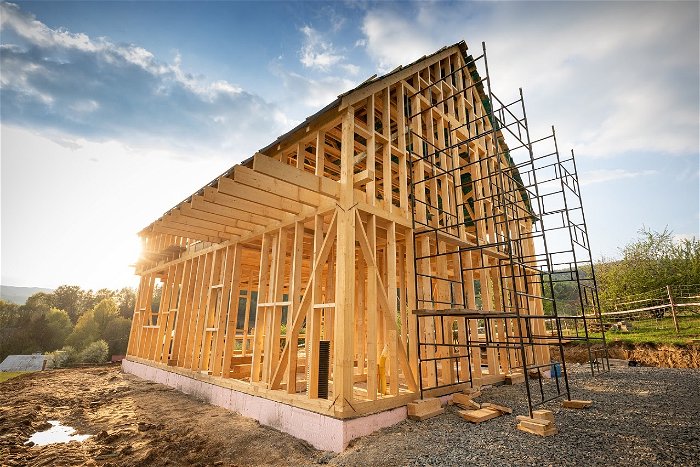
Learn the phases, from site prep and foundation to framing, roofing, and finishing, so you can track progress and see what's next. Delays happen. Weather, material shortages, and permit hold-ups all bite, so stay flexible and stay close to your builder. Visit the site, ask questions, and make sure every required inspection gets done at each stage. Before you move in, you'll need an occupancy permit and a thorough walkthrough to catch final corrections while you still have leverage.
Your Land-Buying Game Plan
- Set the full budgetCover land, construction, site prep, utility connections, landscaping, and possible road construction. Set aside a 10-15% contingency.
- Scout the locationMeasure the drive to schools, hospitals, and stores. Pull future development plans from the planning office and attend a community meeting.
- Test the groundAssess topography and pay for a professional soil test. Confirm water, sewer, electricity, gas, and internet reach the site.
- Clear the legal sideCheck zoning laws and building codes with the county, confirm your plan is feasible, and identify every permit you'll pull.
- Arrange financingCompare a land loan plus construction loan against a combination loan, and plan for 20-30% down on the land.
- Vet and hire your builderVerify licenses, call references, tour finished projects, and set clear scope, timeline, and budget expectations up front.
- Manage the build to the finishTrack each phase, attend inspections, secure your occupancy permit, and walk the home before you take possession.
Building or buying new? Let’s make sure the builder’s contract works for you — not just for them.
Schedule a New Construction Consultation