Thinking about selling? I’ll tell you what your property is really worth — no obligation.
Get My Free Home EvaluationThe 30-second version
- It's gravity, not magic. Wastewater flows to a watertight tank where solids settle as sludge and grease floats as scum; the clear middle layer drains out to the drainfield, where soil finishes the job.
- Pump every 3 to 5 years. Most tanks across Wake, Orange, and Chatham counties need pumping on that interval, and NC recommends a full inspection every 3 to 5 years too.
- Permits run through the county. The NC Department of Health and Human Services sets the rules, but your local health department issues every install or repair permit after a site eval and soil analysis.
- Never skip the inspection when you buy. Put a septic inspection in your due diligence period, right alongside the home inspection. A failed drainfield is a five-figure surprise you want to find before closing, not after.
I've walked buyers and sellers through more septic systems than I can count in 17+ years across the Triangle. Newcomers moving to the City of Oaks or the City of Medicine often assume every home ties into municipal sewer. Plenty don't. Once you get past the city limits into the custom homes and larger lots of Wake, Orange, and Chatham counties, a septic tank in the backyard is the norm, not the exception.
Here's the good news: a septic system isn't something to be scared of. Treated right, it quietly handles your household wastewater for decades, recharges groundwater, and takes strain off municipal plants. Treated wrong, it fails at the worst possible moment. Let me show you the difference.
How a septic system actually works
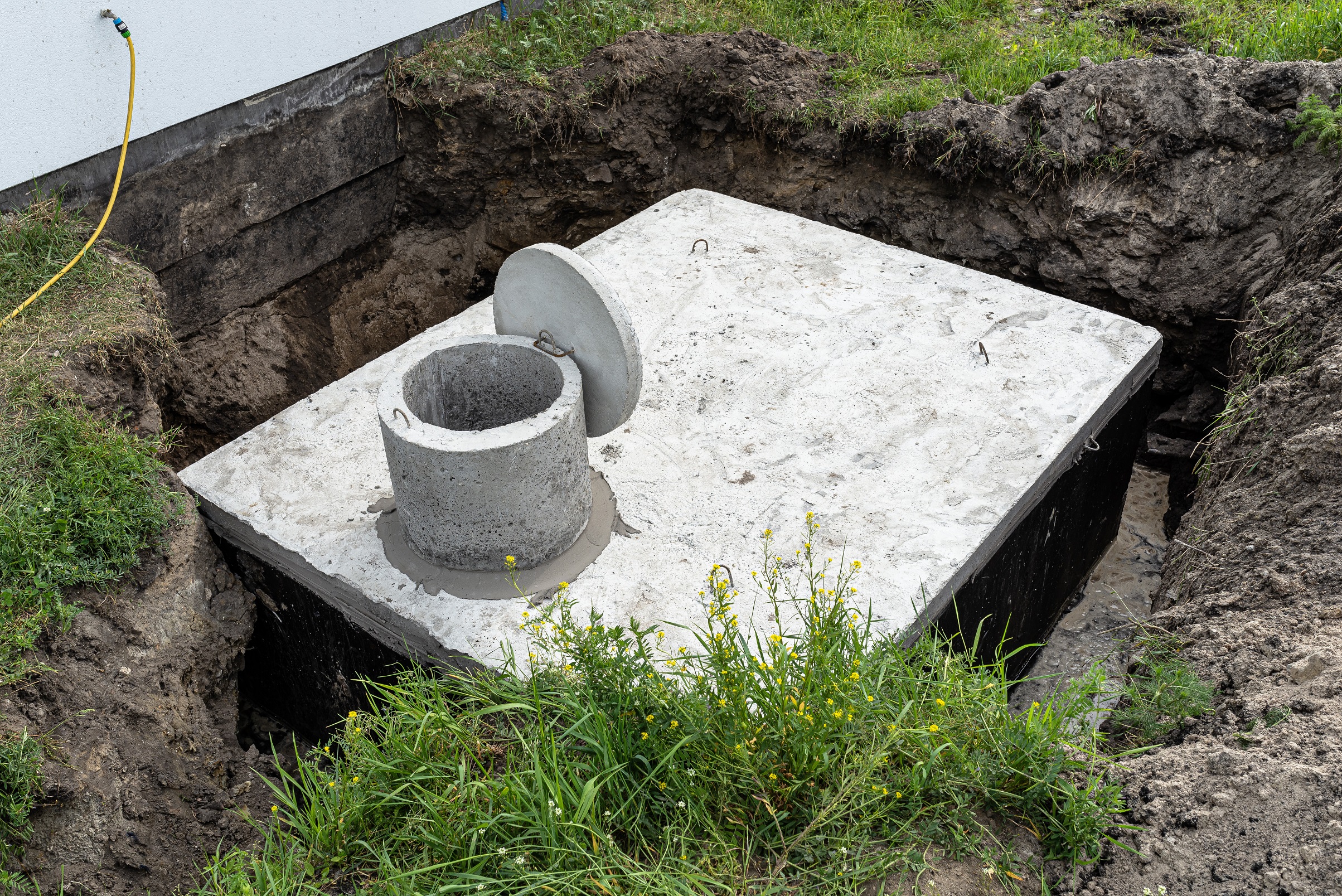
A septic system is an underground wastewater treatment structure. It has four working parts: the septic tank (a watertight container where solids settle), the drainfield (where wastewater percolates through soil for further treatment), the pipes connecting your home to the tank and the tank to the drainfield, and the soil itself, which acts as a natural filter.
The whole thing runs on gravity and natural processes. Wastewater flows from your house into the tank. Heavier solids sink to the bottom and form sludge. Lighter material floats to the top as a scum layer. The clear liquid caught in the middle flows out to the drainfield, where the soil finishes filtering it before it reaches groundwater.
A septic system does most of its work with gravity and time. Your only job is to not overload it and to pump it on schedule.
North Carolina rules and permits
The North Carolina Department of Health and Human Services oversees septic regulation statewide, but the paperwork happens locally. Before you install or repair a system, you need a permit from your county health department. That process runs through four gates:
- Site evaluation
- Soil analysis
- System design approval
- Installation inspection
Each county layers on its own requirements. Wake County has specific rules about system placement and lot sizes. Durham County leans harder on water table considerations. To stay compliant, keep detailed records of every pump-out and inspection, follow your county's guidelines, and watch for changes in local rules.
Site evaluation and soil
Not every lot in North Carolina can carry a conventional septic system, and the soil is what decides. A certified soil scientist tests three things: soil texture and structure, the percolation rate, and the depth to bedrock or groundwater. Slope, distance to water bodies, and the seasonal high water table all shape where the system can go and how it's designed.
Conventional or alternative
Conventional gravity systems are the common build. When the soil fights back, or the site sits in an environmentally sensitive spot, you move to alternative systems like low-pressure pipe or aerobic treatment units. Your tank size comes down to three factors: the number of bedrooms in the home, daily water usage, and soil conditions. Get the sizing right and the system lasts; get it wrong and you're pumping constantly.
Maintenance that keeps it running
Most septic tanks in North Carolina need pumping every 3 to 5 years. Household size, water usage, and tank size push that number up or down. A real inspection checks for leaks or cracks, measures the sludge and scum layers, and looks the drainfield over for any sign of failure.
| Task | How often |
|---|---|
| Pump the tank | Every 3 to 5 years |
| Full system inspection | Every 3 to 5 years |
| Check for leaks, cracks, sludge and scum levels | At each inspection |
| Assess drainfield for failure | At each inspection |
What to do and what to never do
Do this
- Conserve water and spread laundry loads across the week
- Fix leaky fixtures promptly
- Install low-flow fixtures
- Keep accurate maintenance records
Never do this
- Flush non-biodegradable items
- Park vehicles on the drainfield
- Plant trees near the system
- Ignore the pump-out schedule
Thinking about selling? I’ll tell you what your property is really worth — no obligation.
Get My Free Home EvaluationWarning signs of a failing system
A septic system tells you when it's in trouble. Watch for pooling water or muddy soil around the drainfield, fixtures that drain slowly, and a suspiciously lush green stripe of vegetation over the drainfield. Foul odors near the tank or drainfield and gurgling sounds in the plumbing are red flags too.
If you suspect a problem, cut water usage immediately, stop flushing and running water, and keep people and pets away from the affected area. Then call a pro. Look for contractors licensed by the North Carolina On-Site Wastewater Contractors and Inspectors Certification Board; your local health department keeps lists of approved names. A failing system isn't just a home problem. It threatens local water, and in sensitive areas like the Neuse River Basin, that matters.
What it costs
Numbers help you plan, so here they are. Installing a new septic system in North Carolina runs from $3,000 to $15,000 or more, depending on the system type, soil conditions, and your property's size and layout. Ongoing maintenance, meaning pumping and inspections, typically runs $300 to $500 every 3 to 5 years. That's a small price against the cost of a system you let fail.
If money is tight, look at help. Some counties offer grants for septic repair or replacement, especially for low-income homeowners or environmentally sensitive areas. The North Carolina Housing Finance Agency offers low-interest loans for septic repairs through its Urgent Repair Program.
Septic and your home sale
This is where I earn my keep. If you're selling, have your septic system inspected before you list. It surfaces problems early, shows buyers the system has been cared for, and can protect your value at the negotiating table. A well-maintained system is an asset, not a liability.
If you're buying, request a septic inspection as part of your due diligence, review the maintenance records, and understand the system's age and type. If issues turn up, they belong in the negotiation: seller repairs before closing, a price adjustment for the work, or an escrow account set aside for future repairs. My team and I will make sure a septic system never becomes the surprise that derails your closing.
- Confirm septic or sewer first.Before you fall for a house, find out whether it's on septic or municipal sewer. It changes your maintenance budget and your inspection checklist.
- Pull the records.Ask the seller for pump-out and inspection history. Know the tank's age, size, and whether it's a conventional or alternative system.
- Order a dedicated septic inspection.Book it inside your due diligence period. A licensed inspector measures sludge and scum, checks for cracks, and reads the drainfield.
- Set your maintenance clock.Once you own it, mark a 3-to-5-year pump-out on the calendar and budget $300 to $500 for each service.
- Protect the drainfield.No vehicles parked over it, no trees planted near it, no non-biodegradables down the drain. Conserve water and fix leaks fast.
Thinking about selling? I’ll tell you what your property is really worth — no obligation.
Get My Free Home Evaluation