Ready to find the right home in the Triangle? Let’s talk strategy before you tour a single property.
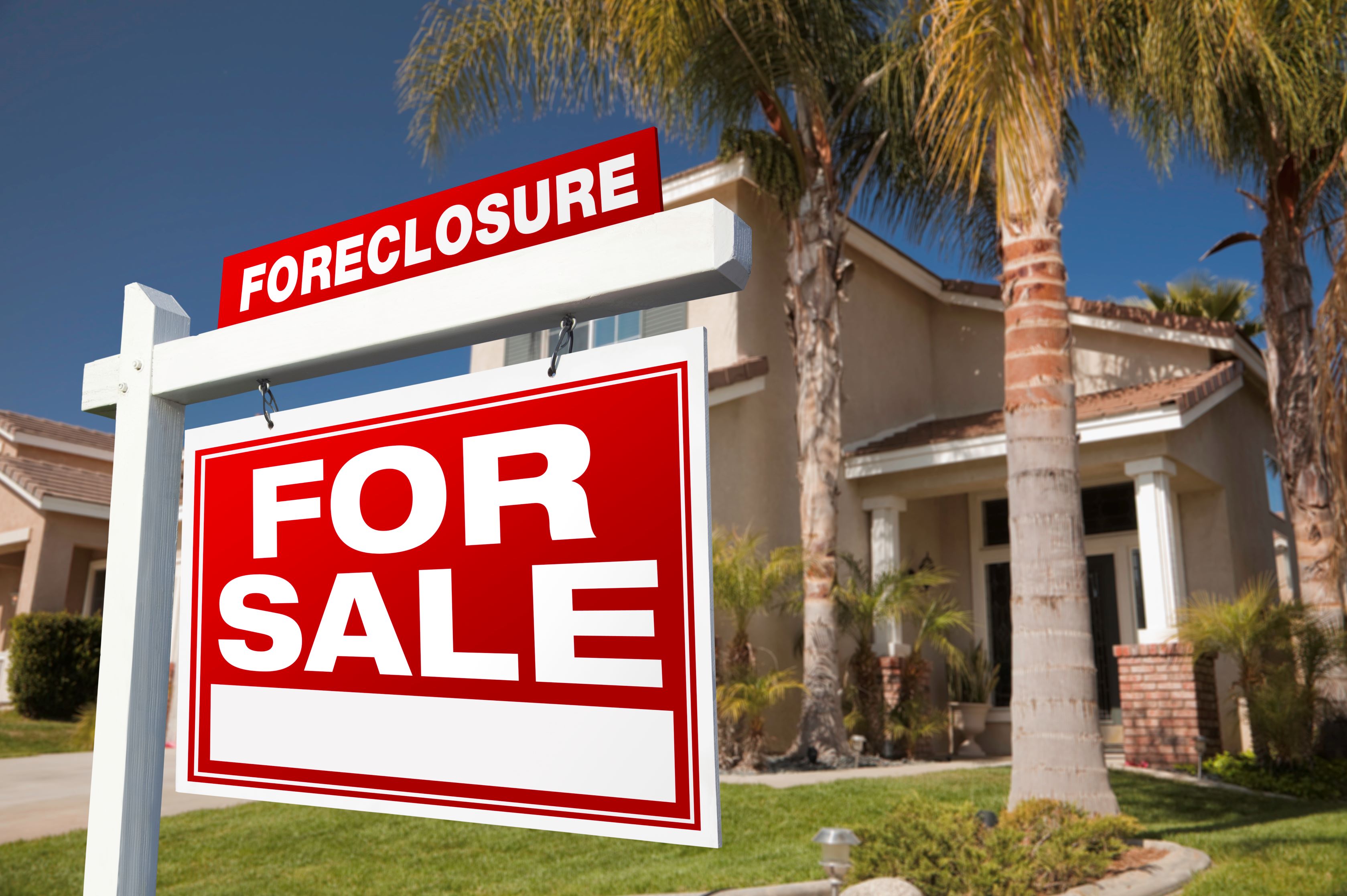
Schedule My Home Consultation- A foreclosure in North Carolina moves through three stages — pre-foreclosure, the courthouse auction, and bank-owned (REO). Each one buys differently and carries a different level of risk.
- The savings are real. Foreclosed homes here often list 20–30% below market value. So is the catch: most are sold as-is, and many need work.
- North Carolina runs a judicial foreclosure and gives the former owner a 10-day redemption period after the auction sale. That window matters before you buy at the courthouse steps.
- REO (bank-owned) homes are the safest entry point for an everyday buyer — you get a clean title, an inspection window, and room to finance.
The pull of a foreclosure is easy to understand. You hear a home in Cary sold for tens of thousands under what the house next door fetched, and you want in. In my 17+ years in the Raleigh-Durham Triangle, I've walked clients through foreclosure deals that turned into real equity — and I've talked others out of ones that would have buried them.
Buying a foreclosed home isn't like buying from a family down the street. The seller is usually a lender that never lived there, the home is sold as-is, and the paperwork runs deeper. Here's how I coach buyers through it so the deal works for you, not against you.
How Foreclosure Works in North Carolina
A foreclosure happens when a homeowner stops making mortgage payments and the lender moves to seize and sell the property. North Carolina handles this through a judicial process — the lender files in court before the home can be sold. Four steps drive it:
- Notice of Default — the lender tells the homeowner they've fallen behind.
- Filing of Foreclosure — if the default isn't cured, the lender files the foreclosure action.
- Court Hearing — a judge reviews the case and can grant a judgment of foreclosure.
- Sale of Property — the home goes to public auction.
One rule catches auction buyers off guard: North Carolina gives the former owner a 10-day redemption period after the sale, a window to reclaim the home by paying off the debt. Buy at the courthouse steps and your purchase isn't truly locked in until that clock runs out.
The Three Stages — and How You Buy at Each
“Foreclosure” isn't one thing. Where a home sits in the process decides how you buy it, how much risk you carry, and whether it fits a first-time buyer or someone with cash and a contractor on speed dial.
| Stage | How you buy | Risk | Who it suits |
|---|---|---|---|
| Pre-foreclosure (incl. short sales) | Directly from an owner who wants out before the process finishes; a short sale needs the lender to accept less than the balance owed. | Moderate | Patient buyers who can wait on lender approval and want a chance to inspect. |
| Auction (courthouse sale) | Public bidding at the sale; often demands cash or a large down payment, with little or no inspection beforehand. | High | Experienced, cash-ready buyers who can absorb surprises and the 10-day redemption window. |
| REO / bank-owned | Listed by the lender after the auction; you make an offer, inspect, and finance like a normal purchase. | Lower | Everyday buyers who want a deal with a clean title and room to negotiate. |
If you're a first-time buyer chasing a foreclosure, start with REO. It's the one stage that lets you inspect, finance, and walk away if the home doesn't check out.
What You Stand to Gain
A price below market
The headline draw is the discount. Foreclosed homes are often priced below market value, sometimes by 20–30%. In a Triangle market where prices have climbed year after year, that gap is real money — the difference between a house you couldn't touch and one you can.
Less competition
The foreclosure pool draws a different crowd than a polished listing on a Saturday open house. Fewer buyers chase a home that needs work, which thins the field — especially on properties most people scroll past.
Room to negotiate on bank-owned homes
When the seller is a bank sitting on an REO, you have leverage a nervous homeowner rarely gives you. Lenders don't want to hold real estate. They want it off the books, and a motivated seller is a buyer's best friend at the negotiating table.
Ready to find the right home in the Triangle? Let’s talk strategy before you tour a single property.
Schedule My Home ConsultationThe Risks You Have to Price In
Every dollar you save on price, you can hand back in repairs, liens, or legal cleanup if you skip the homework. These are the traps I watch for.
What draws buyers in
- Prices 20–30% below comparable homes
- A thinner field of competing buyers
- Negotiating leverage on bank-owned homes
- A path into neighborhoods that are otherwise out of reach
What can go wrong
- As-is condition and deferred maintenance — I've seen Wake County homes stripped of fixtures by owners on the way out
- Hidden problems like foundation damage or mold, costly in older pockets like Historic Oakwood in Raleigh
- Title issues — liens or ownership disputes riding along with the property
- The 10-day redemption period after an auction sale
- Cash or large down-payment demands at auction
Condition: assume nothing is maintained
Many foreclosed homes have been neglected, and some intentionally damaged. Without a real inspection you can miss the expensive things — a cracked foundation, mold behind the drywall. In older Raleigh neighborhoods, those fixes run into serious money.
Title: get it examined
Foreclosures can carry complicated title problems, including liens or disputes over who actually owns the home. Work with a reputable title company so you take ownership clean, not shackled to someone else's old debt.
How to Buy a Foreclosure Safely
Here's the order I walk buyers through so the discount stays a discount.
- Research the property's history. Pull previous sales, tax records, and known issues. The Wake County Register of Deeds is a strong starting point for the paper trail.
- Run a real market analysis. Look at comparable sales in the neighborhood and weigh school districts and proximity to amenities, so you know the home's true value before you name a number.
- Line up the right financing. An FHA 203(k) loan lets you roll the purchase and the renovation into one loan — built for homes that need work.
- Budget more for repairs than you think. Renovation costs tend to run past the first estimate, especially in older homes. Pad the number.
- Bring in professionals. An agent who knows foreclosures reads the local market for you, and a real estate attorney reviews contracts and handles legal snags before they cost you.
- Insist on a full inspection. Use an inspector who knows Triangle construction and our common problems, then build contingencies into your budget and timeline for whatever surfaces.
Why the Triangle Rewards Patient Foreclosure Buyers
Our foreclosure rates have generally run low against national averages, carried by a strong local economy and job market anchored in the universities and tech. That stability is a double edge for a foreclosure buyer: fewer distressed homes to pick from, but a market resilient enough that a smart purchase in Cary, Apex, Morrisville, Holly Springs, or a growing pocket of Durham holds and builds value over time.
A foreclosure can be a rewarding buy when you approach it with caution and preparation. Do the homework, budget for the unexpected, lean on professionals, and weigh the long-term potential over the sticker price. My team and I have guided plenty of Triangle buyers through this — reach out and we'll help you find the right foreclosure opportunity and steer you clear of the wrong one.
Ready to find the right home in the Triangle? Let’s talk strategy before you tour a single property.
Schedule My Home ConsultationFrequently Asked Questions
Ready to find the right home in the Triangle? Let’s talk strategy before you tour a single property.
Schedule My Home Consultation