Coronado Village is a 1970s neighborhood near downtown Cary, on Walnut Street and Warren Avenue. The original homes date to 1977; new construction here runs to 2027. It is the same story as the older neighborhoods around it, one decade later.
Early in the Cycle
Most of Coronado Village is still original. New construction is the exception, which puts this neighborhood earlier in its transition than its neighbors — and that is the interesting part for a buyer. Land in an early-cycle neighborhood has not fully re-rated, and the finished homes that do exist are pricing against a street that has not caught up yet.
The corresponding risk is the same one it always is: an early-cycle neighborhood may keep transitioning, or it may not. What makes it likely here is the walk to downtown Cary.
Walkability Is the Underlying Asset
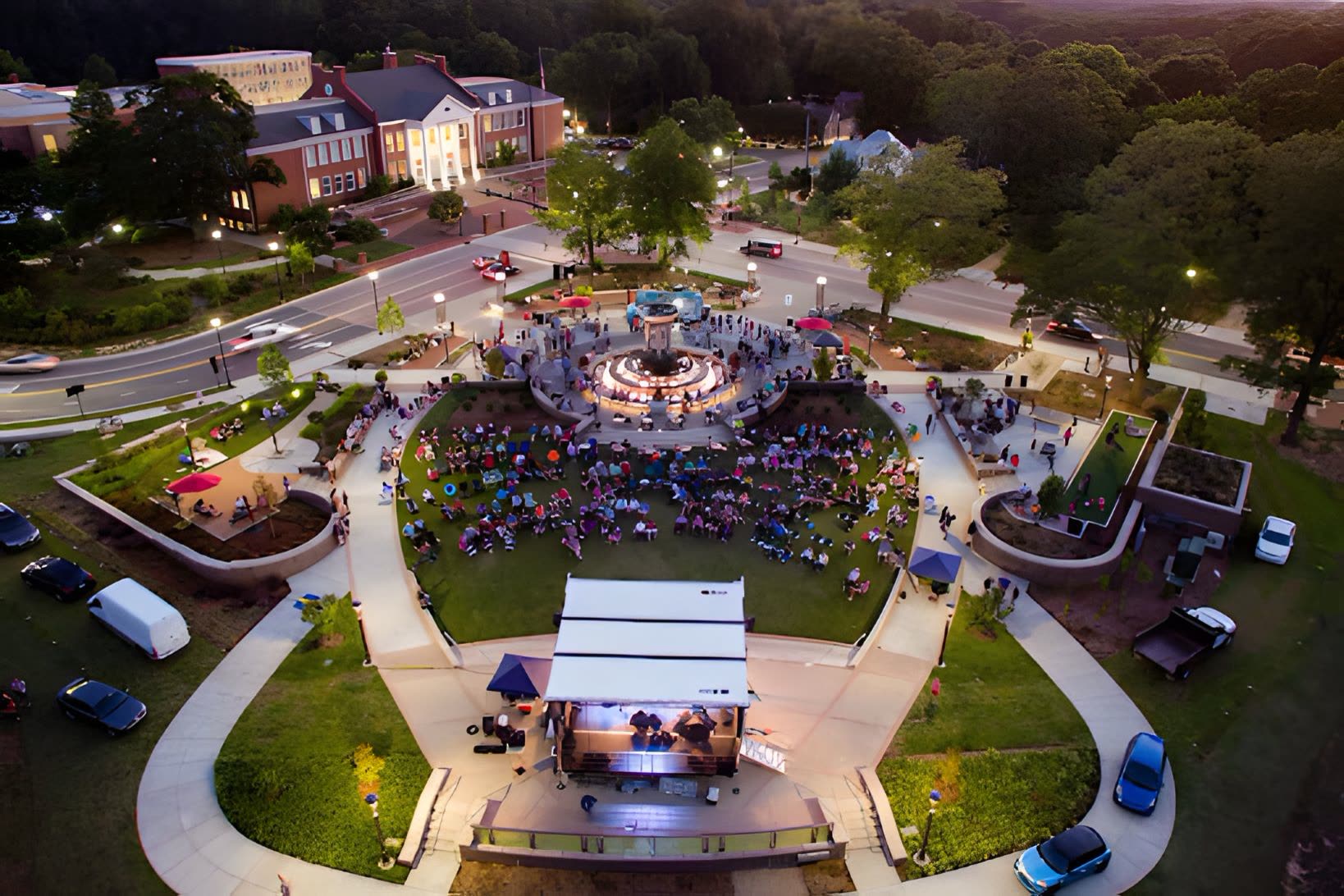
Downtown Cary has been rebuilt around its park and library over the last decade, and proximity to it is now a genuine amenity rather than a technicality. That is what supports land values in the neighborhoods immediately around it, and why 1970s houses on these streets are worth more than 1970s houses further out.
Coronado Village or Russell Hills?
Russell Hills is the older neighborhood nearby, further into the same process with a wider gap between original and new. Coronado Village is younger and earlier. Same search, different stage.
Buying in Coronado Village With a Team That Builds
Early-cycle neighborhoods reward buyers who can read what a lot supports before the market has priced it. That read — Cary's dimensional standards against the specific parcel — is what we do.
Related reading: the Raleigh infill lot and overlay checklist, how negotiation works in a North Carolina contract, and what the due diligence period really covers.