Thinking about selling? I’ll tell you what your property is really worth — no obligation.
Get My Free Home EvaluationFlooring is the first thing a buyer notices in a Triangle home, and it's one of the few finishes that touches every room. This page is for homeowners weighing hardwood, engineered wood, luxury vinyl, tile, and carpet, and trying to figure out what belongs where. I'll show you how they compare on cost, durability, moisture, and resale.
After 18 years selling and building homes in Raleigh, Durham, Chapel Hill, and the towns around them, I'll give you the same read I give my own clients: what each floor is, where it fails, and how to match it to a room.
The 30-second version
- Hardwood and engineered wood carry the most resale weight and read as timeless to Triangle buyers.
- Luxury vinyl plank (LVP) is the value pick: waterproof, scratch-tough, and it looks like wood for a fraction of the price.
- Tile (especially porcelain) owns the wet rooms, kitchens, baths, and entryways.
- Carpet still earns its place in bedrooms and bonus rooms for warmth and quiet, less so in main living areas.
- Match the floor to the room, not the whole house to one material, and mixing is normal.
- Moisture is the deciding factor more often than looks, our humidity and finished basements make it matter.
What the main flooring options actually are
Here are the materials I put in front of clients most often, and the honest version of each.
- Solid hardwood: solid wood that can be refinished many times, so one floor lasts generations. It's the resale leader, but it scratches and dislikes standing water. Pick a harder species like oak or maple if dents worry you.
- Engineered hardwood: a real-wood top layer over plywood. It handles our humidity and rooms over a slab or crawlspace better than solid wood, with the same warm look.
- Luxury vinyl (LVP and LVT): LVP mimics wood, LVT mimics stone or tile. Both are waterproof, comfortable, and scratch-tough, and click-lock versions install DIY. The catch is less resale value than natural materials.
- Tile (ceramic and porcelain): durable and water-resistant, with porcelain denser and tougher for high-traffic and wet areas. It can be cold underfoot, and a cracked tile is a chore to replace.
- Laminate: a printed wood look over a stable core, scratch- and fade-resistant, easy to install. It doesn't feel like real wood and can't be refinished.
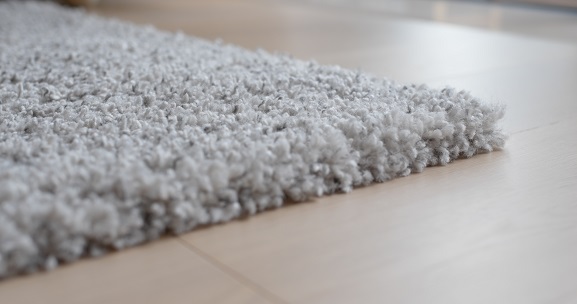
- Carpet: softness, warmth, and quiet for bedrooms and bonus rooms. Nylon is durable, polyester soft and often recycled, wool the higher-end natural pick. Harder to clean and less friendly to allergy sufferers.
How the options compare on what matters
Four factors decide most flooring choices: durability, moisture tolerance, cost, and resale impact. Here's how the field stacks up.
Best for resale & longevity
- Solid hardwood: refinishable, timeless, top resale draw.
- Engineered wood: wood look with better moisture behavior.
- Porcelain tile: decades of wear in the wet rooms.
Best for budget & moisture
- LVP / LVT: waterproof, tough, wood or stone look for less.
- Laminate: low cost, DIY-friendly, scratch-resistant.
- Carpet: cheapest comfort for bedrooms and bonus rooms.
A quick rule: if the room gets wet, lean tile or vinyl. If it sells the house, lean wood. If it's for sleeping, comfort can win.
Moisture decides more Triangle flooring choices than looks ever will.
Choosing room by room in a Triangle home
You don't have to run one material through the whole house, and most homes I sell don't. Match the floor to how the room is used.
- Kitchens: high-traffic and spill-prone, so durability and water resistance rule. Porcelain tile is the proven pick; waterproof LVT is the softer alternative.
- Bathrooms: moisture tolerance matters most. Porcelain tile leads; waterproof vinyl is the warmer option. Choose a slip-resistant surface either way.
- Living areas: comfort and looks lead, and this is where wood shines and pulls the most weight with buyers. Worried about dents? Go harder species or engineered wood.
- Bedrooms: carpet still makes sense for softness and quiet. Prefer a hard surface? Add an area rug. Upstairs, carpet or cork dampens sound.
- Basements: moisture territory. Stick to waterproof LVP, tile, or engineered wood, and skip solid hardwood and carpet to avoid warping and mold.
Thinking about selling? I’ll tell you what your property is really worth — no obligation.
Get My Free Home EvaluationSustainable and specialty options worth knowing
- Bamboo: a fast-growing grass, more renewable than tree wood, durable, distinctive.
- Cork: bark that regrows every few years, naturally antimicrobial, a strong heat and sound insulator.
- Reclaimed wood: salvaged from old structures, eco-friendly, full of character.
- Heated (radiant) flooring: warming elements under the surface. Electric suits small baths, hydronic suits larger areas, and it pairs well with tile as a comfort upgrade.
Installation, maintenance, and resale
How a floor goes in and how you care for it both feed into resale value. Click-lock laminate and luxury vinyl are built for DIY, which saves on labor. Hardwood, tile, and heated systems are worth hiring out, because correct installation protects the lifespan and often the warranty. A crooked tile job costs far more than the labor you saved.
Keeping each floor looking right
- Hardwood.Sweep often, damp (not wet) mop, felt pads under furniture, no excess water.
- Laminate.Dry or barely-damp mop, no abrasive cleaners, wipe spills right away.
- Tile.Mop with a mild detergent; treat grout periodically with a grout cleaner.
- Vinyl.Manufacturer-approved cleaner only; no wax or harsh chemicals.
- Carpet.Vacuum weekly, clean professionally each year, blot spills immediately.
What flooring does for resale
Hardwood consistently ranks among the best floors for resale, timeless and appealing to nearly every buyer. Tile in kitchens and baths reads as durable and low-maintenance, while tired wall-to-wall carpet can cool a buyer's interest. If you're updating floors as part of a full kitchen or bath remodel, coordinate them with the cabinets and picking countertops as one design decision, not three. And if resale is the goal, it pays to know which renovation styles that add value buyers here actually reward before you commit a dollar.
Frequently Asked Questions
Picking floors is a big decision, but it doesn't have to be a stressful one. If you're in the Raleigh-Durham area and want a straight read on what will look right, last, and pay off at resale, reach out. My team and I will help you land on the right floor for how you actually live.
Thinking about selling? I’ll tell you what your property is really worth — no obligation.
Get My Free Home Evaluation