
Ready to find the right home in the Triangle? Let’s talk strategy before you tour a single property.
Schedule My Home ConsultationGetting your first home is an awesome experience. It's a big step in life, just like finishing college, getting married, or having kids. It's thrilling, but it can also be a bit scary and confusing. Buying a home is the most expensive purchase most people in America will ever make. Just like anything new, you need to know what you're doing before you dive into the world of real estate. As the founder of the Tim M. Clarke Team, one of the top real estate teams in the Raleigh-Durham market, I've helped countless first-time homebuyers navigate this exciting journey in the Tar Heel State. With 17 years of experience under my belt, I've seen the North Carolina real estate market evolve and grow. Today, I'm here to share some crucial insights for those of you looking to make your first home purchase in our beautiful state.
Sadly, a lot of things you might think everyone would know aren't known by most first-time home buyers. In my career, I've found that I really enjoy working with first-time home buyers. Even though they need more help, I find it more rewarding. Let's break it down. Buying a home is a big deal. It's a huge moment in your life. You're probably feeling a mix of excitement and nervousness. That's normal. It's a big step to take. But it's also a lot of fun. You get to look at different houses and imagine your life in them. You get to dream about decorating your new home. But it can also be stressful. There's a lot to think about. You have to figure out how much you can afford. You have to decide where you want to live. You have to choose the right house. And there's a lot of paperwork to fill out. It can feel overwhelming.
Buying a home is also expensive. It's probably the most money you'll ever spend on one thing. That's why it's so important to be informed. You need to know what you're getting into. You need to understand how the process works. And you need to be prepared for the costs. Unfortunately, a lot of first-time home buyers don't know what they need to know. They think they do, but they don't. They're not aware of all the details. They don't know about all the costs. They don't understand all the steps. That's where I come in. In my job, I've found that I really enjoy helping first-time home buyers. I like guiding them through the process. I like helping them understand everything. I like seeing their excitement when they find the right house. And I like knowing that I helped them make a good decision.
Yes, first-time home buyers need more help. They have more questions. They need more guidance. But I don't mind. I find it rewarding. I like knowing that I'm helping them make one of the biggest decisions of their lives. I like knowing that I'm making a difference. So, if you're thinking about buying your first home in North Carolina, don't be scared. It's a big step, but it's also an exciting one. And remember, there are people like me who are here to help. We want you to succeed. We want you to find the perfect home. And we're here to guide you every step of the way. Now, let's dive into some key considerations for first-time home buyers in North Carolina.
Understanding the North Carolina Real Estate Market
The North Carolina housing market is as diverse as our state's landscape. From the bustling cities of Charlotte and Raleigh to the serene beaches of the Outer Banks and the majestic Blue Ridge Mountains, each region offers unique opportunities for homebuyers. In recent years, we've seen robust growth in home values across the state. Cities like Raleigh, Durham, and Charlotte have experienced particularly strong appreciation due to their thriving job markets and quality of life. The median home price in North Carolina has been steadily climbing, reflecting the state's economic strength and desirability. It's important to understand that North Carolina's real estate market isn't monolithic. The Triangle area (including Raleigh, Durham, and Chapel Hill) often sees different trends compared to the Triad (Greensboro, Winston-Salem, and High Point) or coastal regions like Wilmington. Each area has its own economic drivers and housing demands.
Which Questions to Ask When Buying a Home for The First Time
One of my top tips for my clients is to ask lots of questions. I always say, "there's no such thing as a dumb question." It's super important that you understand what you're buying. So, ask as many questions as you need to make the best choice for you and your family. If you're buying your first home, there's a lot to think about. From how much you can spend, to where you want to live, to finding the right house, it can feel like a lot. But here's some good news: asking a few key questions can make things easier. Start with, "what's the condition of the home?" You want to make sure it's safe and comfortable. You should also ask about the neighborhood. Is it safe? Then think about the size and layout of the house. Will it fit your needs? Ask about the house itself too. How old is it? What kind of heating and cooling system does it have? Is there room to grow in the future? Other good questions to ask are: How long has the house been for sale? Does it come with any special features? Are there any rules or restrictions? Next, ask about what's nearby. What kind of shops, restaurants, and fun things to do are in the area? Asking these questions and doing your homework will help you make a smart choice when you buy your first home. And lastly, ask yourself if this is really the right home for you. Buying a house is a big deal. It's important to make a smart, informed decision. By asking the right questions, you can make the process easier and find the perfect home for you and your family.
Financial Preparation for First-Time Buyers
Before you start house hunting, it's crucial to get your financial house in order. Most lenders in North Carolina look for a credit score of at least 620 for conventional loans, though some government-backed loans may accept lower scores. A higher score can help you secure better interest rates, potentially saving you thousands over the life of your loan. Your debt-to-income ratio (DTI) is another critical factor. Lenders typically prefer a DTI of 43% or lower, including your potential mortgage payment. This ensures you can comfortably afford your home without financial strain. North Carolina offers several programs to help first-time buyers with down payments. The NC Home Advantage Mortgage program provides down payment assistance up to 5% of the loan amount. The NC 1st Home Advantage Down Payment program offers $8,000 in down payment assistance to eligible first-time buyers and military veterans.
Parents' Influence On Your First Home Purchase
Even if your mom and dad are buying and selling homes in the same area and at the same time as you, they might not be able to give you the best advice. Sure, parents want to protect their kids. And as a first-time home buyer, it's good to get help from someone you trust.

But buying a house can get emotional. And those emotions can mess things up. Maybe your mom has bought a ton of properties. Maybe she was even on a home design show on HGTV last week. And maybe your dad built a whole neighborhood with just a hammer and five pieces of plywood. They're eager to help you buy your first home. But here's something they might not tell you: every builder is different. Every housing market is different. And those markets change all the time. Sometimes, your parents might remember a bad experience they had when they were buying a house. And that memory might make them give you advice that's not right for your situation. As real estate pros, it's hard for us to work with too many decision-makers. Especially when the person who's actually buying the house isn't the one making the decisions. People who aren't directly involved in the sale can really affect the outcome. They can keep you from exploring all your options. So, while it's good to have help when you're buying your first home, make sure you're the one in the driver's seat.
Unexpected Expenses When Buying a Home
If you're buying your first home in North Carolina, there's a lot to think about. One of the main things is making sure you have enough money for unexpected costs.

When you're planning your budget, remember to think about more than just the price of the house and how much you'll put down. There are many other costs you need to consider to make sure everything goes smoothly. These might include closing costs, the cost of inspecting the house, the fee for getting the house appraised, and any money you'll need to fix the house. These costs can add up fast. And if you make it all the way to closing, don't forget about the cost of moving and buying furniture. In North Carolina, when you buy a house, it usually doesn't come with things like a fridge or a washer and dryer. If the seller decides to take these things with them, you'll need to plan for the cost of buying new ones. So, make sure to keep all these extra costs in mind as you plan your budget.
How Much Money Should I Have Saved to Buy a House?
A big question is, "How much money do I need to save to buy a house?" The answer depends on a few things. These include the type of loan you can get, how much you'll put down, and the closing costs you'll have to pay.
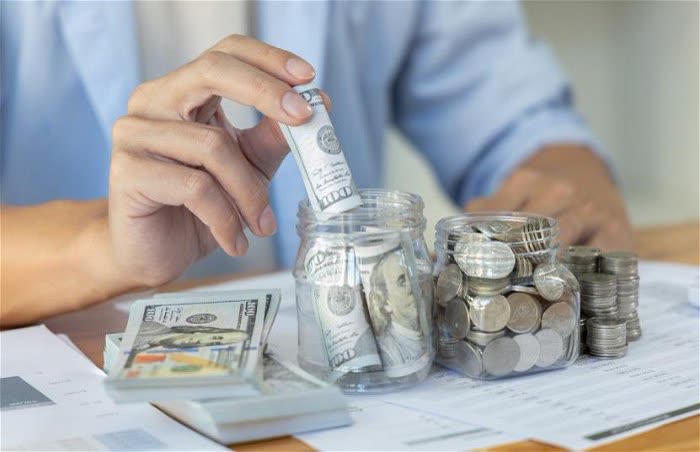
Before you start looking at houses, you need to sort out your finances. The best way to do this is to talk to some lenders. Usually, it's good to have at least 3-5% of the home's price saved for the down payment. Besides that, you'll also need to pay for closing costs. These can be anywhere from two to six percent of the home's price. And of course, you'll need to have enough saved to make your monthly mortgage payments. Things like your credit, how much debt you have compared to your income, how much money you have in the bank, your tax returns, and your work history can all affect your ability to buy a home. You can have multiple hard inquiries on your credit for a mortgage in 30 days. But, more than 3 in that 30 days can hurt your credit score. In other words, talk to at least 3 different lenders to see who can give you the best deal. The exact amount you need to save will vary. It depends on the type of home, where it's located, and other things. But, there are some basic rules you should follow. Generally, aim to have at least 3-5% of the purchase price saved for a down payment. You'll also need to think about closing costs and other expenses, like inspections and appraisals. Lastly, you should have enough savings to cover at least three months of mortgage payments in case something unexpected happens.
Navigating the Home Buying Process in North Carolina
As a North Carolina real estate professional, I can't stress enough the importance of working with a local expert. A realtor who knows the ins and outs of your target area can provide invaluable insights on neighborhoods, school districts, and future development plans. North Carolina is an attorney state for real estate transactions. This means that a licensed attorney must be involved in the closing process. They'll review all documents, ensure proper title transfer, and protect your legal interests throughout the transaction. The home buying process in North Carolina typically includes these steps: get pre-approved for a mortgage, house hunting, make an offer, enter the due diligence period, home inspection and appraisal, final loan approval, and closing.
Do You Need a Realtor to Buy a House?
"Can I buy a house without a real estate agent?" Many people ask this, and the short answer is yes, you can. Often, this question comes up when someone walks into a builder's office. They think the agent there will look out for them and only them. But that's not true. Also, some people think they can get a discount on the house if they don't have an agent. That's not true either. Skipping out on having an agent when you're buying a house is a bad idea, especially since the seller usually pays for it. As real estate agents, we have a duty to protect our clients. We look out for their best interests, and only their best interests. In most cases, the seller pays the commission for both the buyer's agent and the seller's agent. So, for the buyer, having an agent is essentially free. The agent helps guide you through the process of buying a home. Yes, you can sell or buy a house without an agent. But in many cases, you might end up losing money if you don't have an agent's help. So, it's usually a good idea to have an agent on your side when you're buying a house.
Home Buying Deals Do Get Canceled
Buying a home is a big deal. But sometimes, even with everyone trying their best, deals can fall through. This can happen because of problems found during appraisals and inspections, or issues with mortgage lenders. So, not every home buying deal makes it to the final stage.
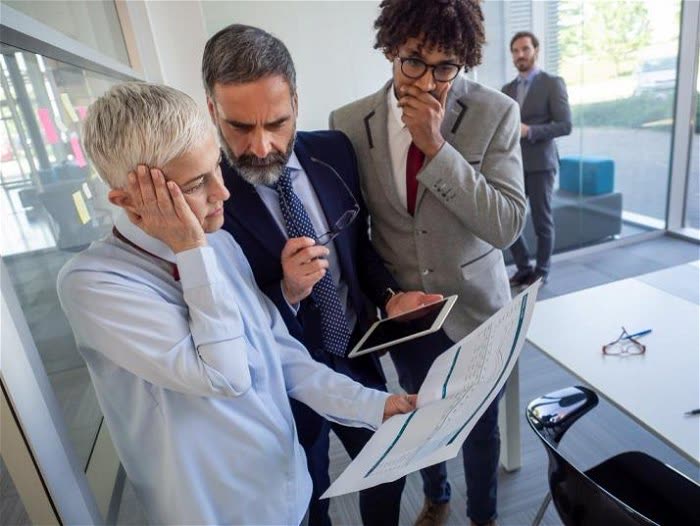
Knowing the possible risks is important. Having a plan to handle them is also key. It's also crucial to understand the real estate market and the different ways you can finance your home. There are other things to think about too. These include where the home is located, its condition, the neighborhood, and its price. Finally, do your homework on home buying resources and programs. This will help you get the best deal and make a smart investment. Don't let this scare you away from buying your first home. It's just part of how real estate works.
Ready to find the right home in the Triangle? Let’s talk strategy before you tour a single property.
Schedule My Home ConsultationThere is No "Finding The Perfect House"
Every house is unique, with its own good and bad points. Honestly, you won't know what kind of house suits your lifestyle until you've bought one and lived in it for a while. Finding the perfect "forever home" on the first try is rare. Even if you do, you might not realize what you're missing. It could be a bigger house, a better location, or a better deal. Once you live in your new home, you'll start to notice things you don't like. For example, you might have dead trees that drop branches on your house and car during storms. Or, you might find it annoying that the laundry room is on a different floor than your bedroom. You won't know these things until you deal with them every day. But don't worry, many of these problems can be fixed. This can help make your home more to your liking.
The Importance of School Districts When Buying a House
Good schools can really boost the value of houses in an area. In fact, many builders plan their projects around successful schools or school districts.

Even if you don't have kids, the school district your house is in can have a big impact on its value. Houses near top-notch schools are in high demand. So, if you can, try to buy a house in a district with a track record of high rankings. It could be a smart move for your wallet.
Navigating the Home Buying Process in North Carolina
As a North Carolina real estate professional, I can't stress enough the importance of working with a local expert. A realtor who knows the ins and outs of your target area can provide invaluable insights on neighborhoods, school districts, and future development plans. North Carolina is an attorney state for real estate transactions. This means that a licensed attorney must be involved in the closing process. They'll review all documents, ensure proper title transfer, and protect your legal interests throughout the transaction. The home buying process in North Carolina typically includes these steps: get pre-approved for a mortgage, house hunting, make an offer, enter the due diligence period, home inspection and appraisal, final loan approval, and closing.
Do You Need a Realtor to Buy a House?
"Can I buy a house without a real estate agent?" Many people ask this, and the short answer is yes, you can. Often, this question comes up when someone walks into a builder's office. They think the agent there will look out for them and only them. But that's not true. Also, some people think they can get a discount on the house if they don't have an agent. That's not true either. Skipping out on having an agent when you're buying a house is a bad idea, especially since the seller usually pays for it. As real estate agents, we have a duty to protect our clients. We look out for their best interests, and only their best interests. In most cases, the seller pays the commission for both the buyer's agent and the seller's agent. So, for the buyer, having an agent is essentially free. The agent helps guide you through the process of buying a home. Yes, you can sell or buy a house without an agent. But in many cases, you might end up losing money if you don't have an agent's help. So, it's usually a good idea to have an agent on your side when you're buying a house.
There is No Real "Right Time to Buy" a House
The housing market is like a living thing. It changes all the time and can be hard to predict. You can't really time it perfectly. Sure, there are times when it's generally better to buy. But there's no "perfect" time to buy a house. If you buy a home in good condition and with fair mortgage terms, you're likely to get your money back when you sell. But remember, even if you buy when the market favors buyers, things could change by the time you sell. The best time to buy is when it feels right to you. Buying a home can feel overwhelming. But having the right info can make it less stressful. Try to learn as much as you can about the process before you start talking to real estate agents. Once you find the right agent and lender, they can help guide you through the home buying process.
Final Thoughts From Tim
As a real estate agent with 17 years of experience and founder of the Tim M. Clarke Team in North Carolina's Triangle area, I've seen it all. Here's my advice to make your home buying experience a good one. First, know your budget. Understand what you can afford and stick to it. This will help you avoid financial stress later. Second, research. Learn about the area where you want to buy. Check out the schools, parks, shops, and other amenities. This will help you choose a home in a neighborhood that fits your lifestyle. Third, get pre-approved for a mortgage. This shows sellers that you're serious and ready to buy. Finally, find a good real estate agent. Look for someone with experience in the area where you want to buy. They should also have good reviews and a solid track record. A good agent can guide you through the process and help you find the right home for you. Remember, buying a home is a big decision. Take your time, do your homework, and make sure it's the right move for you. With the right approach and the right team, you can find a home you love and have a smooth buying experience.
Ready to find the right home in the Triangle? Let’s talk strategy before you tour a single property.
Schedule My Home ConsultationFrequently Asked
What are some key points to consider as a first-time home buyer in North Carolina?
Understanding your budget, researching the local market, getting pre-approved for a mortgage, and finding a reputable real estate agent are all crucial steps in the home buying process.
How does the real estate market in North Carolina differ from other states?
The real estate market in North Carolina can be quite competitive due to the state's growing population and strong economy.
It's important to be prepared and act quickly when you find a home you love.
What kind of financial preparations should I make before buying a home in North Carolina?
Start by getting a clear understanding of your budget.
This includes knowing your credit score, saving for a down payment, getting pre-approved for a mortgage, and setting aside money for closing costs and other expenses.
Are there any specific programs or incentives for first-time home buyers in North Carolina?
Yes, North Carolina offers several programs for first-time home buyers, including down payment assistance programs and tax credits.
Your real estate agent or lender can help you explore these options.
How can I find a good real estate agent in the Triangle area of North Carolina?
Look for an agent with experience in the Triangle area, good reviews, and a solid track record. The Tim M. Clarke Team is a great place to start.
How does the quality of schools in North Carolina impact the local real estate market?
Schools can greatly impact property values. Homes in districts with high-ranking schools tend to be in higher demand, which can drive up prices.
What is the importance of getting pre-approved for a mortgage in North Carolina's housing market?
Getting pre-approved shows sellers that you're serious about buying and financially capable. In a competitive market like North Carolina, this can give you an edge over other buyers.
What are some common mistakes first-time home buyers make in North Carolina and how can I avoid them?
Common mistakes include not understanding their budget, skipping the pre-approval process, not researching the local market, and not working with a reputable real estate agent.
Avoid these mistakes by doing your homework and seeking professional advice.
How can I assess the value of a home in North Carolina?
Consider factors like the home's condition, location, size, and the selling prices of similar homes in the area. A good real estate agent can help you determine a home's value.
What steps should I take after I've decided to buy a home in North Carolina?
Once you've decided to buy, get pre-approved for a mortgage, find a reputable real estate agent, start looking at homes, make an offer, get a home inspection, and close on the home.
Your real estate agent can guide you through this process.
Ready to find the right home in the Triangle? Let’s talk strategy before you tour a single property.
Schedule My Home Consultation