Ready to find the right home in the Triangle? Let’s talk strategy before you tour a single property.
Schedule My Home ConsultationAs Tim Clarke, founder of the Tim M. Clarke Team and a seasoned real estate agent in the Raleigh-Durham Triangle area, I've seen my fair share of foreclosures over the years. Today, I'm going to break down this complex topic for you, offering insights from my 17 years of experience in the field.
Introduction to Foreclosures
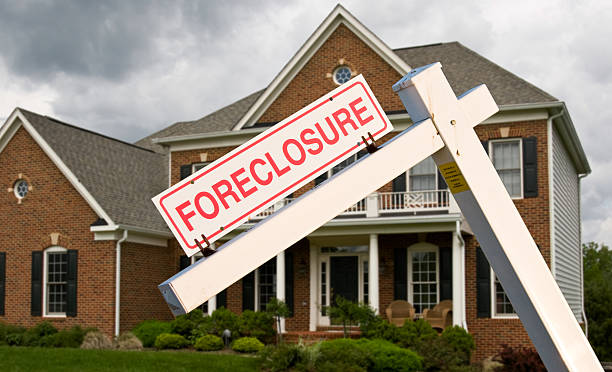
Foreclosure is a word that can send shivers down a homeowner's spine. It's a legal process where a lender attempts to recover the balance of a loan from a borrower who has stopped making payments by forcing the sale of the asset used as collateral for the loan. In simpler terms, it's when the bank takes back your house because you can't pay the mortgage.
What is Foreclosure?
At its core, foreclosure is a legal mechanism that allows lenders to recoup their losses when borrowers default on their loans. When you take out a mortgage, you're essentially making a promise to the bank: "I'll pay you back, and if I don't, you can take my house." Foreclosure is the bank making good on that promise.
There are two main types of foreclosures: judicial and non-judicial. In a judicial foreclosure, the lender must go through the court system to foreclose on a property. This is common in states like Florida and New York. Non-judicial foreclosures, on the other hand, don't require court intervention and are typically faster. States like California and Texas often use this method.
The Impact of Foreclosures
Foreclosure can be devastating for homeowners. Not only do they lose their home, but their credit score takes a massive hit, making it difficult to secure loans or even rent apartments in the future. It's not just a financial blow; it's an emotional one too.
Foreclosures don't just affect individual homeowners; they can impact entire neighborhoods. A foreclosed home often sits vacant, potentially becoming an eyesore or attracting crime. This can lead to a decrease in property values for the whole neighborhood.
On a larger scale, high foreclosure rates can indicate economic trouble. During the 2008 financial crisis, the surge in foreclosures was both a symptom and a cause of the broader economic downturn.
Causes of Foreclosure
Understanding why foreclosures happen is crucial for both prevention and navigation of the process.
Financial Hardships
In my experience, job loss is one of the most common triggers for foreclosure. When the paychecks stop coming, keeping up with mortgage payments becomes a real challenge.
Life can throw curveballs. A sudden illness or accident can lead to sky-high medical bills, making it tough to keep up with mortgage payments.
When couples split, the financial strain can be enormous. Suddenly, a two-income household becomes a one-income household, but the bills don't change.
Market Conditions
Remember the 2008 housing crisis? When home values plummet, some homeowners find themselves underwater on their mortgages, owing more than their home is worth.
For homeowners with adjustable-rate mortgages (ARMs), a spike in interest rates can lead to unaffordable monthly payments.
Poor Financial Management
Sometimes, people bite off more than they can chew, taking on mortgages that stretch their budgets to the breaking point.
Without a solid financial plan and budget, it's easy to fall behind on payments, especially when unexpected expenses crop up.
The Foreclosure Process
The foreclosure process can be complex and varies by state. Here's a general overview of how it typically unfolds.
Pre-Foreclosure
Most lenders offer a grace period of 10-15 days for late payments. After that, late fees kick in.
If you miss several payments (usually 3-6 months), the lender will send a Notice of Default. This is your wake-up call that foreclosure proceedings are about to begin.
Judicial Foreclosure
In states that use judicial foreclosure, the lender must file a lawsuit to initiate foreclosure. You'll receive a summons and have the chance to respond in court.
Judicial foreclosures can take several months to over a year, depending on the state and how backed up the courts are.
Non-Judicial Foreclosure
Non-judicial foreclosures rely on a power of sale clause in the mortgage or deed of trust. This clause gives the lender the right to sell the property if you default.
Non-judicial foreclosures are typically faster than judicial ones, but the timeline can still vary widely depending on state laws.
Foreclosure Sale
Most foreclosed properties are sold at public auction. These auctions can be held at the county courthouse, online, or at the property itself.
If the property doesn't sell at auction, it becomes an REO property, owned by the bank. These properties are often sold through real estate agents.
Ready to find the right home in the Triangle? Let’s talk strategy before you tour a single property.
Schedule My Home ConsultationOptions for Homeowners Facing Foreclosure
If you're facing foreclosure, don't panic. There are several options available that might help you keep your home or at least minimize the financial damage.
Loan Modification
A loan modification changes the terms of your mortgage to make it more affordable. This could involve extending the loan term, lowering the interest rate, or even reducing the principal balance.
To be eligible for a loan modification, you typically need to demonstrate financial hardship. The application process usually involves submitting financial documents and a hardship letter to your lender.
Short Sale
In a short sale, the lender agrees to let you sell the home for less than what you owe on the mortgage. This can be a good option if you're underwater on your mortgage.
While a short sale will still negatively impact your credit, it's generally less damaging than a foreclosure. However, the process can be lengthy and complicated.
Deed in Lieu of Foreclosure
With a deed in lieu of foreclosure, you voluntarily transfer ownership of the property to the lender to satisfy the debt. This can be faster and less stressful than going through foreclosure.
This might be a good option if you're unable to qualify for a loan modification or complete a short sale, and you want to avoid the foreclosure process.
Bankruptcy
Chapter 7 bankruptcy involves liquidating your assets to pay off debts, while Chapter 13 bankruptcy involves restructuring your debts into a repayment plan.
Filing for bankruptcy can temporarily halt foreclosure proceedings, giving you time to catch up on payments or explore other options.
Buying Foreclosed Properties
For investors and homebuyers, foreclosed properties can present unique opportunities and challenges.
Types of Foreclosure Purchases
Buying a home in pre-foreclosure can be a win-win: you get a good deal, and the homeowner avoids foreclosure.
Auction purchases can offer great deals but come with significant risks. Often, you can't inspect the property beforehand, and you might be responsible for existing liens.
REO properties are often easier to buy than auction properties. You can usually get an inspection, and the bank will have cleared any liens.
Benefits of Buying Foreclosures
Foreclosed properties are often priced below market value, offering potential for significant savings or investment returns.
Depending on the market, you might face less competition for foreclosed properties, especially if they need significant repairs.
Risks and Challenges
Foreclosed homes often need repairs, sometimes extensive ones. Factor this into your budget when considering a purchase.
Always get a title search when buying a foreclosed property. There might be outstanding liens or other title issues.
While some foreclosure auctions have little competition, others can be highly competitive, driving up prices.
Due Diligence for Foreclosure Purchases
Whenever possible, get a thorough inspection before buying a foreclosed property. This can save you from expensive surprises down the line.
Always get a title search and title insurance when buying a foreclosed property. This protects you from potential title issues.
Do your homework on the local real estate market. Just because a property is foreclosed doesn't automatically make it a good deal.
Legal and Ethical Considerations
Foreclosures involve complex legal and ethical considerations that all parties should be aware of.
Homeowner Rights
In some states, homeowners have a right of redemption, allowing them to reclaim their property for a certain period after foreclosure by paying off the mortgage debt.
Various laws, like the Fair Debt Collection Practices Act, protect homeowners during the foreclosure process.
Lender Responsibilities
Lenders must follow fair lending practices and cannot discriminate based on race, color, religion, national origin, sex, familial status, or disability.
Under federal law, mortgage servicers must work with borrowers to determine if loss mitigation options are available before moving to foreclosure.
Ethical Considerations for Investors
As investors, we need to balance our desire for profit with social responsibility. Foreclosures can be traumatic for families and communities.
Consider the impact of your investments on the broader community. Responsible investors can play a role in stabilizing neighborhoods affected by foreclosures.
Ready to find the right home in the Triangle? Let’s talk strategy before you tour a single property.
Schedule My Home ConsultationConclusion: Navigating the World of Foreclosures
Foreclosures are a complex and often emotional aspect of real estate. Whether you're a homeowner facing potential foreclosure or an investor looking to purchase foreclosed properties, it's crucial to approach the situation with knowledge, empathy, and professional guidance.
As a real estate professional with nearly two decades of experience in the Raleigh-Durham Triangle area, I've seen the impact of foreclosures firsthand. They can be devastating for families and communities, but with the right approach, we can mitigate some of the negative effects and even find opportunities for growth and renewal.
If you're facing foreclosure, remember that you have options. Don't wait until it's too late to seek help. Reach out to your lender, consult with a HUD-approved housing counselor, or speak with a real estate professional who can guide you through your options.
For those considering investing in foreclosed properties, do your due diligence. These properties can offer great value, but they come with unique challenges and responsibilities. Always conduct thorough inspections, title searches, and market analyses before making an offer.
At the Tim M. Clarke Team, we're committed to helping our clients navigate the complexities of the real estate market, including foreclosures. Whether you're facing foreclosure or looking to invest in foreclosed properties, we're here to provide expert guidance and support.
Remember, in real estate, knowledge is power. Stay informed, seek professional advice, and make decisions based on solid information and careful consideration.
If you're dealing with foreclosure issues or interested in foreclosure investments in the Raleigh-Durham area, don't go it alone. Reach out to the Tim M. Clarke Team today. We're here to help you navigate these complex waters and achieve the best possible outcome for your unique situation. Let's work together to turn challenges into opportunities.
Frequently Asked Questions About Foreclosures
What is foreclosure?
Foreclosure is a legal process that happens when a homeowner can't keep up with their mortgage payments. The lender, often a bank, can take back the property and sell it to recover their money.
What causes foreclosure?
Foreclosure usually occurs when a homeowner can't make their mortgage payments. This could be due to high-interest rates, financial hardship, or taking on too much debt tied to real estate.
What should I do if I'm facing foreclosure?
The crucial first step if you're facing foreclosure is to contact your lender. They may be willing to negotiate alternate payment arrangements.
How does the foreclosure process start?
The foreclosure process starts when a lender files a public notice of default, usually after several missed mortgage payments. The homeowner will receive a copy of this notice.
What happens during a public sale in a foreclosure?
During a public sale, the foreclosed property is sold, usually at an auction. The proceedings are used to cover the homeowner's remaining debt.
If I can't pay my mortgage, can I save my home from foreclosure?
Yes, in some cases. If you're able to bring your loan current within five days before the sale date, the foreclosure process stops and your mortgage is reinstated.
What's a "balloon payment"?
A balloon payment is a large lump-sum payment due at the end of certain mortgage agreements. It's often significantly larger than the previous repayments.
Can I buy a foreclosed property?
Yes, you can buy a foreclosed property at a public sale. However, buyers need to be aware that these properties can come with issues like liens, overdue taxes, and clouded titles.
What is title insurance?
Title insurance protects buyers from any unexpected claims or legal issues tied to the title of the property they're buying.
Is buying a foreclosed property a good idea?
It can be, but it's essential to be aware of the pitfalls. Foreclosed properties often come with extra costs such as overdue taxes or liens, and title insurance may also have limitations. It's vital to do thorough research and consult professionals like a title company before buying.
Ready to find the right home in the Triangle? Let’s talk strategy before you tour a single property.
Schedule My Home Consultation