Building or buying new? Let’s make sure the builder’s contract works for you — not just for them.
Schedule a New Construction ConsultationKey Takeaways
- The best lots hide in plain sight. A tired 1950s ranch on a big lot inside the Beltline is a teardown opportunity long before it hits the MLS as one.
- Buildability beats price. Zoning, utilities at the street, legal access, and soil decide whether a lot pencils — check all four before you fall for the location.
- Two small lots can beat one big one. Lot assembly — buying adjacent parcels — can unlock frontage, setbacks, or density a single parcel can’t.
- Speed wins infill. Good Triangle lots move in days, so line up your builder, lender, and diligence checklist before you go looking.
A quick note: This is educational, not legal, tax, or financial advice. Zoning, utility, and easement questions turn on the specific parcel — confirm anything material with a local land-use attorney and the city or county planning office before you buy.
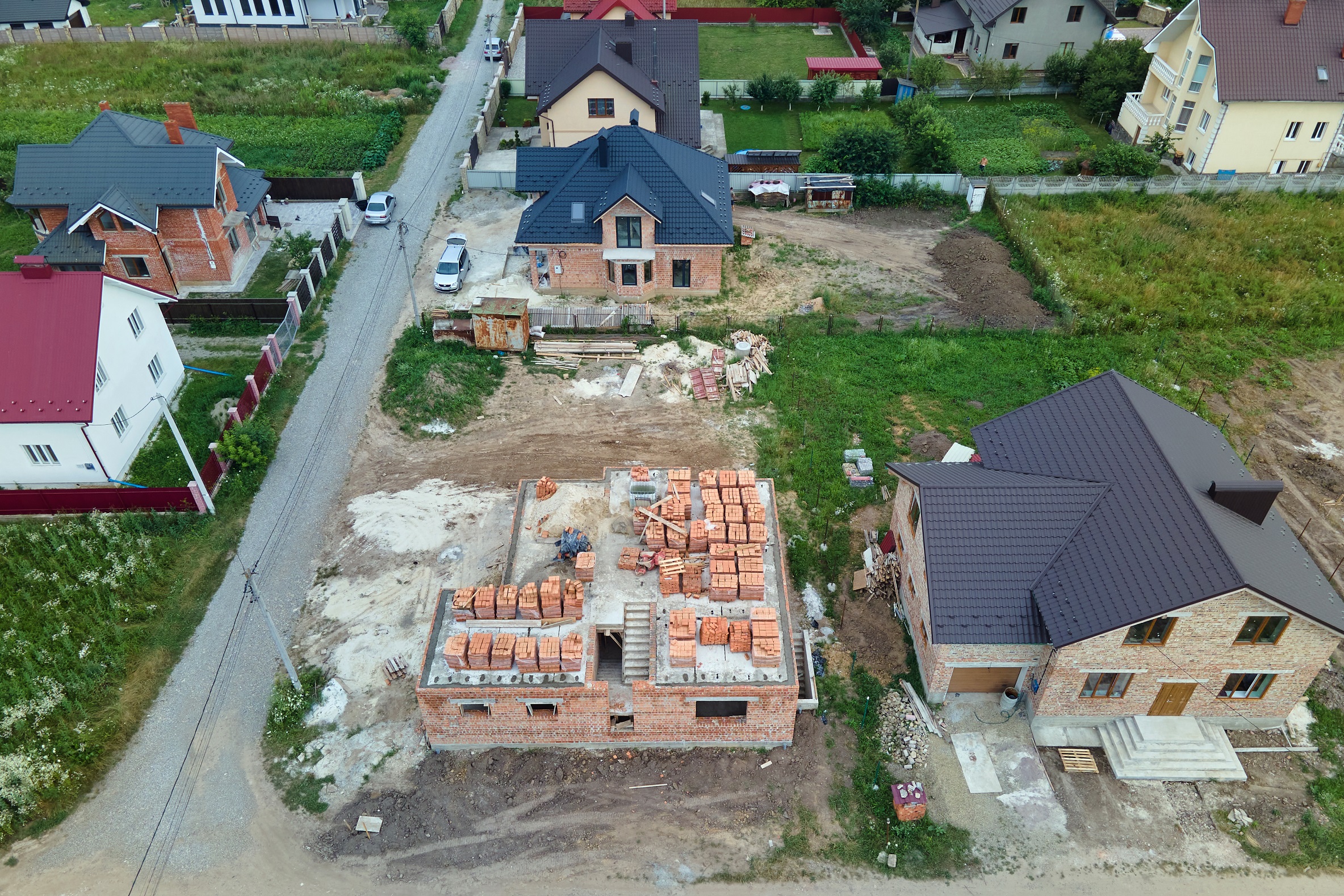
Everybody wants to build inside the Beltline, in Old West Durham, near Southern Village — the established, walkable pockets of the Triangle where there’s no raw land left. So the land you build on is almost always land that already has something on it, or a leftover parcel a subdivision skipped over. That’s infill, and finding the lot is a different skill than designing for it.
In 17+ years across Raleigh, Durham, and Chapel Hill, I’ve learned that the lot is the deal. Get the lot right and the rest of the build has room to go well. Get it wrong — bad access, no sewer at the street, dirt that won’t hold a slab — and no amount of design saves it. Here’s how I actually find them.
Where the opportunities hide
Infill lots come in two flavors: the vacant parcel nobody built on, and the teardown — an aging house on land worth more than the structure. In our market the teardowns are where the real inventory is.
Vacant-lot signals
- Skipped parcels between two built homes on an otherwise full street.
- Odd-shaped remnants a subdivision platted around.
- Corner or double-frontage lots with room for a second address.
- Long-held family land near appreciating neighborhoods.
Teardown signals
- A small, dated ranch or cottage on an oversized lot.
- Deferred maintenance where the land value clearly outruns the house.
- Estate sales and long-tenured owners inside the Beltline or near Duke.
- Sale prices where recent neighbors sold as “lot value.”
I find them three ways. First, I read the neighborhoods on foot and by car — the one house that hasn’t turned over in 40 years on a street that’s otherwise been rebuilt tells you something. Second, county GIS and tax records: I sort for older structures on high land-value parcels, then check ownership tenure. Third, relationships — other agents, contractors, and neighbors know which owners are thinking about selling before a sign ever goes up. That off-market flow is where I win lots for clients.
The lot is the deal. Everything downstream is easier when you start from the right dirt.
Vet the lot for buildability
A parcel can look perfect on a map and be unbuildable in practice. Before I let a client get attached, I run four checks — and I run them in this order, because each one can kill the deal on its own.
- Zoning and what it allowsPull the zoning district and confirm your intended use, setbacks, height, and lot-coverage limits. In Raleigh, watch impervious-surface caps and overlay districts; near Duke and UNC, watch neighborhood conservation overlays that restrict scale.
- Utilities at the streetConfirm public water and sewer are actually at the frontage, not two lots down. A lot without sewer may need a septic system — which needs a soil evaluation and enough room for a drainfield. That single fact reshapes the whole build.
- Legal, physical accessThe lot needs real frontage on a public road or a recorded, usable easement. Flag landlocked parcels, shared driveways, and access that crosses someone else’s land — that’s a title and survey question, not a hope.
- Soil, slope, and waterSteep grade means grading and retaining-wall dollars. Poor or expansive soil changes your foundation. Floodplain, wetlands, or a creek buffer can wipe out your buildable footprint entirely — check FEMA maps and any riparian buffers before you write.
Zoning and permitting are dense enough that I treat them as their own workstream. If you want to go deeper on the rules side, my guide to zoning regulations for infill breaks down the districts and overlays you’ll run into here. And once you have a candidate lot, designing to its constraints is its own discipline — that’s a separate lane from finding it, covered in designing for infill.
When two lots beat one: assembly
Sometimes the opportunity isn’t one parcel — it’s two. Lot assembly means buying adjacent parcels and combining them, and it can unlock frontage, setback relief, or a buildable width that neither lot delivers alone. I’ve seen a narrow, awkward Durham lot become genuinely buildable the moment the sliver next door came with it.
Assembly is slower and more complex — you’re negotiating with two sellers, and either one can hold out. But when the numbers work, it turns a marginal site into a strong one. The key is understanding what recombination lets you do under the local code before you tie up either parcel.
Building or buying new? Let’s make sure the builder’s contract works for you — not just for them.
Schedule a New Construction ConsultationMove fast when one appears
The hard truth about Triangle infill: the good lots don’t sit. When a well-located teardown or vacant parcel surfaces, it can go under contract in days, often to a builder who already had cash and a plan ready. If you want to compete, you prepare before you shop, not after.
Being ready means three things are already in place: a builder who can quickly tell you whether a lot works and what it’ll cost to prep, financing lined up so buying the land to build doesn’t stall on approvals, and a diligence checklist you can run in a day. Line those up and you can act on the right lot while everyone else is still calling their lender. If infill is new to you, start with the broader introduction to infill real estate in the Triangle, then come back and go hunting.
Frequently Asked Questions
Ready to go hunting? My team and I track teardown and vacant-lot opportunities across the Triangle every week — tell me the neighborhoods you love and the home you want to build, and we’ll find you the dirt to build it on. My team and I will follow up.
Building or buying new? Let’s make sure the builder’s contract works for you — not just for them.
Schedule a New Construction Consultation