
Thinking about selling? I’ll tell you what your property is really worth — no obligation.
Get My Free Home Evaluation- Clutter competes for a buyer's attention — Princeton researchers found it lowers focus and raises stress, so a clear room lets buyers picture themselves living there.
- Work by category, not by room: clothes, books, papers, miscellaneous, then sentimental items last. This stops you from just shuffling mess down the hall.
- Go room by room with a system — clear countertops in the kitchen, a sanctuary bedroom, a digital-first home office.
- Keep it gone with a "one in, one out" rule and a 15-minute daily reset.
In 17+ years selling homes across the Raleigh-Durham Triangle, I've walked through pristine showpieces and chaotic clutter caves — and everything in between. The pattern is hard to miss. The homes with less stuff sell faster, and it's not luck.
When a buyer walks into a clear room, they stop looking at your belongings and start imagining their own life in the space. That mental shift is what closes a sale. And the same clarity that sells your house also makes daily life lighter. Here's how I'd tackle it.
Why decluttering matters more than you think
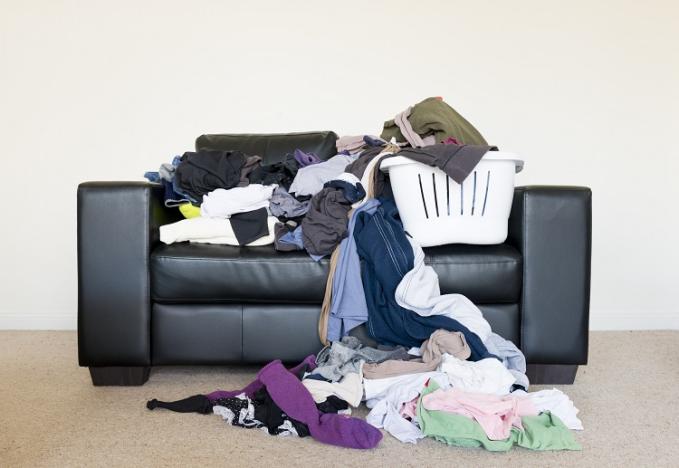
Let's be honest — we've all stood in a room drowning in stuff, feeling that low hum of stress. That feeling isn't in your head. Neuroscientists at Princeton University found that physical clutter competes for your attention, which drops your performance and raises your stress. Picture a browser with forty tabs open. Your brain is trying to process every one, and it wears you out.
That's why decluttered homes sell faster in my experience: buyers can see themselves in the space instead of tripping over your life. The payoff isn't only at the closing table. A tidy workspace can lift your productivity by up to 20%, per the National Association of Professional Organizers.
The homes with less stuff sell faster, and it's not luck — a clear room lets a buyer picture their own life in it.
What minimalism actually means
Minimalism isn't living in an empty white box. It's curating your space down to what you need and love. Marie Kondo built a global following on one idea — keep the items that "spark joy" and release the rest. Less physical clutter clears your head, too, and frees you to focus on family time, a hobby, or the project you keep postponing.
Getting started without the overwhelm
Rome wasn't built in a day, and your home won't be decluttered in one either. Break it into pieces you can actually finish.
First, name your problem areas. The overflowing garage. The closet about to burst. Make the list, then set a specific goal: "I'll spend 30 minutes each day this week decluttering my bedroom." Tackle one area at a time — if it's the kitchen, start with a single drawer or cabinet. Small wins keep you moving.
The tools worth having
A few good storage pieces earn their keep: clear plastic bins, a label maker, drawer organizers. But watch the trap — the goal is to declutter, not to buy more stuff to store your stuff. Apps like Sortly or Decluttr help you catalog items and decide what to keep, sell, or donate.
The KonMari method for real
Marie Kondo's approach spread worldwide for a reason. It's less about tidying and more about changing your relationship with your possessions. The core is simple: hold each item and ask, "Does this bring me joy?" If the answer is no, let it go.
The trick that makes it work is organizing by category, not by room — clothes, books, papers, komono (the miscellaneous drawer), and sentimental items. That order stops the shifting-clutter problem, where you just move the same mess from room to room.
Keep
- Items that spark joy when you hold them
- Clothes you've worn in the last year
- Tools you use regularly
- A few sentimental pieces you'll display
Let go
- Anything you're keeping out of guilt
- The bread maker gathering dust
- Papers that can be digitized or shredded
- Duplicates and "might need it someday" items
Start with clothes — they carry the least emotional weight. Gather every piece you own in one place; the pile will shock you. Then pick up each item and decide if it sparks joy. Work the same way through each category. Be ruthless with papers, since most can be digitized or discarded, and save sentimental items for last because they're the hardest to release.
Thinking about selling? I’ll tell you what your property is really worth — no obligation.
Get My Free Home EvaluationRoom by room, area by area
Once you've got the method, it's about working through the house. Here's where the effort pays off room by room.
| Room | What to clear | The fix |
|---|---|---|
| Living room | Tangled cables, cluttered surfaces | Zip ties and cable organizers; wall-mount the TV; storage ottomans and sofas |
| Kitchen | Countertop appliances, crammed cabinets | Clear counters; drawer dividers and lazy Susans; store the appliances you rarely use |
| Bedroom | Exercise gear, work materials, laundry piles | Keep only what supports rest; use the hanger trick to spot what you never wear |
| Home office | Paper stacks, desk pile-up | Go digital with cloud storage; sort paper into Action, Archive, or Shred; add a pegboard |
Living room
The living room is the heart of the home, and it's where a buyer forms their first impression. Cable management wins here — tame the wires with zip ties or cable organizers, and consider wall-mounting the TV to free up floor space. Furniture with built-in storage, like ottoman coffee tables or storage sofas, hides the rest. Keep surfaces clear except for a few chosen pieces.
Kitchen
A well-organized kitchen is a real selling point. Clear countertops make the whole room read larger and more inviting, so store the appliances you don't use daily. Inside the cabinets, drawer dividers and lazy Susans stretch your space. Be honest about what you actually reach for — that dusty bread maker can go — and keep only the tools you use regularly within easy reach.
Bedroom
Your bedroom should be a sanctuary, not a storage unit. Pull out anything that doesn't serve rest and relaxation: no exercise equipment, no work materials, no laundry piles. Use the hanger trick — turn all your hangers backward, then flip each one the right way only after you wear that item. Six months later, donate whatever is still hanging backward.
Home office
With so many of us working from home, a functional office matters more than ever. Go digital wherever you can with cloud storage like Google Drive or Dropbox. For physical paper, run a three-bin system: Action, Archive, or Shred. Keep only the essentials on your desk, use vertical storage to reclaim space, and hang a pegboard for supplies.
Keeping it clear for good
Clearing the house is the easy part. Keeping it clear is where most people slip.
Adopt a "one in, one out" rule — every new item that comes home means one goes out the door. Schedule a 15-minute declutter each day; set a timer and see how much ground you cover. And shop with intent. Before you buy, ask three questions: Do I need it? Do I love it? Do I have a place for it? Buy high-quality pieces that last instead of cheap ones you'll replace.
Tame the digital clutter too
Screens pile up just like drawers. Work your email with the Inbox Zero method — deal with each message once by deleting, delegating, responding, deferring, or doing. Audit your social follows and app subscriptions on a schedule; if they don't add value, unfollow or uninstall. Apps like Evernote or CamScanner digitize important documents so they're searchable and off your desk, and Google Photos or iCloud will auto-organize the old photos you scan in.
Declutter responsibly
Don't just throw things out. Donate usable items to local charities or thrift stores, and recycle whatever you can't donate. Sell the pieces with value on eBay, Facebook Marketplace, or Craigslist — you make a little money and someone else gets what they need. The most sustainable item is the one you never buy, so before your next purchase, ask whether you could borrow, rent, or do without. When you do buy, reach for recycled or eco-friendly options.
Letting go of sentimental things
Sentimental clutter is the hardest, and I won't pretend otherwise. First, recognize which items you're holding onto purely for emotional reasons. It's fine to keep some — just be selective. For the rest, take a photo before you donate; the picture holds the memory without holding the shelf space.
Then give the keepers real respect. Choose a few special pieces to display prominently so you enjoy them every day, and store the rest in a "memory box." Rotate what's on display every few months to keep the space fresh and let every memento have its turn.
Thinking about selling? I’ll tell you what your property is really worth — no obligation.
Get My Free Home EvaluationYour room-by-room plan
- List your problem areas. Write down every overflowing garage, bursting closet, and paper pile before you touch a thing.
- Start with clothes. Gather every piece in one spot, hold each one, and keep only what sparks joy or you've worn this year.
- Clear the living room. Tame the cables, hide clutter in storage furniture, and leave only a few chosen pieces on surfaces.
- Reset the kitchen. Clear the countertops, add drawer dividers and lazy Susans, and retire the appliances you never use.
- Turn the bedroom into a sanctuary. Remove work gear and laundry, then start the backward-hanger test.
- Digitize the home office. Move files to cloud storage, sort paper into Action, Archive, or Shred, and clear the desk.
- Handle sentimental items last. Photograph what you'll release, display a few favorites, and box the rest.
- Lock in the habits. Run "one in, one out" and a 15-minute daily reset so the clutter never creeps back.
Frequently Asked Questions about Decluttering
Thinking about selling? I’ll tell you what your property is really worth — no obligation.
Get My Free Home Evaluation