Thinking about selling? I’ll tell you what your property is really worth — no obligation.
Get My Free Home EvaluationIf you're renovating a home in the Triangle and want the work to cut your utility bills, use healthier materials, and hold its value at resale, this guide is for you. I've spent 18 years helping Raleigh, Durham, Chapel Hill, and Cary homeowners, and I'll focus on the green choices that actually earn their keep.
I'm going to stay in the sustainability lane here: energy, water, healthy materials, and which upgrades pay you back. For the full remodel scope and how to sequence the work, see the broader remodel guide.
The 30-second version
- The cheapest green wins come first: air sealing, insulation, LED lighting, and a smart thermostat.
- Windows, an efficient HVAC system, and heat-pump water heaters cost more but cut year-round energy use.
- Water savings are easy: low-flow showerheads and dual-flush toilets install in an afternoon.
- Low-VOC paints and finishes protect your indoor air, which matters most on a closed-up Triangle summer.
- Buyers here notice efficient homes, so the right upgrades support resale, not just monthly bills.
- Federal and utility rebates change often, so confirm current programs before you count on them.
What counts as an eco-friendly renovation
A green renovation isn't one product. It's a set of choices across four areas: how much energy the house uses, how much water it uses, what the materials are made of, and how much waste the project sends to the landfill. You don't have to hit all four at once.
The smart move is to spend where the payback is fastest, then work up to the bigger systems. That order also keeps the budget honest, which I cover in budgeting for the work.
Start with energy efficiency
Energy is where the money is. In our climate you're fighting humid summers and cool snaps, so anything that slows heat moving in or out pays back for years.
The low-cost wins first
- Seal the air leaks.Caulk and weatherstrip around windows, doors, and where pipes and wires enter the house. It's cheap and it's the single best first dollar you can spend.
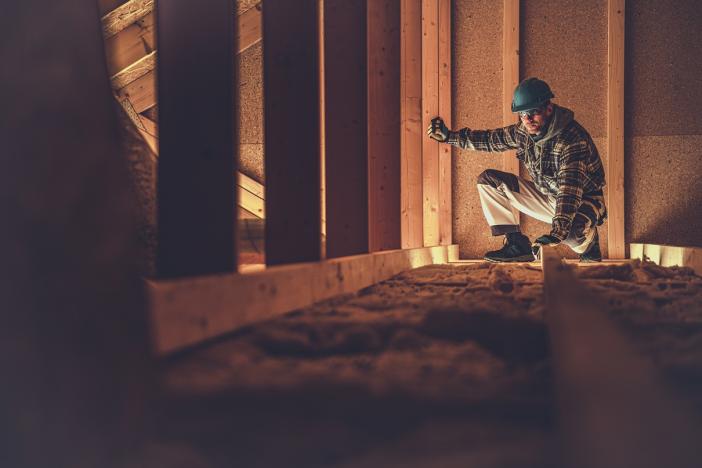
- Add insulation.Attics are the usual weak spot in older Triangle homes. Cellulose (recycled paper) and sheep's wool are greener alternatives to standard fiberglass.
- Switch to LED lighting.LEDs use a fraction of the power of old bulbs and last for years. This is the fastest return on the list.
- Install a smart thermostat.It learns your schedule and stops heating and cooling an empty house. Energy monitors go a step further and show you exactly where the power goes.
The bigger-ticket upgrades
Windows and doors are the next layer. Double- or triple-pane windows slow heat loss in winter and heat gain in summer, and fiberglass or steel doors insulate better than solid wood. Clients across Raleigh-Durham tell me the comfort difference is obvious the first season.
An efficient HVAC system matters more here than almost anywhere, given how hard it runs. A heat pump paired with a heat-pump water heater is one of the strongest efficiency plays for our climate. If you want to go further, solar and geothermal are real options in North Carolina, though both carry a larger upfront cost and a longer payback.
Spend your first dollar on air sealing, not on the flashy upgrade. Comfort and savings both start there.
Save water without noticing it
Water upgrades are the easiest to live with because you barely feel the change. A water-saving showerhead can cut shower water sharply, and a dual-flush toilet lets you choose a partial flush, saving thousands of gallons a year in a typical household.
If you're doing a deeper renovation, a greywater system reuses sink and shower water for irrigation, and rainwater harvesting captures roof runoff for the yard. Both take more plumbing work, so they make the most sense when walls are already open.
Thinking about selling? I’ll tell you what your property is really worth — no obligation.
Get My Free Home EvaluationChoose healthier, lower-impact materials
Material choices affect both the planet and the air inside your house. I'll keep general product selection brief here and point you back to the broader remodel guide for the full picture, but a few options are worth calling out for their sustainability payoff.
Greener materials to consider
- Reclaimed wood for floors, islands, and accents
- Recycled glass or metal countertops
- Bamboo and cork flooring (both rapidly renewable)
- Recycled-content carpet and denim insulation
Watch the finishes
- Low-VOC or zero-VOC paints for cleaner air
- Water-based sealants over solvent-based
- Natural oils and waxes (linseed, beeswax) on wood
- Milk, clay, or plant-based paints for a non-toxic option
VOCs, or volatile organic compounds, off-gas from many conventional paints and finishes and hurt indoor air quality. That matters in the Triangle, where homes stay sealed and air-conditioned for much of the year. Low-VOC and zero-VOC products cost about the same and are simply the better call.
Cut the waste the project creates
A renovation generates a lot of debris, and much of it doesn't have to hit the landfill. Deconstruction, carefully taking a space apart to salvage materials, takes longer than a quick demolition but keeps usable items in circulation and can save you money on materials you reuse.
Around the Triangle, several organizations accept donated building materials, and some local recycling facilities handle construction waste like concrete, metal, and wood. Ask your contractor to plan for salvage and recycling before demo day, not after.
Certifications and what pays you back
Two labels come up often. LEED is a broad green-building standard covering energy, water, materials, and indoor air quality. Energy Star, run by the EPA and Department of Energy, focuses on energy efficiency and is usually simpler and cheaper to earn on a home. An Energy Star certified home is independently verified, which can be a selling point later.
On the money side, efficient upgrades lower your utility bills month after month, and as a Realtor I can tell you Triangle buyers increasingly notice features like efficient windows, solar, and smart systems. Federal tax credits and utility rebates exist for certain upgrades, but these programs change, so confirm current federal and utility programs before you budget around them. I'm a Realtor, not a CPA or tax advisor, so check any credit with a licensed professional.
You don't have to go green all at once. Pick the upgrade that fits this project, then build from there.
Thinking about selling? I’ll tell you what your property is really worth — no obligation.
Get My Free Home EvaluationBefore you swing a hammer: permits
Some of the bigger eco upgrades, HVAC changes, solar, electrical, and plumbing work, need permits and inspections. Getting that right protects you at resale. See NC permit requirements before you start the work that needs sign-off.
Frequently Asked Questions
If you're planning a green renovation anywhere in the Triangle and want a straight read on which upgrades will pay you back, reach out to my team and I. We'll help you sequence the work so it fits your home, your budget, and your resale plans.
Thinking about selling? I’ll tell you what your property is really worth — no obligation.
Get My Free Home Evaluation