Thinking about selling? I’ll tell you what your property is really worth — no obligation.
Get My Free Home EvaluationIf you own a home in the Triangle with a crawl space under it, this page is for you. After 18 years selling homes around Raleigh, Durham, Chapel Hill, and Cary, I've walked through hundreds of crawl spaces, and the difference between a sealed one and a wide-open vented one is something you can feel the moment you step inside the house.
Here I'll walk you through what sealing (or encapsulating) a crawl space actually means, why it matters so much in our humid North Carolina climate, what the work involves, what it tends to cost, and how it holds up over time.
The 30-second version
- Sealing a crawl space closes it off from outside air and ground moisture with a vapor barrier, air sealing, insulation, and humidity control.
- Our humid climate is exactly why it pays off here: it fights mold, wood rot, pests, and clammy floors.
- A lot of the air you breathe upstairs starts in the crawl space, so a damp one becomes an indoor-air problem.
- Expect a wide cost range depending on size, condition, and materials; get a professional assessment first.
- It's a live-in-it upgrade, not a must-do before selling, though buyers here do notice it.
What a sealed crawl space actually is
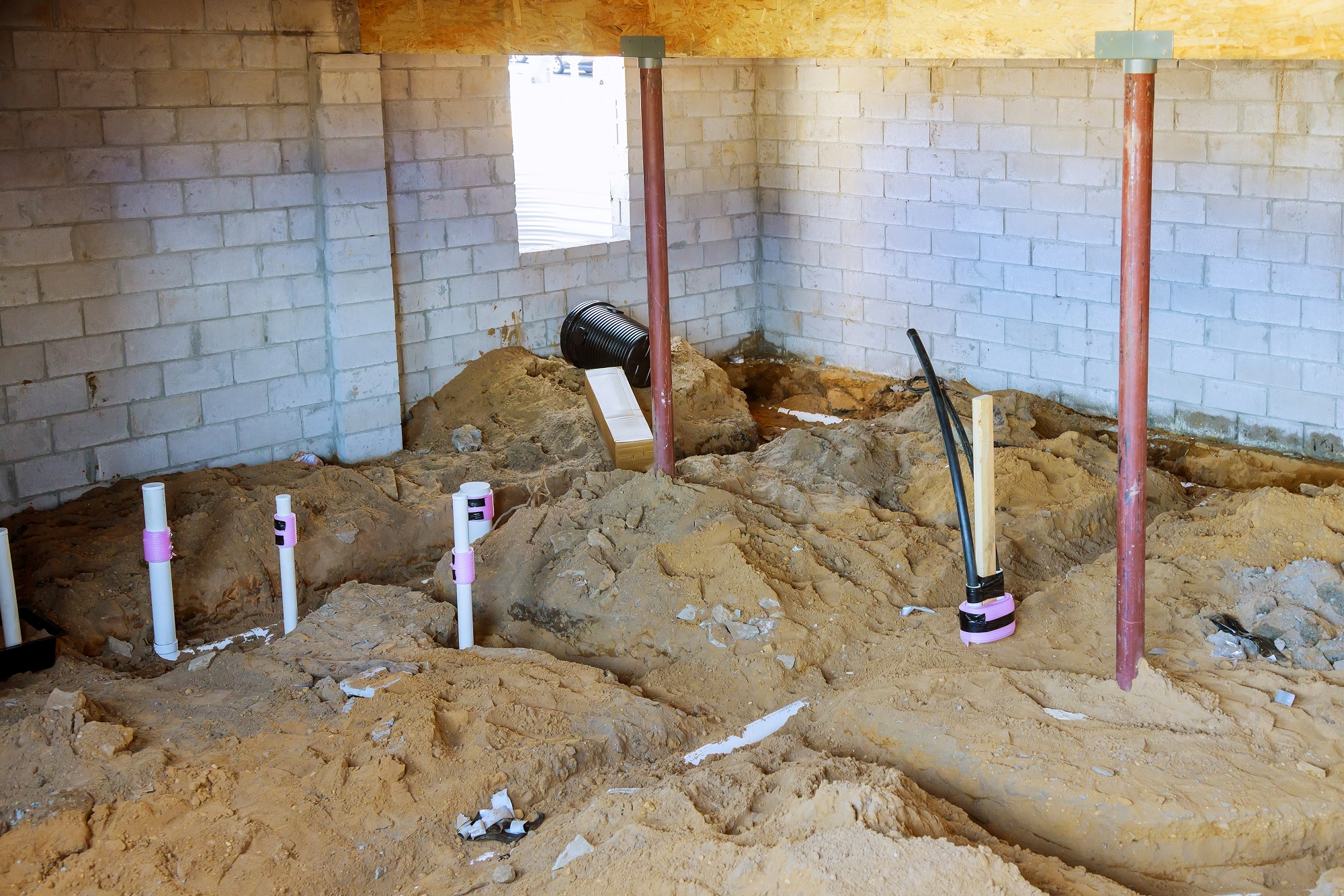
A crawl space is the shallow, unfinished gap beneath your home that gives access to plumbing, wiring, and heating and cooling equipment. For decades, builders put vents in the foundation walls to let outside air move through. Building science has since shown that in a humid climate, those open vents often invite in the very moisture you don't want.
Sealing, sometimes called encapsulation, flips that idea. Instead of breathing outside air, the crawl space gets closed off and pulled inside your home's thermal envelope: a heavy vapor barrier covers the ground, vents and gaps are sealed, insulation goes on the walls, and a dehumidifier or a little conditioned air keeps it dry.
The goal is simple: keep the ground's moisture and the summer's soggy air out from under your floors.
Why it matters so much in North Carolina
Our summers are long, warm, and wet. That combination is hard on a vented crawl space: humid outside air hits the cooler surfaces under your floor and condenses, feeding a cycle of dampness. Here's where that shows up:
- Indoor air quality. A large share of the air you breathe upstairs is drawn up from the crawl space. Mold, mildew, and allergens that thrive in a damp crawl space ride that air right into your living room.
- Energy loss. An open, uninsulated crawl space bleeds heat in winter and lets cool air escape in summer, so your system runs harder to keep up.
- Structural health. Persistent moisture leads to wood rot and warping, and it rolls out a welcome mat for termites and rodents.
- Floor comfort. Cold, clammy floors over an untreated crawl space are one of the most common complaints I hear from homeowners here.
Sealing addresses the root cause rather than the symptoms, which is why it's such a natural fit for Triangle homes.
What sealing is and isn't
What sealing is
- A moisture and air-quality upgrade for the whole house
- A way to protect the wood structure over your foundation
- A comfort improvement you'll feel on the floors above
- A long-term play for owners staying put several years
What it isn't
- A required repair before you list and sell
- A fix for a crawl space that already has active leaks or mold (deal with those first)
- A set-it-and-forget-it install with zero upkeep
- A guaranteed dollar-for-dollar payback at resale
I'm a Realtor, not a contractor or building engineer, so treat this as guidance and confirm the specifics for your home with a licensed crawl-space professional.
Thinking about selling? I’ll tell you what your property is really worth — no obligation.
Get My Free Home EvaluationHow the work gets done
A quality encapsulation follows a clear order. Skipping the early steps is how people end up trapping problems inside a sealed space.
- Inspect.A pro checks for water intrusion, standing moisture, mold growth, and any structural damage before touching a thing.
- Remediate.Existing issues get fixed first. Sealing over active moisture or mold just locks the trouble in.
- Lay the vapor barrier.Heavy polyethylene sheeting covers the ground and runs up the walls to block moisture rising from the soil.
- Air seal and insulate.Vents, gaps, and cracks are sealed off, and the walls get insulation such as spray foam or fiberglass batts for temperature control.
- Manage humidity.A dedicated dehumidifier, a small exhaust setup, or a bit of conditioned air keeps the sealed space dry year-round.
That last step matters more here than almost anywhere. A sealed space still needs a way to stay dry, and in our climate a dehumidifier usually does the heavy lifting. If your equipment lives down there, sealing changes how that system interacts with the space, which is worth understanding alongside how it ties into your HVAC system and the ductwork that runs through the crawl space, since sealed ducts in a dry, sealed space lose far less conditioned air.
Cost and value
Cost swings widely, and I won't pin it to a single number because it depends heavily on your home. The big drivers are:
- Size. A larger footprint means more barrier, more insulation, and more labor.
- Condition. Mold remediation, drainage fixes, or structural repairs add cost before sealing even starts.
- Materials. Better vapor barriers and insulation cost more up front but tend to perform and last longer.
On the value side, homeowners often point to lower energy bills over time and a more comfortable, healthier house day to day. If you're weighing this against other projects, it sits comfortably alongside other efficiency upgrades that pay you back through lower utility use rather than a big resale premium. Any specific savings or payback figures you hear should be confirmed for your own home with a contractor and your energy provider, since results vary a lot house to house.
Maintenance and long-term care
A sealed crawl space isn't maintenance-free, but the upkeep is light once it's done right.
- Inspect yearly. A quick annual look catches small issues before they grow.
- Watch the humidity. Keep an eye on moisture levels and make sure the dehumidifier is keeping the space dry.
- Service the equipment. Any dehumidifier or ventilation gear needs routine servicing to keep working.
- Stay ready for weather. Even a well-sealed space can see water during extreme storms, so know where your drainage goes.
Thinking about selling? I’ll tell you what your property is really worth — no obligation.
Get My Free Home EvaluationIs sealing right for your home?
From where I sit, this is a strong upgrade for owners who plan to stay several years and want a drier, more comfortable, healthier home. It's most compelling if you're already fighting moisture, musty smells, or cold floors. If you're about to sell, it's a nice feature to mention but rarely something you need to do first.
In our market, a clean, sealed crawl space can set a home apart for buyers who've learned to look under the house, and it signals an owner who took care of the place. Whether the math works for you comes down to how long you'll live there and what shape your crawl space is in today.
Frequently Asked Questions
If you're weighing a crawl-space project and want a straight read on how it fits your plans for the home, reach out. My team and I will follow up, point you toward trusted local contractors, and share what we're seeing on how these upgrades land with Triangle buyers.
Thinking about selling? I’ll tell you what your property is really worth — no obligation.
Get My Free Home Evaluation