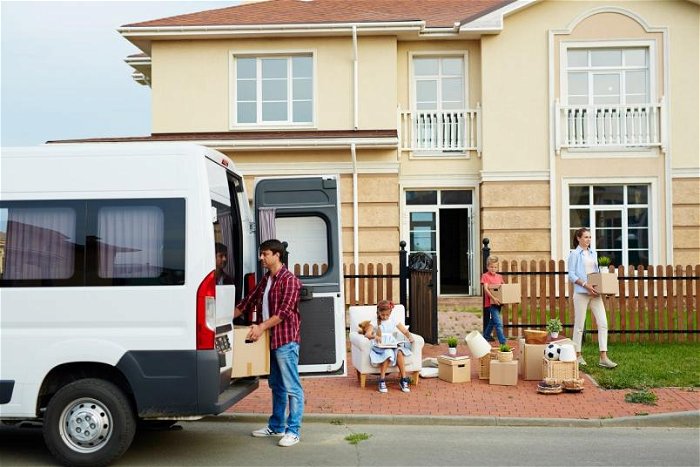
Moving to Raleigh-Durham? I’ll walk you through neighborhoods, timing, and next steps.
Book My Relocation Strategy CallPeople ask me what it is like to actually live in the Triangle, not visit it. After 18 years selling homes across Raleigh, Durham, Cary, and Chapel Hill, here is the honest answer: you get a big-city job market wrapped around small-town Saturdays. A Carolina Hurricanes game on Thursday, a farmers market on Sunday morning, and a state park twenty minutes from your driveway in between.
The region runs on three research universities — Duke in Durham, UNC in Chapel Hill, and NC State in Raleigh. That trio is why the tech and biopharma companies keep planting flags here, and why the person pouring your coffee might have a PhD. Below is the Triangle the way I show it to buyers who are moving in cold.
The 30-second version
- Three tier-1 universities, one region. Duke, UNC-Chapel Hill, and NC State form the Research Triangle — the reason the tech and biopharma jobs keep landing here.
- Each city has its own flavor. Raleigh is the capital and the museums, Durham is barbecue and the Bulls, Chapel Hill is the college town, Cary and its neighbors are the family suburbs.
- Research Triangle Park pulls the paychecks. More than 250 companies — IBM, Cisco, SAS, Lenovo, GSK, Biogen — sit inside RTP and move people here year-round.
- Over 100 miles of greenway. You can bike from a downtown brewery to a state park without touching a highway.
The Four Cities, and What Each One Is Really About
Newcomers treat the Triangle like one place. It is not. The four anchor cities each pull a different kind of person, and knowing the difference saves you months of driving the wrong neighborhoods.
| City | What defines it | Go here for |
|---|---|---|
| Raleigh (City of Oaks) | State capital, museums, historic Oakwood | NC Museum of Art, PNC Arena, Red Hat Amphitheater, JC Raulston Arboretum |
| Durham (City of Medicine) | Duke University, barbecue, breweries | Durham Bulls, DPAC, American Tobacco District, Duke Gardens |
| Chapel Hill | College town built around UNC | Franklin Street, Cat’s Cradle, Ackland Art Museum, Morehead Planetarium |
| Cary and neighbors | Family suburbs, low crime, near RTP | Koka Booth Amphitheater, Bond Park, Waverly Place, Jordan Lake |
Things to Do in Raleigh
Raleigh carries the capital-city weight without the capital-city stiffness. A month of weekends barely covers it:
- Tour the North Carolina State Capitol and its museum, then walk the Victorian streets of historic Oakwood.
- The North Carolina Museum of Natural Sciences — four floors of interactive habitats and live exhibits — is the best free afternoon in the state, and the North Carolina Museum of Art runs world-class exhibitions with an outdoor amphitheater and trail network behind it.
- Catch a Carolina Hurricanes game at PNC Arena, a summer concert at the Red Hat Amphitheater downtown, or a touring show at the Duke Energy Center for the Performing Arts — home to Raleigh Memorial Auditorium and Meymandi Concert Hall.
- Take kids to the Marbles Kids Museum; take yourself to the JC Raulston Arboretum or the Raleigh City Farmers Market for locally-sourced everything.
- Walk, run, or bike the Capital Area Greenway — the trail system threads through the city’s parks — and when you want real woods, William B. Umstead State Park sits right between Raleigh and Cary.
Things to Do in Durham
Durham is the region’s cool older sibling. Start on the Duke campus: the Sarah P. Duke Gardens run 55 landscaped acres, and the Duke Lemur Center is the largest sanctuary for rare primates in the world. Catch the Durham Bulls at the Athletic Park, a Broadway tour at the Durham Performing Arts Center, then wander the American Tobacco Historic District, where the old tobacco warehouses now hold restaurants, offices, and beer.
The food is the point in Durham. Serious barbecue, the ramen at Dashi, and a brewery bench as deep as any city its size — Fullsteam, Ponysaurus, Bull City Burger and Brewery, Bull City Ciderworks. The Museum of Life and Science buys you a full day with kids, dinosaurs trail included.
Things to Do in Chapel Hill
Chapel Hill is UNC and everything that orbits it. Walk Franklin Street for the shops and restaurants, cheer the Tar Heels at the Dean Smith Center or Kenan Memorial Stadium, and catch live music at Cat’s Cradle — one of the oldest independent venues in the country. The Morehead Planetarium (where early astronauts trained), the Ackland Art Museum, the North Carolina Botanical Garden, and the Coker Arboretum fill the quieter afternoons. Eat comfort food at Mama Dip’s Kitchen, get handmade ice cream at Maple View Farm, and finish with a cocktail at The Crunkleton.
Things to Do in Cary, Apex, Holly Springs, and Morrisville
This is where most of my family buyers land. Cary blends urban and suburban with low crime; Apex keeps winning “best place to live” lists and growing to match; Morrisville sits at the doorstep of Research Triangle Park.
- Fred G. Bond Metro Park and Hemlock Bluffs Nature Preserve (a rare stand of eastern hemlocks) anchor Cary’s outdoors; Koka Booth Amphitheater handles the summer concerts.
- Jordan Lake State Recreation Area is the region’s water — fishing, kayaking, swimming beaches, campgrounds.
- iFLY runs indoor skydiving in Morrisville; Bond Brothers and Fortnight pour Cary’s local beer; Apex’s Halle Cultural Arts Center and historic downtown along old U.S. 1 give it a main street most suburbs never get.
Beyond the Anchor Cities
The Triangle functions like one enormous, well-run suburb, and the outer towns each have their own pull:
North and east: Wake Forest (Joyner Park, the Renaissance Centre, and Falls Lake State Recreation Area for boating and camping) · Zebulon (Five County Stadium, home of the Carolina Mudcats, plus a walkable historic downtown) · Rolesville (Pioneer Museum, Heritage Golf Club) · Youngsville (hot-air balloon rides with Balloons Over Carolina).
South and west: Holly Springs (Bass Lake Park, Sugg Farm, a strong farmers market) · Apex and Fuquay-Varina (two of the best historic downtowns in the region) · Hillsborough (historic sites and a serious food scene a short drive west) · Pittsboro (day-trip country — sample the Carolina Brewery on the way to Jordan Lake).
The Culture: Southern Traditions With a Cosmopolitan Twist
The Triangle’s culture is what happens when southern hospitality absorbs three universities’ worth of transplants.
Festivals run all year — the International Festival of Raleigh, Hopscotch Music Festival, Artsplosure, Durham’s Art of Cool, and the World Beer Festival, with dozens more across the calendar.
Sports culture here has two layers. The collegiate layer is the famous one — Duke, UNC, and NC State sustain one of the fiercest three-way rivalries in American sports, and the whole region picks a side. The professional layer keeps growing around it: the Carolina Hurricanes, the Durham Bulls, North Carolina FC, the Carolina Mudcats, and USA Baseball’s national training complex.
Golfers are covered — including the Arnold Palmer Signature Course at Brier Creek and the Tom Fazio-designed course at Governors Club in Chapel Hill.
And the food scene runs the full spread — from traditional Durham barbecue to farm-to-table Raleigh kitchens, with James Beard nominations landing here regularly enough that nobody is surprised anymore.
Moving to Raleigh-Durham? I’ll walk you through neighborhoods, timing, and next steps.
Book My Relocation Strategy CallWhere the Jobs Are
The paychecks concentrate in Research Triangle Park — more than 250 research and technology companies on one campus between the cities. When a client reads me their offer letter, odds are the address is in RTP.
The names that relocate people here read like a stock ticker:
- Technology: IBM, Cisco Systems, Red Hat, Lenovo, NetApp, Dell Technologies, SAS Institute (headquartered in Cary)
- Biopharma and science: GlaxoSmithKline, Biogen, IQVIA, Syngenta, BASF, RTI International
- Finance: Fidelity Investments, First Citizens Bancshares, Wells Fargo, Credit Suisse, Deutsche Bank, MetLife
- And the rest of the bench: Booz Allen Hamilton, Caterpillar, Verizon, Xerox
Each of these draws on the same advantage: three tier-1 research universities producing talent faster than any one employer can hire it. That is also why the job market stays competitive — the talent pool is deep on both sides of the interview table.
The Weather, the Cost, and the Honest Trade-Offs
The climate is the quiet reason people stay. Mild winters, a real spring and fall, and warm summers keep the greenways and golf courses busy nearly year-round. The honest version: summers run hot and humid, and winter throws the occasional ice storm — keep gear for both and you will barely notice.
The cost of living sits a touch above the national average and far under the coastal metros people arrive from. The trade-offs I make sure every transplant hears before they commit:
- Low crime in the family suburbs — Cary and Apex consistently rank among the safest places their size.
- Moderate cost of living — above the national average, well below San Francisco, New York, or Boston.
- High job-market competition — the university pipeline cuts both ways, so network before you land, not after.
- Thin public transit outside the city cores — most of the Triangle drives, so factor a car (or two) into the math.
How I Get Transplant Buyers Settled
When a client flies in cold, we do not start with listings. We start with the region. This is the order that works, built from 18 years of doing exactly this:
- Drive the land first. Before we tour a single home, I drive you through the areas — the shops, the coffee spots, the schools — so the map turns into a real place in your head.
- Pick your regular spots. Find the coffee, dining, and nightlife you like most and become a regular. Get to know the staff and the other regulars. That is how a new city starts to feel like yours.
- Say yes to new things. Take the invitation even when it is not normally your thing. The Triangle rewards people who show up.
- Be intentional about friends. Adult friendships take effort. Give this city a chance to know you — at work, at your regular hangout, wherever people gather.
- Play tourist in your own town. Chase the hole-in-the-wall gems the way you would on vacation. Everyone starts as a fish out of water; keep exploring long after you have settled in.
Moving to Raleigh-Durham? I’ll walk you through neighborhoods, timing, and next steps.
Book My Relocation Strategy CallFrequently Asked Questions About Living in the Triangle
What is it like to live in the Raleigh-Durham Triangle?
Is the Triangle one city or several?
What big companies are in the Raleigh-Durham area?
Is Raleigh-Durham expensive to live in?
What are the downsides of living in the Triangle?
What is there to do in the Triangle on weekends?
Ready to See It in Person?
Reading about the Triangle is one thing. Driving it with someone who has spent 18 years matching people to the right corner of it is another. When my relocation clients land, the first day is never about houses — it is about finding your Triangle: the commute you can live with, the downtown you’d actually walk, the weekend that fits your family.
Talk to our team and we will build that first drive around you.
Tim M. Clarke is a licensed North Carolina real estate broker, NCREC license #261118, and President of the Tim M. Clarke Team with the Jim Allen Group at Coldwell Banker HPW, serving the Triangle since 2008.
Related Resources
- Beaches and Mountains Within Reach
- Why Move to Raleigh-Durham? A Relocation Overview
- Why Buyers Fleeing Disasters Relocate to the Triangle
- Buying vs. Renting in the Triangle
- Festivals in Raleigh-Durham
Moving to Raleigh-Durham? I’ll walk you through neighborhoods, timing, and next steps.
Book My Relocation Strategy Call