Moving to Raleigh-Durham? I’ll walk you through neighborhoods, timing, and next steps.
Book My Relocation Strategy CallKEY TAKEAWAYS
- The Triangle sits inland in the Piedmont, roughly 150 miles from the coast, which blunts the direct force of hurricanes and puts it far above coastal flooding.
- Four mild seasons, no fire season, and no annual evacuation drill—the day-to-day risk profile is what buyers tell me they came for.
- Home-insurance premiums here run a fraction of what buyers pay in high-risk wildfire and coastal markets, and that gap compounds every year you own.
- Honest caveat: we are not disaster-proof. The Triangle still catches remnants of tropical systems and the occasional winter ice storm.
- The region's central spot between the beach and the mountains is a lifestyle perk, not a risk—you can visit the coast without living in its path.
I'm Tim Clarke, and in 17+ years working the Raleigh-Durham Triangle I've watched the reason people move here quietly shift. It used to be a job or a lower cost of living. More and more, it's safety. Buyers are leaving places where wildfire, drought, hurricane-battered coastlines, punishing cold, or an insurance bill that keeps climbing have made staying feel like a gamble. They land here because the Piedmont plays a different game.
This isn't a scare piece about the place you're leaving. I'm not here to run down anyone's home state. I'm here to make the measured case for why the inland Triangle keeps showing up on the shortlist of people who want to stop bracing for the next event—and to give you the honest caveats too, because no place is truly disaster-proof.
Buyers are trading a home they have to defend for one they can simply live in.
What makes the inland Triangle more resilient
The single biggest factor is geography. The Triangle—Raleigh, Durham, Chapel Hill, Cary, Apex, and the towns around them—sits in the Piedmont, the rolling middle of North Carolina, roughly 150 miles from the Atlantic. That distance matters. Coastal metros take the brunt of storm surge and tidal flooding; by the time weather reaches us inland, it has usually lost its worst punch. We're on higher, drier ground, well away from the coastal floodplains that reshape insurance maps.
Climate is the second factor. The Piedmont runs four distinct but mild seasons. Summers are warm without the extended extreme heat and drought that dry a landscape into fuel. Winters are gentle, with snow that shows up occasionally and melts fast. There is no fire season here. There is no annual ritual of packing a go-bag and watching an evacuation map. For someone who has lived through that, the absence of it is the whole point.
I've watched families who spent years on edge during fire or hurricane seasons slowly relax once they got here. Not having to worry about evacuation routes or air-quality warnings is the kind of relief you feel in your shoulders. That's the resilience buyers are actually buying—a lower baseline of risk, day in and day out.
The insurance-cost angle nobody warns you about
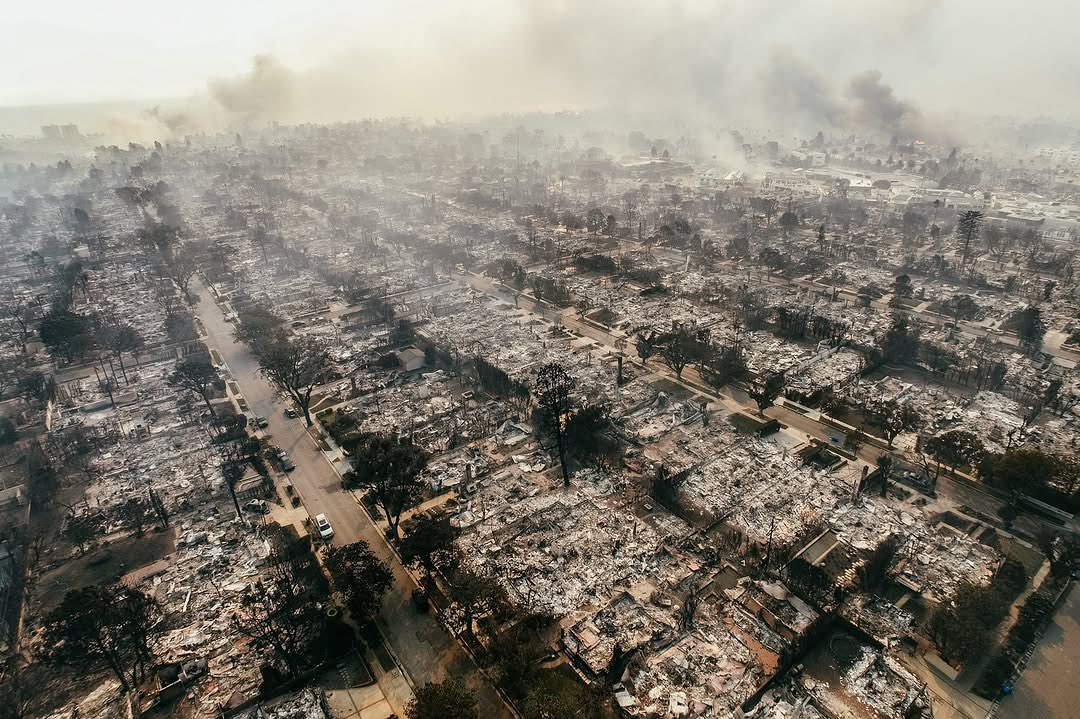
Here is the part that catches transplants off guard, in a good way. When you leave a high-risk market, you don't just leave the risk—you leave the premium that goes with it. In wildfire-prone regions and along exposed coasts, homeowners insurance has climbed hard, some carriers have pulled out entirely, and buyers get pushed into expensive last-resort or specialty coverage. That line item can run into many thousands of dollars a year, and in some markets it's the difference between qualifying for a mortgage and not.
In the inland Triangle, that same coverage typically costs a fraction of what buyers were paying before. Insurers price our risk lower because the risk is lower—no fire exposure, no coastal surge, higher ground. That gap doesn't just help at closing; it compounds. Every year you own here, the money you're not sending to an insurer is money staying in your pocket. When I run the real cost-of-ownership numbers with relocating buyers, the insurance line is often the most eye-opening one on the page.
HIGH-RISK MARKET YOU'RE LEAVING
- Premiums rising year over year, sometimes sharply
- Carriers non-renewing or exiting the market
- Buyers pushed into last-resort or specialty pools
- Insurance can make or break loan qualification
THE INLAND TRIANGLE
- Premiums a fraction of high-risk-market cost
- Competitive carrier market, more choices
- Standard coverage, priced to lower risk
- Predictable insurance line in your budget
The honest caveats: what we do see
I won't sell you a fairy tale. No place in this country is disaster-proof, and the Triangle isn't either. Being straight about this is how I've built trust for 18 years, so here's the real picture.
We do catch the remnants of tropical systems. Hurricanes that make landfall on the coast can push inland as they weaken, and when they reach the Piedmont they arrive mostly as heavy rain and wind rather than storm surge. That can mean localized flooding in low-lying spots and downed trees, so lot drainage, tree placement, and knowing whether a property sits in a flood zone all matter—questions I walk every buyer through.
The other one is winter weather. Every few years the Triangle gets an ice storm rather than a big snow. Ice on power lines can knock out electricity, and the region doesn't run on the heavy snow-clearing fleets of colder states, so a serious event slows things down for a day or two. It's an inconvenience, not the kind of recurring, home-threatening hazard people are moving away from. When I lay these two caveats next to what buyers are leaving, the math still lands firmly on the Triangle's side—but you should hear it honestly before you decide.
Moving to Raleigh-Durham? I’ll walk you through neighborhoods, timing, and next steps.
Book My Relocation Strategy CallCentral location: the beach and mountains without the exposure
One of my favorite things to tell relocating buyers is that moving inland doesn't mean giving up the coast or the peaks. The Triangle sits almost exactly in the middle of North Carolina. The Atlantic beaches are a manageable drive east, and the Appalachian Mountains are a few hours west. You get both as weekend destinations while your home stays out of the surge zone and off the ridgelines. I dig into that positioning in detail in my look at the region's central location between the beach and the mountains.
That's the quiet luxury of an inland base. You visit the ocean; you don't insure against it. You hike the mountains; you don't live in the fire-and-flood terrain around them. The Piedmont gives you access to the state's best scenery without inheriting its most exposed places to own a home.
Turning safety into a real home search
Wanting a lower-risk place to live is the start. Turning that into the right house takes a few deliberate steps, and this is where I earn my keep for buyers coming in from out of state.
- Name what you're leaving behind. Wildfire, coastal surge, extreme cold, an insurance market that's turned against you—knowing the specific risk you're escaping sharpens every decision that follows.
- Read the honest caveats first. Understand our two real exposures—tropical remnants and occasional ice—so you're choosing the Triangle with clear eyes, not swapping one surprise for another.
- Screen properties for the local risks that do exist. Flood-zone status, lot drainage, tree placement, and a home built to ride out a short power outage all belong on your checklist.
- Run the true cost of ownership. Fold the lower insurance premium into your budget next to price and taxes—it often changes what you can comfortably afford here.
- Buy smart from a distance. Most of my safety-driven clients start remote, so lean on the process for buying here from out of state to make offers and close without living in the state yet.
- Get the full relocation picture. Safety is one reason of many; see the full case for relocating to the Triangle to weigh jobs, cost of living, and quality of life alongside it.
- Bring your priorities to me early. Tell my team and I what you're running from and what you want next, and we'll fold it into the neighborhoods and homes we put in front of you.
People come to the Triangle for a lot of reasons. But the ones who come for safety tend to settle in the deepest—because they stop bracing and start living. If that's the move you're weighing, my team and I will help you make it with a clear head and honest numbers.
Frequently Asked Questions
Moving to Raleigh-Durham? I’ll walk you through neighborhoods, timing, and next steps.
Book My Relocation Strategy Call